
 Caleb Turner
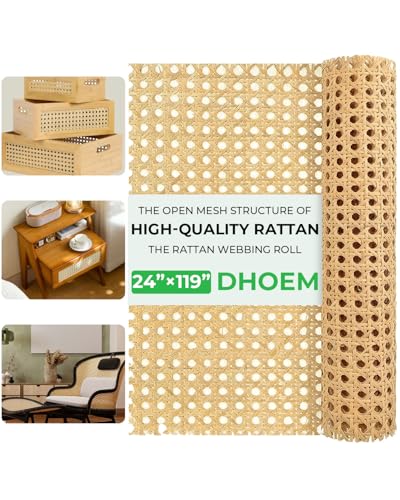
Begin with a thorough cleaning. A soft brush and mild soap mixed with warm water are perfect for removing dirt and grime. Avoid harsh chemicals that can damage the fibers. After cleaning, allow the pieces to dry completely, preferably in a shaded area to prevent sun damage.
For minor damage, use a wood glue or adhesive to reattach any loose strands or sections. Clamp the pieces together until the glue sets, ensuring a tight bond. In cases of significant wear or breaks, consider weaving in new materials that match the original for a seamless repair.


Next, apply a protective sealant designed for plant fibers. This helps preserve the natural color and provides some water resistance. Make sure to check the compatibility of the sealant with the material before application. Regular maintenance, like applying a furniture oil gently to nourish the fibers, keeps them looking fresh.
Finally, find a suitable place for your restored pieces. Keep them out of direct sunlight and fluctuating temperatures to prolong their lifespan. Periodic inspections will help catch any issues before they worsen, allowing you to enjoy your beautifully restored pieces for years to come.
Steps to Refresh Your Wicker Pieces
Begin with a thorough clean of the entire surface. Use a soft brush or a vacuum attachment to remove dust and dirt. For stubborn stains, a mixture of mild soap and warm water can be applied with a cloth. Ensure it’s completely dry before moving forward.
Reweaving Damage
Identify any sections where the weave has become loose or broken. Use a durable material–either new wicker strands or an equivalent synthetic option. Follow these steps:
- Carefully remove damaged sections with scissors.
- Start weaving in new strips, following the original pattern. You may find tutorials helpful for complex designs.
- Secure new strands with a knot or adhesive, allowing it to set completely before use.
Repainting or Staining
If the natural finish has dulled, consider repainting or staining. Use a paint specifically designed for outdoor use if the items are kept outside. Here’s the process:
- Sand the surface lightly to ensure paint adheres well.
- Apply a coat of primer if you’re using paint.
- After drying, apply the paint or stain evenly.
- Allow sufficient drying time between coats, if multiple layers are needed.
Finish with a protective sealant for longevity and shine. This will help keep the surface safe from moisture and wear.
Assessing the Condition of Your Nature-Inspired Seating
Examine every piece closely for signs of deterioration. Look for cracks, fraying fibers, and structural instability. If any part feels loose or wobbly, that’s an area requiring immediate attention. Check for discoloration caused by sunlight or moisture damage; this indicates the need for protective measures.
Inspecting Surface Integrity
Run your fingers along the surface to detect rough spots or splinters, which can hinder comfort and aesthetics. If the finish appears dull or worn, consider options for rejuvenation, including sanding down rough areas before applying a new coat. Be mindful of any existing paint or lacquer layers that might require removal.
Evaluating Structural Stability
Assess connections between components; these joints must be secure to ensure longevity. Gently test each joint for stability. If flexibility is felt, this suggests that reinforcement or replacement might be necessary. Ensure legs and supporting structures are straight and free from any twisted angles.
Choosing the Right Fabric for Recovery
Opt for materials that enhance durability and aesthetic appeal. I recommend outdoor upholstery fabrics for their resistance to fading and moisture. These fabrics are designed to withstand the elements, making them ideal for various environments.
Consider the texture. Smooth finishes are easier to clean but may show wear more quickly. Textured fabrics can hide imperfections better, offering a balance between style and practicality.
Color selection plays a vital role. Light colors may brighten a space, but they can also reveal stains more readily. Darker tones can mask dirt, but be mindful of heat absorption in direct sunlight.
Table below summarizes some recommended fabrics:
| Fabric Type | Key Features | Best Use Cases |
|---|---|---|
| Solution-Dyed Acrylic | UV resistant, water repellent | Patio or garden areas |
| Polyester Blend | Strong, easy to clean | High-traffic indoor areas |
| Cotton Canvas | Soft, breathable | Relaxed indoor settings |
| Linen | Elegant, natural look | Formal rooms |
Evaluate the lifecycle of your choice. Polyester might outlast cotton in wear, while cotton offers a timeless appeal. Weigh these factors against your personal style and functional requirements.
Lastly, ordering swatches will allow you to see how your selected fabric interacts with existing colors and patterns in the room. Checking compatibility with cushions and other décor ensures cohesion in design.
Preparing Rattan Furniture for New Upholstery
Remove old cushioning and fabric carefully with a flathead screwdriver or utility knife. Ensure not to damage the frame during this process.
Next, clean the frame thoroughly. A mixture of mild soap and water works well. Avoid soaking the material; just wipe it down, then dry completely.
Inspecting Framework
Check for any structural damage. Look for loose joints or cracks. Use wood glue or clamps to secure any unstable parts before proceeding with new fabric.
Measuring for New Fabric
Accurately measure the areas needing new upholstery. Use a measuring tape and note down your dimensions. Buy some extra material to ensure you have enough for seams and adjustments.
Techniques for Removing Old Upholstery
Begin with safety; wear protective gloves and eye protection. Use a flathead screwdriver or a utility knife to carefully pry apart the staples holding the fabric. Slide the flathead under the edge of the upholstery and gently lift to create enough space for the tool to pull out the staples.
If the upholstery is particularly stubborn, a staple remover can ease the process. Position the remover around the staple and squeeze to extract it without damaging the underlying padding or structure.
For fabrics with tacks, employ a tack puller. Slide the claw underneath the tack head and leverage it out. In some cases, using pliers can be effective if the tack is particularly resistant.
After removing all fasteners, carefully peel back the upholstery. If it adheres due to dirt or age, a small amount of heat from a hairdryer can loosen the glue without harming the material.
Keep an inventory of how everything is assembled. Taking photographs of each step can be beneficial for reference during reupholstering, ensuring you remember the original layout and attachment methods.
Finally, thoroughly clean the underlying structure after removing the fabric to eliminate dust and residue. This ensures a solid foundation for the new upholstery.
Steps to Reupholster Rattan Furniture
Start by selecting quality materials. Choose high-density foam for cushioning and durable upholstery fabric for a long-lasting finish. I preferred using fabrics suitable for outdoor use, as they resist fading and staining.
Gather Necessary Tools
- Staple gun and staples
- Scissors
- Screwdriver
- Measuring tape
- Pliers
- Upholstery adhesive (if needed)
Measuring and Cutting Fabric
Measure each section of the seat, back, and arms. Add a few inches to each measurement for folding and stapling. Cut the fabric accordingly, ensuring patterns align if you choose printed materials.
Lay the fabric on the surface and position the foam properly. Secure the fabric on the back of the piece with your staple gun, making sure it’s taut but not overly stretched. Start from the center and work towards the edges for an even finish. Fold corners neatly and secure them to avoid any bulging.
After attaching the fabric, reassemble any parts you had disassembled. Double-check that everything fits snugly and looks cohesive.
Lastly, inspect the work. If any areas seem loose or uneven, adjust as necessary. This attention to detail ensures a polished and professional final appearance.
Finishing Touches for a Professional Look
After reupholstering, I always focus on details that elevate the outcome. Using a quality spray adhesive can ensure that edges are neat and secure, preventing any bubbling or lifting of the fabric. I find it effective to trim excess material close to the staples, giving a clean and polished look.
Final Assembly and Inspection
Assemble all parts carefully, ensuring a snug fit. I check for any gaps or misalignment in the structure. A light sanding of wood surfaces before applying a protective finish can enhance the final aesthetic. It’s critical to use a suitable wood conditioner if staining is part of the process, as this promotes an even tone.
Protective Coating
I often apply a clear sealant to wooden parts once they are stained or left natural. This adds a layer of protection against moisture and wear. Additionally, a fabric protector spray can be beneficial for the upholstery; it repels dirt and spills, maintaining that fresh look. Regular upkeep and occasional reapplication of these treatments extend the durability of the entire piece.
By focusing on these finishing touches, the piece undeniably stands out, embodying a refined and professional appearance.
Maintaining Recovered Rattan Furniture
To ensure longevity, I always clean the newly upholstered pieces with a damp cloth and mild soap. This prevents dust and dirt buildup, which can degrade the material over time.
Regular vacuuming with an upholstery attachment helps to remove debris from the intricacies of the structure. I find it effective to do this at least once a week.
I avoid placing these items in direct sunlight to prevent fading and weakening of the fabric. If possible, using window treatments helps protect against UV rays.
Occasionally, I assess the integrity of the weave and materials. If I notice any signs of wear or loosening, I address these immediately with appropriate repairs or reinforcements.
For spills, I tend to act quickly. I blot instead of rubbing to lift the stain without spreading it. Using fabric-specific stain removers can be beneficial, but I always test them on a hidden area first.
I consider reapplying a fabric protector every few months to maintain the textile’s resistance to stains and moisture. This also helps to keep the colors vibrant.
Lastly, I rotate cushions and seating areas periodically, which ensures even wear and prolongs the life of all components. This small effort pays off with extended use and satisfaction.


