
 Caleb Turner

Always check the product dimensions before making a purchase to ensure a proper fit in your space. The specifications usually include width, depth, and height measurements, which are crucial for assessing the item’s compatibility with your existing décor.
Look closely at the labeling. IKEA provides dimensions in both centimeters and inches, so familiarize yourself with these units. For example, a piece listed as 80 cm wide translates to approximately 31.5 inches. This information helps to visualize the scale of the product effectively.
Account for additional elements. Many items, especially cabinets or shelving units, may have varying heights that can affect the overall look when assembled. Make sure to pay attention to these details to avoid surprises during setup. Be proactive and measure your own space to align with the stated dimensions.


Understanding the Measurement Units Used in IKEA Listings
Familiarize yourself with the common units of measurement that appear in product descriptions, which typically include centimeters (cm) and inches. Knowing these will help you accurately envision the size of an item.
- Centimeters: Most listings feature dimensions in centimeters. To convert to inches, remember that 1 inch equals 2.54 centimeters. For example, a 60 cm width is approximately 23.6 inches.
- Inches: When listed in inches, verify that you are considering the dimensions in your preferred unit. If a piece is 30 inches, it translates to about 76.2 cm.
Always check the format used for height, width, and depth. Dimensions are usually presented in a specific order:
- Width
- Depth
- Height
In some cases, product specifications may include additional measurements like seat height or shelf spacing, which are also valuable for a complete understanding of the item’s fit in your space.
Pay attention to notes that clarify whether measurements refer to maximum dimensions or if they are adjustable. For instance, extendable tables may list both collapsed and expanded sizes, which can influence your purchasing decision.
Additionally, check for any included accessories or components that might alter the total space required. Some items may require more room once assembled, such as chairs with reclining features.
Understanding these units and formats will enhance your ability to choose items that suit your needs and fit seamlessly into your environment.
Interpreting Length, Width, and Height Specifications
Focus on the dimensions provided in product descriptions. Length indicates the longest side, typically horizontal, while width refers to the shorter horizontal measurement. Height measures the vertical extent. Always verify how these dimensions relate to your space.
Practical Tips for Measurements
Keep a tape measure handy; this allows for quick verification against your existing area. If a listing shows dimensions with a decimal point, understand that these are often in centimeters. Convert to inches if needed to visualize better based on your rooms.
Understanding the Arrangement
Note the order of dimensions; they usually follow a standard format: length, width, height. If unsure, check the product image. Orientation can affect fit, so consider the configuration of your space before making a decision.
Lastly, take into account additional factors like legroom or clearance when placing items to ensure they complement rather than obstruct your layout.
Using 3D Models to Visualize Dimensions
3D models offer an engaging way to grasp the spatial properties of items. I recommend utilizing software or apps that let you manipulate these virtual designs. This allows for adjusting perspectives to assess how a piece fits within your space.
Select tools that provide realistic rendering and accurate proportions. Some applications allow you to input actual measurements, which can enhance precision when visualizing. Playing with color and texture options can also help in envisioning how the piece coordinates with your decor.
Many platforms offer a library of pre-designed setups. I find it useful to import a virtual version of my room and place potential choices within it, allowing for side-by-side comparisons of dimensions. This method aids in identifying any potential spatial conflicts before making a purchase.
Additionally, employing augmented reality features on mobile devices can be particularly beneficial. These can project the selected item into your physical environment, giving a real-time perspective on scale and fit. This immediacy can greatly influence choices, ensuring that the dimensions will work harmoniously with existing elements.
Determining the Space Required for Assembly
Prior to commencing assembly, I assess the area needed by measuring not only the final footprint of the piece but also accounting for additional space for tools and movement. A practical approach is to allocate at least 3 feet (about 1 meter) around the perimeter for ease of access.
Clearance for Tools and Components
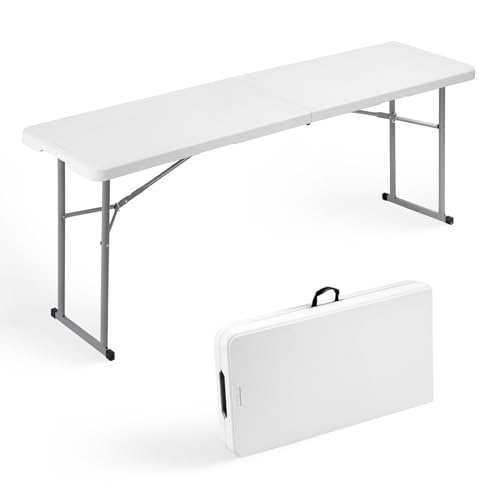
I include space for extracting parts from packaging and arranging them for access during assembly. A folding table can be useful here–set it up nearby for organizing screws, panels, and assembly instructions. Remember to keep it clutter-free; this helps prevent misplacing small items.
Vertical Space Considerations
When assembling taller items, I ensure there is adequate vertical clearance. This may involve measuring ceiling height, especially in rooms with hanging fixtures or beams. If the piece requires lifting or installation on a wall, extra height is crucial for safety and effectiveness.
For larger assemblies, it’s wise to measure the space after installation as well. This ensures that everything fits as planned and that there’s sufficient room for future movement or adjustments.
Measuring Your Space Before Shopping for Furniture
Begin by taking precise measurements of the area where the items will be positioned. Utilize a tape measure to determine the length and width of the room, noting any architectural features, such as windows, doors, and heating vents that could influence how I arrange items.
To ensure a comfortable flow within the space, I recommend allowing for pathways of at least 24 inches wide. This width permits easy movement and helps maintain an open environment. Additionally, consider vertical space; if the ceilings are high, tall storage solutions or shelving can be advantageous.
Once I have the dimensions, I create a simple floor plan. This can be a quick sketch on paper or a digital layout. I place markers that represent the dimensions of potential purchases. This preview enables me to visualize how various pieces will fit together and helps avoid errors during my shopping experience.
After visualizing, it’s wise to check the scale of larger items in relation to surrounding elements. For instance, pairing a large sectional sofa with a small coffee table may appear mismatched. I consider proportions to create an aesthetically pleasing arrangement.
Finally, remember to measure entry points like doorways and staircases to ensure that my chosen selections can be easily transported into the space. Clear planning and measuring can lead to a more satisfying shopping experience and happier living arrangements.
Identifying the Purpose of Furniture Dimensions in Daily Use
Understanding the significance of size specifications transforms my approach to selecting items that fit seamlessly into my living space. Each dimension offers clarity on functionality and usability. For instance, a narrow bookshelf allows me to utilize tight corners without overwhelming the area, enhancing both storage and aesthetics.
When considering a seating solution, the depth and height become critical for comfort. I ensure that chairs can accommodate different body types and preferences, which is vital for everyday use, especially in shared areas. Measurements directly influence my choice between a casual lounge chair or a more formal armchair.
Table dimensions dictate how many people I can host during gatherings. A rectangular table with specific length and width ensures I can optimize dining space while considering circulation around it. These figures guide me to select options that don’t encroach on walking paths while maximizing my available area.
I find that dimension ratios contribute significantly to harmony in room design. Tall cabinets can visually elongate a room, making the ceiling appear higher, while lower profiles can create a spacious feel. By comparing proportions, I navigate the balance of my layout effectively.
Safety is another aspect influenced by size. Certain dimensions help ensure stability; for example, a wider base on a tall unit reduces the risk of tipping over. I incorporate this understanding when evaluating products, seeking designs that promote practical safety features.
Lastly, my lifestyle often influences flexibility in using items. Multi-functional pieces with varying dimensions suit my dynamic needs, allowing for easy conversions from workspace to leisure areas. These choices lead to a more adaptable and pleasurable living environment.
Using visual aids for clarity on dimensions
Visual representations significantly enhance the understanding of size and scale. Look for diagrams provided in product listings; they often include detailed visuals that highlight not only the overall shape but also critical dimensions. These illustrations can prevent potential misalignments between your expectations and the actual items.
Utilizing symbols in product listings
Pay attention to the symbols accompanying the measurements. Icons indicating depth, height, and width simplify interpretation. When viewing an item, each dimension typically corresponds with a visual marker in the imagery, making it straightforward to gauge how the piece will fit into your environment.
Exploring assembly illustrations
Assembly guides serve as another resource for understanding spatial relationships. They depict how components fit together, often providing scale references that ensure proper alignment during setup. Observing these may assist in visualizing the final arrangement within your space.
| Visual Aid | Description |
|---|---|
| Diagrams | Provide an outline with specified measurements to illustrate the size of the product. |
| Icons | Symbolic representations indicate key dimensions, making them more accessible to understand. |
| Assembly Guides | Showcase how parts connect, often with scale markings to aid in measurement comprehension. |
By relying on these visual tools, I can make more informed decisions, ensuring the acquired items seamlessly integrate into my living space without last-minute surprises.
Common mistakes when interpreting furniture dimensions
Assuming measurements include the assembly components can lead to misjudgments about fitting items in your space. It’s crucial to check if the given dimensions encompass only the furniture itself or if they account for any protruding elements.
Overlooking the measurement units is another frequent error. Converting between centimeters and inches can be misleading if you’re not familiar with both systems. Always verify which unit is used in the listing before making decisions.
Ignoring the difference between width, depth, and height can result in unexpected challenges during placement. For instance, I often mix up depth and width, which led to fitting issues in tight corners. Always clarify which dimension corresponds to which aspect of the piece.
Taking measurements without considering the surrounding space is a common pitfall. I’ve found that visualizing the area around the item is as important as the item’s dimensions. This ensures an unobstructed flow in the room.
Not accounting for the height of the items is a critical mistake. I once experienced difficulty positioning a bookshelf because I didn’t focus on its height compared to the room’s ceiling. Always measure vertically as well as horizontally.
Lastly, neglecting the description of the layout can lead to miscalculations. Often, dimensions are provided in relation to other components or the intended arrangement. Reviewing how pieces relate to each other helps in comprehending the full scope of size needed.
Tips for Comparing Measurements with Other Brands
Check the units of measurement being used by different manufacturers. While some companies may prefer centimeters, others might use inches, which can create confusion.
Standard Sizes and Dimensions
Recognize the standard dimensions that various brands often adhere to. Here are a few guidelines:
- Standard seat height typically ranges from 17 to 19 inches.
- Average dining table heights hover around 28 to 30 inches.
- Bed sizes are commonly consistent; a queen is usually 60 x 80 inches.
Use of Online Comparison Tools
Utilize comparison websites or apps that allow side-by-side evaluations of different products from multiple brands. This can simplify the process and highlight discrepancies.
Assess the size context; a module from one company may appear larger than similar pieces from another. Always check depth and proportions to ensure compatibility in your space.
For modular options, examine how components fit together. The compatibility of pieces from different manufacturers may vary significantly.
Pay attention to product reviews. They often provide insights on real-world sizing and the practicality of specific items.
Before proceeding with a purchase, make certain to validate all measurements with your environment. This step can prevent future inconveniences.


