Caleb Turner
Choose the right surface for application; smooth, clean, and primed areas yield the best results. Ensure the item is free from dust and grease to promote adhesion. I recommend using a mild detergent solution for cleaning before beginning the application.
Prepare your design properly by printing it onto a transfer medium suitable for the surface. Select high-quality images to prevent pixelation and ensure clarity in the final product. Confirm compatibility with the transfer technique you plan to employ.
Use a spatula or a flat tool to firmly press the transfer onto the desired spot, starting from the center and moving outward to eliminate any air bubbles. This technique helps in achieving a professional finish with minimal imperfections. Allow adequate time for drying and bonding before handling.
When ready, gently peel away the backing to reveal your new decor enhancement. If the transfer doesn’t adhere completely, it’s possible to reposition it with some careful reapplication. A clear sealant can be applied afterward for added durability and protection against wear and tear.
Selecting the Right Transfer Design
I focus on matching the design with the style and color scheme of the item being decorated. For rustic pieces, I opt for floral motifs or vintage illustrations, which harmonize beautifully with natural woods. Contemporary designs benefit from geometric patterns or minimalist artwork, ensuring a balanced appearance.


When choosing a theme, I consider the room’s overall decor. A coastal look often pairs well with beach scenes or nautical elements. For a shabby chic aesthetic, distressed graphics or pastel colors work effectively. Prioritizing designs that resonate with the surrounding environment enhances the cohesiveness of the space.
Scale is also crucial. I choose larger images for wide surfaces to prevent them from getting lost, while smaller designs suit narrower areas. It’s essential to visualize how the patterns interact with the existing textures and finishes, ensuring they do not clash.
I also experiment with layered effects. Combining multiple designs can create depth but requires a careful approach to maintain harmony. Using a transparent transfer allows for subtle layering without overwhelming the base piece.
Ultimately, personal taste drives my choices. I tend to select images that evoke a memory or emotion. This connection transforms the decor into something more meaningful and unique.
Preparing the Surface for Transfers
Thorough cleaning is the first step. I use a microfiber cloth to remove dust, grease, and dirt. For stubborn stains, a mild soap solution works wonders without damaging the surface.
After cleaning, I lightly sand the area where the design will be applied. This creates a smooth base, enhancing adhesion and ensuring longevity. I choose fine-grit sandpaper to avoid deep scratches, then wipe away any dust with a damp cloth.
Next, I apply a primer if the surface is raw wood or has not been painted before. This helps to seal the material and provides an even surface for the transfer. I allow it to dry completely, following the manufacturer’s guidelines.
Testing the Surface
I always test the surface by placing the transfer on it without peeling off the backing. This way, I can visualize the design and ensure that the surface is compatible. Adjustments can be made at this stage before final application.
Final Touches
Once satisfied, I gently sand any uneven areas after the primer dries. A smooth finish is vital for the best results. I then clean the surface again to remove any dust before proceeding with the transfer application.
Choosing the Appropriate Transfer Method
I recommend considering several techniques for applying designs to surfaces. Each method has its advantages and ideal use cases. Here are the most commonly used options:
- Decal Application: Ideal for intricate designs. Make sure the surface is clean and dry before positioning the decal. Use a squeegee or credit card to smooth out air bubbles.
- Heat Transfer: Works best with fabric and can also be an option for some wood finishes. Preheat the surface if necessary and follow specific time and temperature instructions for transferring the design.
- Water Slide Transfers: Effective for detailed images. Immerse the transfer in water, then slide it onto the surface. Ensure no moisture remains underneath by pressing gently with a cloth.
- Stenciling: Suitable for creating patterns or text. Secure the stencil with tape to prevent movement, and apply paint with a sponge for clean edges.
- Direct Print: Recommended for larger projects. Ensure the printer settings are adjusted to accommodate the material thickness and surface type.
It’s crucial to choose a method that aligns with both the design you want and the surface characteristics. Consider durability, appearance, and the level of detail required when making your selection.
Experimenting with a few different techniques on scrap material may help in understanding their compatibility and the results they deliver, ensuring your final project meets expectations.
Applying Transfers: Step-by-Step Guide
First, gather all necessary materials: a clean cloth, a sponge, water, and a squeegee. Make sure you have your design and the adhesive backing at hand. Ensure that the selected design complements the aesthetic of your piece.
Begin by placing the design face down on the prepared surface. Dampen the back of the design using a sponge soaked in water; this helps to activate the adhesive. Be careful not to oversaturate, as excessive moisture can cause wrinkling.
Once dampened, gently peel away the backing paper while holding the design in place. Aim for a steady grip to avoid misalignment. Position the design precisely where you want it; take your time for adjustments.
After positioning, utilize a squeegee or a credit card to smooth the design from the center outwards, pushing out any air bubbles. This step ensures that the adhesive makes contact evenly with the surface, preventing lifting over time.
Let the design rest for the recommended drying period as per the instructions provided with the transfer. This typically ranges from a few hours to a full day, depending on the type of adhesive used.
Finally, to protect the applied design, consider applying a clear topcoat once fully dry. This will enhance durability and safeguard against wear. After following these steps, admire your refreshed piece, showcasing a unique design that elevates its style.
Sealing the Transfers for Longevity
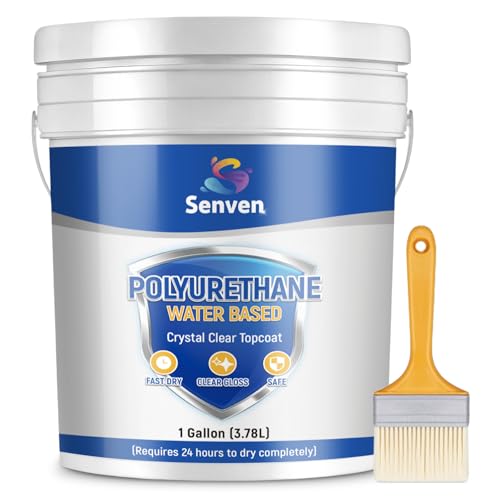
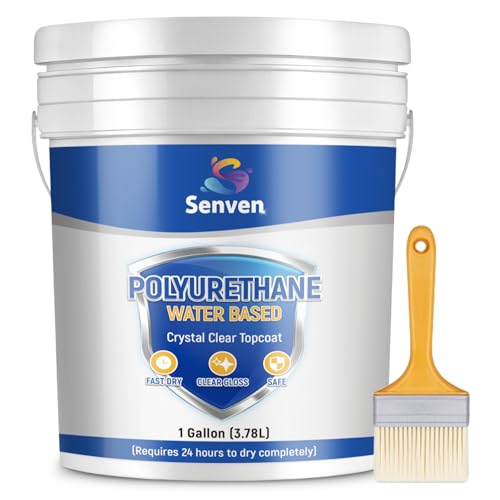
After completing the decoration, I recommend applying a protective coating to enhance durability. A water-based polyurethane works excellently, providing a clear finish while protecting the design from wear and tear.
First, ensure the application surface is smooth and free from dust or debris. Use a clean brush to apply an even layer, starting from one side and working across to the other. Allow the first coat to dry completely, typically for a few hours, before assessing the need for additional layers.
For optimal results, I often choose to apply at least two coats. This not only reinforces protection but also gives a polished look. Lightly sanding between coats with fine-grit sandpaper enhances adhesion and smoothness.
Finally, I allow the surface to cure for several days before use. This step is crucial to ensure that the coating bonds effectively, providing a long-lasting finish that withstands daily use.
Common Mistakes to Avoid When Applying Transfers
Ensure the surface is thoroughly clean before beginning the application. Any dust or residue can lead to peeling or bubbling once applied.
Avoid rushing the drying process after applying each layer. Patience prevents smudging and guarantees a smoother finish. It’s wise to allow adequate drying time as indicated in the product instructions.
Using an excessive amount of water when preparing the design can cause the paper to weaken, resulting in tears during application. Instead, keep the moisture level moderate and manageable.
Neglecting to test the transfer on a scrap piece is a misstep that can lead to undesirable results. This simple test allows for adjustments to be made before working on the actual piece.
Misaligning the design can turn a beautiful project into a frustrating experience. Take the time to measure and mark the exact position beforehand.
Applying too much pressure while smoothing out bubbles can damage the design. A gentle, steady hand is more effective in ensuring even adhesion without causing wear.
A common oversight is forgetting to seal the surface post-application. Neglecting this step can lead to premature fading or damage. Always finish with an appropriate sealant to protect your work.
| Common Mistake | Consequence | Tip to Avoid |
|---|---|---|
| Insufficient surface cleaning | Peeled or bubbled application | Use a microfiber cloth and a suitable cleaner. |
| Rushing drying time | Smudged design | Follow drying instructions carefully. |
| Excessive moisture during prep | Tearing of transfer paper | Control the water application. |
| No test application | Unexpected mishaps on final piece | Always test on similar material first. |
| Poor alignment | Displeasing visual outcome | Measure and mark clearly. |
| Applying too much pressure | Damaged design | Smooth out gently with a soft tool. |
| Skipping sealing process | Fading and wear | Apply a sealant for protection. |
Maintenance Tips for Transfer Decorated Furniture
Regular cleaning is crucial. I recommend using a soft, damp cloth to gently wipe surfaces. Avoid harsh chemicals, as they can damage the design. A mild soap solution can be used on stubborn spots, but always test on a hidden area first.
Daily Care
- Dust surfaces regularly with a microfiber cloth to prevent buildup.
- Keep away from direct sunlight to prevent fading.
- Avoid placing hot items directly on surfaces to prevent heat damage.
Periodic Maintenance
- Every few months, apply a furniture polish suitable for the finish to enhance shine.
- Inspect for any signs of wear or peeling and address them immediately.
- Consider using coasters or placemats to protect against scratches and stains.
In cases of damage, I recommend using a touch-up marker or paint matching the original design to fix minor imperfections. For larger issues, consulting a professional for repair might be necessary.
Storing pieces in climate-controlled environments minimizes risks of warping or cracking. Additionally, avoid overcrowding or stacking items, which can lead to pressure damage.
Lastly, maintaining a record of care routines and repairs helps in preserving the decorative elements for many years to come. This proactive approach will keep your elements looking fresh and vibrant for longer.
Removing and Replacing Transfers on Furniture
To effectively remove an existing design from a surface, use a gentle adhesive remover or warm soapy water. The goal is to soften the adhesive without damaging the underlying finish. Apply your chosen solution with a soft cloth, gently rubbing until the design starts to lift. For stubborn pieces, using a plastic scraper can be beneficial. Always test the remover in an inconspicuous area first to ensure compatibility.
Steps for Replacement
Once the old decoration is removed and the surface is clean and dry, it’s time to choose a new design. Before applying, ensure the area is free from any residue. Use a level to align the new graphic accurately on the surface. For better adherence, using a clear, permanent adhesive is advisable. After positioning, press firmly and smooth out any air bubbles using a credit card or a similar object. Allow adequate time for the adhesive to set before applying a sealant.
Finishing Touches
After replacing the art, apply a sealant for durability. Choose a water-based topcoat that matches the furniture’s finish. This will protect against scratches and moisture. Monitor the newly decorated area for signs of wear and apply touch-ups as necessary to maintain the desired aesthetic.