
 Caleb Turner
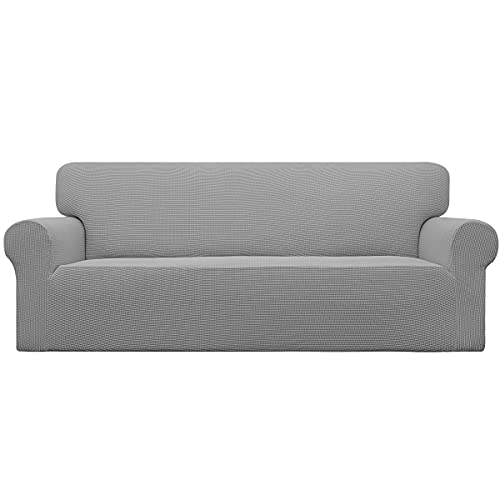
Utilize protective covers designed specifically for upholstery. These covers shield surfaces from scratching and staining, creating a barrier that is both durable and easy to clean. Look for options made with waterproof materials that withstand spills.
Incorporate designated chew toys into the living area. Providing these alternatives can redirect attention away from cherished possessions. Choose durable items that match the chewing habits of your canine, ensuring they remain engaged and satisfied.
Invest in training sessions to reinforce boundaries and discourage destructive behavior. Positive reinforcement techniques promote desired actions while strengthening the bond. Consistent commands serve as reminders for appropriate behavior, making it clear what is acceptable.
Consider using repellents specifically formulated for surfaces. These can deter unwanted interest and create a less appealing environment for chewing or scratching. Ensure any products used are safe for both pets and the materials of your items.
Regular grooming is key; maintain your pet’s nails to prevent scratches on delicate items. Trimming not only protects surfaces but also contributes to a pet’s overall hygiene and comfort. Establish a routine that encourages positive grooming habits.


Strategies to Safeguard Your Household Items
Applying a protective coating can significantly minimize damage caused by playful paws. Products like furniture sprays or sealants create a barrier that is easy to clean and maintain.
Training Techniques
Training is paramount. Positive reinforcement helps teach desired behaviors, ensuring pets understand where they can and cannot go. Sessions should focus on commands such as “off” or “leave it.” Consistency and patience yield the best results.
Physical Barriers
Physical obstacles serve as a straightforward solution. Utilizing gates to restrict access to certain areas, or investing in pet-proof covers, will prevent direct contact. Selecting items made of durable materials, such as leather or tightly woven fabrics, offers more resistance against scratches and stains.
| Material | Durability | Maintenance |
|---|---|---|
| Leather | High | Wipe with damp cloth |
| Synthetic Fabrics | Medium | Washable covers available |
| Microfiber | Medium | Spot clean recommended |
| Wood | High | Regular polish advised |
Lastly, ensuring that toys and various interactive items are readily available redirects attention, keeping pets engaged and away from personal ones. Engaging them regularly through playtime strengthens your bond and diminishes unwanted behaviors.
Choosing Dog-Friendly Furniture Materials
Opt for microfiber or tightly woven fabrics. These materials resist stains and are easy to clean, making them ideal for homes with pets. I recommend avoiding silk and velvet due to their absorbent nature.
Consider leather or faux leather for pieces that need durability. They withstand scratches and can be wiped clean easily, providing a sleek, modern look while ensuring longevity.
For wood selections, choose hardwoods like oak or maple. These types are more resistant to dents and scratches compared to softer woods. Additionally, finishes that repel moisture can further enhance longevity.
In terms of cushioning, high-density foam offers durability while remaining comfortable. Look for covers that can be removed and washed, adding convenience to maintenance.
When selecting rugs, opt for indoor-outdoor varieties made of synthetic fibers. They resist stains and moisture, making them easy to clean and perfect for active areas.
Finally, prioritize structure over aesthetics. Sturdy frames and reinforced seams ensure longevity despite the wear and tear caused by playful or curious animals.
Using Furniture Covers for Added Protection
Investing in high-quality slipcovers is a straightforward way to shield my beloved items and extend their lifespan. These covers are usually made of durable materials that can withstand wear and tear.
When selecting a cover, I prioritize features like water resistance and stain resistance, ensuring spills or accidents don’t lead to permanent damage. Look for covers that are machine washable for convenience; this saves time and effort on maintenance.
Incorporating fitted or stretchy designs offers a snug fit, reducing the chance of slipping and sliding during use. It’s helpful to choose options that come with elastic hems to stay securely in place, making them canine-friendly.
Layering these protective covers with decorative throws adds a stylish element, blending aesthetics with functionality. These can be used to customize the look while offering extra protection against scratches and fur accumulation.
To maintain a clean look, I regularly shake out covers and use lint rollers to remove hair. During heavier shedding seasons, frequent washing might be necessary. Having additional sets on hand allows for quick changes and upkeep.
Overall, furniture covers serve not just as a barrier but also as an opportunity to refresh the decor while safeguarding against unexpected messes.
Training Your Dog to Avoid Furniture
Establish clear boundaries by designating specific areas for your canine companion. Use positive reinforcement techniques whenever your pet chooses their designated space instead of jumping on seating or tables. Reward with treats, praise, or playtime to strengthen this behavior.
Implementing Commands
- Teach basic commands such as “off,” “stay,” and “place.”
- Practice regularly to ensure your dog understands and responds effectively.
- Use hand signals in conjunction with verbal cues for better comprehension.
Utilizing Training Tools
- Consider using clickers to mark good behavior. Click at the moment they follow commands to create a connection.
- Utilize barriers or pet gates to prevent access to restricted areas while training.
- Leverage mats or designated beds to encourage your pet to stay in approved zones.
Consistency is key; ensure all family members enforce the same rules. Monitor progress and adjust techniques as necessary, reinforcing the positive responses to commands. If behaviors are not improving, consult a professional trainer for tailored strategies. Regular practice will lead to successful habits and improved coexistence.
Creating a Designated Dog Area in Your Home
Establish a specific space for my canine companion equipped with comfortable bedding, toys, and feeding areas. Position this zone in a low-traffic area to minimize disruptions and ensure my pet feels secure.
Incorporate durable materials for the flooring, such as tile or laminate, allowing for easy cleaning of any messes. Area rugs made from synthetic fibers can provide comfort while being more resilient against wear and tear.
Use barriers like baby gates to define the zone, creating a clear boundary that helps my dog understand where it is acceptable to play and relax. Keep dog-friendly furniture options, like cozy dog couches or sturdy crates, within this area.
Adding engaging elements like puzzle feeders or chew toys can encourage my pet to spend time in this designated region, reducing the desire to lounge on couches or beds. Consider including a scratching post or climbing elements to promote exercise and mental stimulation.
Regularly assess the designated area for comfort and functionality, adjusting items as needed to maintain my dog’s interest and well-being. A consistent environment fosters relaxation, making it less likely for my furry friend to seek out other spaces.
Utilizing Dog Repellent Sprays on Furniture
I recommend selecting a high-quality dog repellent spray specifically designed to deter pets without causing harm. Look for products containing natural ingredients like citrus or vinegar, as these odors are often unappealing to canines. Apply the spray on areas of interest for your pet, ensuring the surface is clean and dry beforehand.
Application Tips
Be consistent with the application process. Reapply the repellent weekly or after cleaning sessions to maintain effectiveness. Use a small patch test on hidden areas to confirm compatibility with the material before broader application. Ensure the spray doesn’t stain or damage the finish.
Behavioral Reinforcement
Incorporate the use of repellent sprays in tandem with positive reinforcement techniques. When your canine avoids the treated area, reward them with praise or treats, reinforcing desired behaviors. This combination can strengthen their understanding of boundaries within living spaces.
Regular Grooming to Minimize Shedding
I schedule regular grooming sessions to manage shedding efficiently. Depending on the breed, frequent brushing can substantially reduce loose hair. For short-haired breeds, a rubber grooming brush works wonders in collecting hair while also promoting a healthy coat.
Tools and Techniques
Investing in a high-quality grooming tool like an undercoat rake for longer-haired breeds helps remove dead fur that brushing alone might miss. I also find using a grooming glove convenient, as it allows me to bond with my pet while tidying up their coat. A good bath with a shedding shampoo every few weeks can further assist in minimizing stray fur.
Establishing a Routine
Creating a grooming routine has been beneficial. I set aside specific days to brush my pet, making it a relaxing experience for both of us. This not only keeps hair at bay but also enhances the overall well-being of my furry companion.
Investing in Durable and Scratch-Resistant Finishes
Opt for finishes that are known for their resilience, such as polyurethane or acrylic coatings. These treatments form a barrier that resists scratches and stains, making them ideal for settings with active animals. A matte or satin finish often hides scratches better than glossy surfaces, making it a preferred choice.
Choosing the Right Materials
Select woods like oak or maple, which have natural durability. For upholstered pieces, fabrics such as microfibers or canvas not only resist tearing but also repel moisture, aiding in easy maintenance. Additionally, there are synthetic materials specifically designed to withstand pet-related wear and tear.
Routine Maintenance
<p.Regularly inspect and maintain the surfaces. Clean spills immediately, as some finishes can become damaged if liquids are allowed to seep in. Consider reapplying protective coatings every few years to extend lifespan. This proactive approach greatly reduces potential long-term damage.
Using Obstacles to Block Access to Certain Areas
I recommend using physical barriers to limit access to specific spaces. Gates or pet barriers can effectively block off rooms or sections where possible damage may occur. Adjustable gates are versatile and can fit various openings.
Consider strategic placement of furniture to create natural boundaries. Positioning sofas or bookshelves can serve as obstacles, guiding your canine companion away from vulnerable items. This not only protects against wear but also sets clear boundaries for your pet.
Indoor playpens can be a useful tool, especially for younger or more energetic animals. I’ve found that setting up a designated area with their toys keeps them engaged and reduces their interest in other areas.
Temporary solutions, like baby gates or folding screens, can be rearranged as needed, providing flexibility. Using ornamental screens also adds an aesthetic element while serving practical purposes.
Training pets to recognize these barriers as off-limits reinforces the idea that certain areas are inaccessible, further enhancing their effectiveness. Combine this with consistent guidance to develop a respectful understanding of your living space.
Implementing Positive Reinforcement Techniques
Incorporate delicious treats as rewards for desired behaviors when training. Whenever I catch my pup resting calmly on their designated mat instead of jumping onto the sofa, I immediately offer a tasty snack. This encourages the same behavior in the future.
Utilize clicker training to mark moments of good behavior. A click followed by a reward creates a clear association between the action and the reward, which helps my dog understand expectations and increases the likelihood of repeat behavior.
Set specific commands and associate them with positive outcomes. When I say “off,” and my dog complies, I follow up with praise and a treat. This consistency aids the learning process and fosters trust.
Vary the rewards to keep the engagement high. I often mix treats with affection, playtime, or even extra walks. By offering different forms of reward, I maintain my dog’s interest and motivation.
Incorporate short, frequent training sessions instead of lengthy ones. A five to ten-minute session keeps my dog engaged without overwhelming them. This intermittent learning promotes quicker understanding and retention.
Stay patient and avoid punishment. Negative responses create fear and anxiety, leading to more behavioral issues. I focus on reinforcing what my dog does right, nurturing an environment for positive progress.


