
 Caleb Turner
I recommend applying a high-quality sealant specifically designed for exterior use at least once a year. This creates a barrier against moisture and prevents the development of mold and mildew. Choose a product that penetrates deep into the grain for lasting protection.
Regularly clean surfaces using a gentle soap solution and a soft brush. This helps to remove dirt and grime without causing scratches. Rinse thoroughly and allow items to dry completely to avoid water spots and promote longevity.
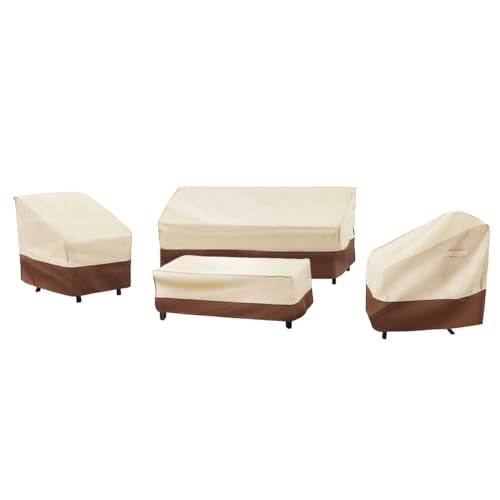


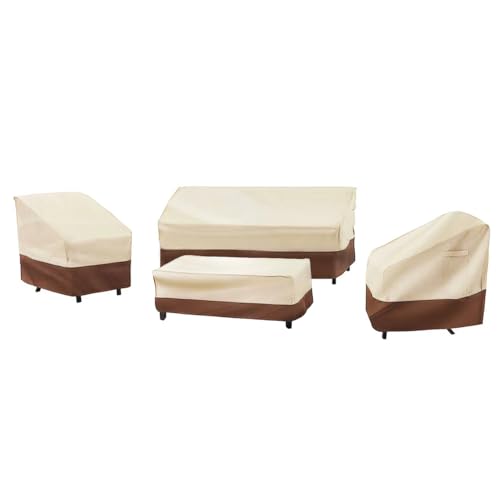
Consider storing away smaller items during harsh weather. For larger pieces, using waterproof covers can shield them from sun, rain, and snow. This minimizes wear and helps maintain their natural appearance over time.
Finally, inspect for signs of wear such as splintering or cracking. Address any damages promptly to prevent further deterioration. A little maintenance goes a long way in ensuring these cherished outdoor elements remain in prime condition.
Choosing the Right Wood Type for Outdoor Furniture
Teak stands out as an optimal choice for external structures due to its natural oils, providing inherent resistance to moisture and insects.
Cedar is another excellent variant; its lightness and aromatic properties deter pests while offering a beautiful, rustic aesthetic.
Mahogany combines robust durability and appealing color variations, making it suitable for those seeking elegance alongside longevity.
For a more eco-friendly option, bamboo is highly sustainable, offering exceptional strength and flexibility, perfect for various designs.
Hardwoods like oak or ash can be viable, though they may require additional treatment against the elements to prolong their lifespan.
- Ensure the chosen material is resistant to rot and sun damage.
- Consider the furniture’s location; shaded areas may allow for softer woods.
- Weigh the aesthetics versus the maintenance requirements of each wood type.
Finally, selecting the right grain pattern can enhance visual appeal while addressing individual preferences for style and function.
Applying Protective Finishes to Enhance Durability
I recommend using high-quality sealants specifically designed for outdoor applications. These products create a barrier against moisture and UV rays, significantly extending the life of my outdoor creations. Look for water-based options, as they are easier to apply and clean up, and generally emit fewer volatile organic compounds.
Before applying any finish, preparation is key. I usually start by cleaning the surfaces thoroughly to remove dirt, grime, and algae. A light sanding often helps enhance adhesion, ensuring a smoother application. I prefer using a power sander for larger pieces but hand-sanding can give more control for detailed areas.
| Finish Type | Benefits | Application Tips |
|---|---|---|
| Oil-based finishes | Deep penetration, enhances natural color | Apply with a brush; reapply annually for best results |
| Water-based finishes | Quick drying, easy cleanup | Use a foam roller for a smooth finish |
| Varnish | Hard protective layer, high gloss finish | Thin with solvent for first coat to aid adherence |
| Epoxy resin | High durability, excellent for surfaces prone to heavy use | Mix according to instructions; apply in thin coats |
Regular maintenance is also essential. I find that inspecting for wear and touching up finishes before the entire surface shows damage saves both time and resources. A little effort goes a long way in maintaining the integrity and aesthetics of my outdoor designs.
Regular cleaning techniques for outdoor wood items
I utilize a simple mixture of warm water and mild soap, applying it with a soft cloth or sponge to clean surfaces. This method prevents damage while effectively removing dirt and stains. Rinsing thoroughly with clean water is crucial to prevent soap residue accumulation.
<p<I frequently avoid using harsh chemicals or abrasive tools, as these can scratch or degrade the finish. Instead, I opt for soft brushes for detailed areas where grime accumulates, such as carved designs or joints.
Once I’ve cleaned the surfaces, I dry them with a towel to eliminate moisture and avoid mold growth. I find that regular cleaning, especially during seasonal changes, helps maintain the item’s appearance and extends its lifespan.
For more stubborn stains, I prepare a paste of baking soda and water, applying it gently to the affected area. After a short period, I wipe it away with a damp cloth, ensuring no residue remains.
I also keep an eye out for any signs of mildew or discoloration. If I notice these issues, I treat them promptly with a mixture of vinegar and water, which serves as a natural solution.
Establishing a routine cleaning schedule based on the frequency of use and exposure to elements enhances the longevity of these pieces.
Preventing Moisture Damage with Proper Storage
Store outdoor pieces indoors or in a dry, sheltered area during unfavorable weather conditions. A dedicated storage shed is ideal. If indoor storage isn’t possible, use a durable, waterproof cover tailored to fit snugly around each item to minimize water exposure.
Humidity Control
Opt for climate-controlled environments whenever possible. Keeping items in basements or garages can lead to excess moisture accumulation. Elevate furniture off the ground using pallets or blocks to improve airflow and prevent ground moisture from seeping up.
Seasonal Rotation
Rotate items seasonally. In colder months, bring pieces inside to avoid prolonged exposure to moisture and freezing temperatures. This not only extends longevity but also maintains their aesthetic appeal and integrity.
Using Covers to Shield Against Extreme Weather
Selecting high-quality covers can significantly extend the lifespan of outdoor seating. I recommend using covers made from durable, breathable materials that prevent moisture buildup while protecting against rain, snow, and UV rays.
Types of Covers
- Waterproof Covers: Ideal for rain and snow, these materials keep moisture away from the surface.
- UV-Resistant Covers: Look for fabrics that block harmful sunlight, reducing fading and degradation from sun exposure.
- breathable Fabrics: Allows air circulation, minimizing mildew and mold growth.
Proper Usage Tips
- Ensure that furniture is clean and dry before covering to avoid trapping moisture.
- Always secure covers with straps or toggles to prevent them from blowing away in strong winds.
- Regularly check the fit and condition of the covers, replacing them if they become damaged or torn.
By effectively using covers, I can mitigate the effects of harsh conditions and keep my outdoor seating in prime condition throughout varying weather conditions.
Identifying and Treating Wood Rot and Pests
I examine for signs of rot, especially at joints and ends. Softening of the wood, discoloration, or a musty smell indicates decay. To treat it, I first remove affected areas with a chisel or saw. Following that, I apply a wood preservative to the cavity to prevent spread. If rot is extensive, replacing the affected parts may be necessary.
Pest damage often presents as small holes or sawdust around affected items. I check for termites, carpenter bees, and other insects. For treatment, I may use insecticidal sprays or natural solutions like neem oil. It’s crucial to follow up with preventative measures, such as sealing cracks or using treated wood to deter future infestations.
| Type of Issue | Signs | Treatment Method |
|---|---|---|
| Wood Rot | Soft wood, dark spots, musty odor | Remove affected areas, apply wood preservative |
| Pest Infestation | Holes, sawdust, presence of insects | Insecticidal spray or neem oil |
I conduct regular inspections, especially before seasonal changes, to catch and address these issues early on. This approach ensures longevity and functionality of outdoor items.
Seasonal Maintenance Routines for Longevity
An effective seasonal routine begins with assessing the condition of your outdoor pieces before major weather changes. I check for any signs of wear or damage and take immediate action to remedy these issues.
Spring Preparation
- Begin by giving a thorough clean with a mild soap solution. Rinse well and allow to dry completely.
- Inspect for any cracks or splinters. Sand down rough areas to prevent injuries and further damage.
- Apply a fresh coat of finish to maintain a protective barrier against moisture and UV rays.
Autumn Readiness
- Clean accumulated debris like leaves or dirt that can cause staining or attract pests.
- Tighten screws and joints to ensure stability for the upcoming winter.
- If storing is necessary, apply a protective finish before moving the items indoors.
By maintaining a consistent routine throughout the seasons, I ensure these beautiful pieces endure for years to come. Taking small steps regularly can greatly enhance their lifespan and appearance.
Location strategies to minimize sun exposure
Positioning outdoor seating to receive shade can significantly enhance longevity. Trees, pergolas, or canopies provide a natural barrier against direct sunlight. Whenever possible, consider placing items where they can benefit from these natural features.
Utilizing Shade Structures
Investing in shade structures like umbrellas or retractable awnings offers flexibility in controlling sunlight exposure. Choose adjustable options that allow me to shift the coverage based on the sun’s position throughout the day.
Strategic Placement
Arrange items away from direct sunlight during peak hours. Analyzed the paths of the sun at different times of the year to determine the most favorable placements–this approach ensures maximum protection from harmful UV rays.
Additionally, consider using reflective surfaces around the area. Light-colored patios or nearby materials can reduce heat absorption and reflect sunlight, further safeguarding against potential damage.
Choosing Suitable Hardware for Longevity
I recommend selecting stainless steel or brass fasteners for outdoor seating and tables. These materials resist corrosion and will withstand exposure to moisture and varying temperatures. Ensure that the screws and bolts are at least 316 marine grade, as this offers superior protection against rust.
For hinges and latches, opt for those with a finish designed for outdoor use, such as powder-coated options. This will ensure they maintain their functionality without degrading over time. Regularly check these components and apply a silicone spray to keep them operating smoothly.
Consider using nylon or rubber washers to cushion joints and minimize friction. This can help prevent wear and tear, prolonging the life of the connections. For any exposed hardware, color-matching them with the stain or paint on the surfaces can add a cohesive look while offering a layer of protection against the elements.
When assembling, avoid overtightening fasteners. This can cause unnecessary strain on the wood and lead to splitting. Instead, aim for snug connections that allow a slight movement, making the structure more resilient to temperature fluctuations.
Lastly, for any DIY projects, treat all raw wood edges where hardware will be attached with a protective finish before installation. This step inhibits moisture infiltration around the hardware and contributes to overall durability.


