Caleb Turner

To prevent damage to beloved pieces, incorporating protective materials like slipcovers or throws is a straightforward solution. These coverings act as a barrier, safeguarding against scratches, slobber, and unintentional stains while adding a fresh look.
Consider using furniture spray that deters chewing. Products designed specifically for this purpose can effectively condition the small dog to avoid certain items, ensuring that unappealing tastes discourage destructive behavior.


Creating a designated play area with appropriate toys focuses energy away from valuable belongings. Engaging your young canine with stimulating playthings will address their need to chew and explore, reducing the urge to target furnishings.
Establishing boundaries with training reinforces acceptable behavior. Positive reinforcement techniques encourage your playful companion to respect space where treasured items reside. Regularly guiding them away from restricted areas fosters better habits over time.
Tips to Keep Your Belongings Safe
Use durable, chew-resistant materials for upholstery. Fabrics such as leather or specially-treated canvases are harder for young dogs to damage. Choose colors that can hide stains, making maintenance easier.
Incorporate protective covers or slipcovers. These can be easily removed and washed or replaced, providing a barrier against scratches and drool.
Introduce strategic placement of deterrents. Scents like citrus or sprays designed to discourage chewing can help keep playful pups away from beloved items.
Utilize organization to minimize mess. Store items like toys, blankets, and other accessories in bins or designated areas to reduce clutter around the house.
Encourage positive behavior. Use rewards for good conduct around surfaces, helping to reinforce what’s acceptable while redirecting undesired actions.
Establish boundaries. Designate specific areas for playtime, ensuring young dogs understand where they can and cannot go. Gates or playpens can help carry out this approach effectively.
Regularly trim nails and maintain grooming. Shorter nails help reduce the risk of scratches and damage on surfaces, maintaining their condition longer.
Choose multi-functional pieces. Select items that can serve various purposes, making it easier to keep spaces tidy and functional despite the presence of an inquisitive companion.
Choosing Puppy-Proof Furniture Materials
Opt for synthetic fabrics like polyester or nylon. These materials resist stains and are easier to clean compared to natural fibers.
- Microfiber: This tightly woven fabric is durable, water-resistant, and doesn’t trap pet hair, making cleanup straightforward.
- Leather: Full-grain or treated leather can withstand scratches. It can also be wiped down, preventing odors or stains from setting in.
- Outdoor fabrics: Fabrics designed for outdoor use are often UV-resistant and easy to clean, making them suitable for indoor spaces as well.
Avoid delicate materials such as silk or velvet, as they may show wear much quicker. Additionally, steer clear of light colors that can stain easily.
- Select dark or patterned fabrics to camouflage potential marks.
- Consider removable, washable covers for couches or chairs for added convenience.
- Test fabric samples at home to see how they hold up against typical messes.
Choosing the right materials upfront can save considerable hassle in maintaining the integrity of pieces over time.
Implementing Safe Zones for Your Puppy
I designate specific areas in my home where the little one can roam freely without risk to valuable items. Using baby gates or exercise pens is a practical approach to create these boundaries and keep curious paws in check.
Soft bedding and puppy-friendly toys are essential components of these zones, providing a comfortable and engaging environment. I ensure that these areas are easily accessible and conveniently located near family activities, encouraging positive experiences.
Regularly rotating toys keeps the space interesting, while also preventing boredom and reducing destructive behavior. I also incorporate training exercises within these safe zones to promote good habits and reinforce positive actions.
Maintaining a tidy and secure environment aids in minimizing accidents and fosters a sense of safety for the little one. I make sure harmful items are out of reach, thus allowing them to explore without anxiety. Setting up these designated spaces has significantly improved harmony at home, benefiting both the pup and our belongings.
Using Protective Covers and Throws
Investing in protective covers and throws is a practical measure to maintain the appearance and longevity of upholstery. These items not only shield surfaces from scratches and stains but also add an element of style. Look for covers specifically designed to resist pet damage; materials like microfibers or denim are particularly durable.
Choosing the Right Material
Select fabrics that are easy to clean. Machine-washable options are ideal as they make maintenance straightforward. Consider quilted covers that provide a cushioned surface, offering comfort while serving their protective purpose. If you prefer a more decorative solution, look for stylish throws that can be draped artfully over chairs or sofas, blending functionality with aesthetic appeal.
Color and Pattern Considerations
Opt for darker colors or patterns that camouflage stains and fur, making them less noticeable. This way, you can maintain a clean look with minimal effort. Regularly rotating these protective layers not only gives your living space a fresh vibe but also extends their lifespan, ensuring that each cover serves its purpose effectively.
Training Your Puppy to Avoid Furniture
Establish boundaries early. I began by using clear commands like “off” or “no” whenever my pup approached the couch or chairs. Consistency is key; every family member should use the same commands, ensuring the puppy understands the expectations.
Positive Reinforcement Techniques
I found that rewarding my dog with treats or praise when he stayed off the couch was effective. After a few successful attempts, the puppy associated staying away with positive outcomes.
| Command | Action | Reward |
|---|---|---|
| Off | Puppy jumps down | Treat or praise |
| No | Puppy stops approaching | Pat or playtime |
Creating Alternative Spaces
I introduced appealing alternatives like designated dog beds in the living area. By making those spots cozy with blankets and toys, my puppy learned where it was appropriate to relax, steering clear of the sofa. Whenever he chose his own space, I reinforced this choice with affection. This helped him forget about my upholstered items over time.
Providing Alternative Chew Toys and Options
Opt for durable and safe chew items specifically designed for young dogs. Select tough options like rubber toys, nylon chews, or natural bones. This variety caters to different chewing styles and preferences.
Types of Chew Toys
- Rubber Toys: These last longer and can be filled with treats to make them more enticing.
- Nylon Chews: Great for aggressive chewers, available in various flavors to attract pups.
- Natural Bones: Rawhide or other digestible options can satisfy natural chewing instincts.
- Interactive Toys: These engage pups mentally while providing a satisfying chewing experience.
Rotation System
Establish a rotation system for toys. Keeping the selection fresh will maintain interest and reduce the temptation to gnaw on prohibited items.
Regularly inspect toys for wear and tear. Replace damaged items to ensure safety during playtime. Encourage positive behavior by rewarding the pup for choosing toys over household items.
Regular Maintenance and Spot Cleaning Techniques
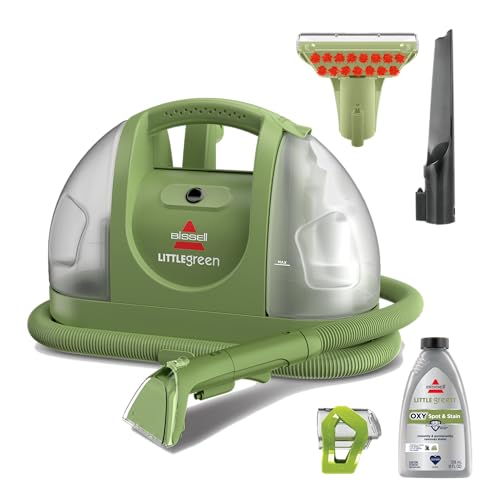
One effective way to maintain integrity and appearance is through consistent upkeep. I schedule a weekly vacuuming session to eliminate hair, dirt, and debris from surfaces. Utilizing an upholstery attachment prevents damage, ensuring a thorough clean without risking scratches.
For immediate response to stains or messes, I always keep specific cleaning supplies readily accessible. A mixture of mild dish soap and water serves as an excellent spot cleaner for various substances. When accidents occur, I gently blot the area with a clean cloth, avoiding vigorous scrubbing that may set the stain deeper.
Specialized enzymatic cleaners can be invaluable for eliminating odors left by accidents. These formulas break down organic materials, leaving no trace behind, and I find them particularly beneficial for persistent smells.
I also take preventive measures by applying a fabric protector spray to newly acquired items. This creates a barrier against spills and stains, making future cleanup easier. Regular reapplication of this spray, typically every six months, enhances its effectiveness.
Regular rotation of cushions and pillows helps minimize wear in high-traffic areas. By simply switching their positions, I also ensure that all sides receive equal exposure, promoting even aging and reducing any premature degradation.
Finally, keeping a close watch during playtime can make a significant difference. Whenever I notice my pup approaching a favorite piece, I redirect them to designated chew options. This little action not only protects the piece but also reinforces good habits.