Caleb Turner
Utilize window treatments such as blinds or curtains to mitigate direct rays impacting your cherished pieces. Adjustable slats allow you to control light levels without compromising your interior design.
Applying a protective finish can significantly enhance durability. A quality sealant or varnish creates a barrier against harmful ultraviolet radiation and prevents fading. Regular reapplication is recommended to maintain effectiveness.


Position your beloved items away from direct exposure. Consider rearranging your layout or placing large plants or screens as buffers. This simple adjustment can prolong their visual appeal and integrity.
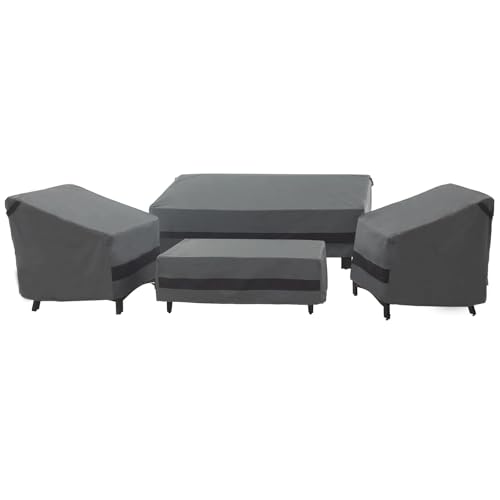
Investing in quality leather or fabric covers offers another layer of safeguarding. These covers can be easily removed when not in use and provide a stylish solution to shield against sun damage while maintaining accessibility.
How to Safeguard Wooden Pieces Against Color-Fading
I recommend applying a high-quality UV-filtering window film. This can significantly reduce harmful rays while allowing natural light to filter through.
Using heavy curtains or blinds can create a barrier against direct exposure, especially during peak sunlight hours. Consider shades with reflective coatings for additional defense.
Regular maintenance is key. Routinely polish surfaces with products containing UV inhibitors to diminish sun damage.
Positioning items away from bright light sources can extend their life. Strategic placement can mitigate the effects of intense heat and glare.
Consider using tablecloths or decorative throws on surfaces. These can provide an additional layer of shielding, especially on pieces frequently used.
Some types of plant-based oils offer protective qualities. A monthly treatment can enhance the resilience of surfaces against fading.
Rotate your decorations often. This simple action allows different areas to rest from continuous exposure, preventing uneven color changes.
Finally, when selecting new items, prioritize those with finishes that include UV protection. Investing in suitable protective measures can make a significant difference over time.
Choosing the Right Location for Your Furniture
I recommend placing your items away from direct contact with ultraviolet rays. Avoid windows that receive intense sunlight throughout the day. Instead, consider corners of the room that benefit from indirect light, ensuring durability without exposure to damaging effects.
Utilizing Window Coverings
In rooms with large windows, utilizing shades or curtains can be effective. Installing sheer fabrics allows light in while filtering out harmful rays, providing a balanced environment for your items.
Monitoring Indoor Light Conditions
Regularly assess the lighting conditions in your space. During seasonal changes, the angle of sunlight shifts, potentially increasing exposure. Adjust the positioning and placement of your valuables accordingly to ensure continued preservation.
Using UV-Resistant Finishes
I recommend applying UV-resistant finishes to extend the longevity of fine surfaces. These specialized coatings create a barrier against harmful rays while maintaining the natural appearance of the material. Look for products containing UV absorbers and stabilizers, as they significantly reduce fading and discoloration.
When selecting a finish, consider options such as polyurethane, varnish, or shellac with UV protection. Both water-based and oil-based versions can provide excellent results; however, water-based finishes tend to dry faster and emit fewer odors. Ensure good ventilation during application and curing to achieve a flawless and durable layer.
Applying multiple coats of finish enhances protection. I suggest a minimum of three coats, especially for pieces exposed to higher light exposure. Light sanding between coats helps bond the layers, resulting in a smoother, more resilient surface.
Regular maintenance of the protective layer is imperative. Reapplication every few years, or whenever signs of wear become visible, keeps surfaces vibrant and shields against deterioration. This proactive approach can save time and expenses in the long run. Always follow the manufacturer’s instructions for the best results.
Employing Window Treatments for Sunlight Control
Installing window coverings, such as blinds, shades, and curtains, plays a significant role in managing exposure to harmful rays. Consider options that offer both aesthetic appeal and functionality. For instance, using cellular shades can effectively block UV rays while allowing diffuse light to enter.
Horizontal and vertical blinds provide precise control over light levels. When tilted, they can reflect sunlight away, minimizing direct exposure to valuable items. Opt for materials that are resistant to fading and easy to clean, ensuring longevity.
Sheer curtains present a stylish option, filtering light and providing privacy without complete obstruction. Look for fabrics specially treated to resist UV damage. Layering sheer drapes with heavier curtains can enhance flexibility in controlling brightness throughout the day.
Window Treatment Comparison:
| Type | Light Control | UV Protection | Maintenance |
|---|---|---|---|
| Blinds | Adjustable | Variable | Easy |
| Shades | Moderate | High | Low |
| Curtains | Varied | Moderate | Moderate |
To maximize protection, consider combining treatments. For instance, layering blackout curtains with mini-blinds allows for full light control when desirable while safeguarding against detrimental rays.
Regular cleaning and maintenance of these coverings will keep them in optimal condition, further extending their lifespan and effectiveness in shielding against harmful light.
Applying Protective Covers When Not in Use
Utilizing covers can significantly enhance the longevity of my cherished pieces. Whenever pieces are not actively in use, I always drape them with soft, breathable fabric. This prevents dust accumulation and shields against potential scratches.
While choosing a protective cover, I make sure it is made from a material that allows air circulation. Avoiding plastic is key since it can trap moisture and lead to mold growth. Instead, I prefer cotton or linen, as they offer adequate protection without compromising breathability.
In addition, I ensure that the covers are well-fitting. Loose fabrics may shift, exposing surfaces to damage. Custom-fit options are ideal, but even adjustable covers can provide good security if fitted correctly. I take care to maintain the shape of my items by padding before covering them, especially for sharp edges and delicate areas.
Regularly checking underneath the covers helps me keep an eye on the condition of my items. I clear away any trapped dust or moisture to maintain optimal microclimates for the surfaces. Adding a supportive frame to my covers can further enhance their effectiveness against fading.
Table of Recommended Cover Materials:
| Material | Pros | Cons |
|---|---|---|
| Cotton | Breathable, Soft | Can wrinkle |
| Linen | Durable, Lightweight | More expensive |
| Polyester | Resistant to stains | Less breathable |
During warmer months, I habitually remove covers for ventilation but return them quickly when the items are not in use. This habit helps me strike a balance between exposure and protection.
Regular Maintenance to Prevent Sun Damage
Performing routine care is fundamental in preserving the integrity of your pieces against harmful rays. I suggest cleaning surfaces weekly with a soft, damp cloth, followed by a dry one to eliminate moisture. This simple task helps prevent buildup that can cause discoloration over time.
Periodic Inspection
Check for any signs of fading or wear every few months. If I notice changes, applying a specialized restore product can rejuvenate the finish and enhance resistance to UV exposure.
Conditioning Oils
Using conditioning oils every six months is beneficial. These oils nourish the grain, ensuring it remains supple while offering an additional layer of protection against harsh environmental factors.
By diligently following these steps, the longevity of your cherished items continues, maintaining their beauty and functionality despite exposure to bright light.
Utilizing Natural Barrier Plants Outdoors
Positioning specific flora around outdoor seating can significantly reduce damage caused by UV rays. Opt for dense shrubs, tall grasses, or trees that provide shade and act as a shield.
Recommended Plant Species
- Boxwood: Its dense growth provides an excellent natural barrier.
- Juniper: A hardy option that not only blocks light but requires minimal maintenance.
- Maple Trees: Their large canopies effectively cast shade, cooling the area beneath.
- Ferns: These can be planted near porches or patios, offering both beauty and protection.
Strategic Placement
When arranging these plants, consider the sun’s path throughout the day. Position taller species on the southern side of the area to maximize their shadow during peak sunlight hours.
Grouping plants in clusters not only enhances aesthetics but also fortifies the protective barrier, allowing for better coverage of outdoor arrangements.
Understanding the Effects of Direct Sunlight
Direct exposure to sunlight leads to discoloration and fading of finishes on surfaces. This alteration in appearance is often irreversible, making it crucial to understand the mechanisms at play.
Ultraviolet (UV) rays penetrate surfaces, causing chemical changes in the materials. These rays can break down the structure of the finish and the wood itself, leading to weakened integrity and brittleness over time.
To minimize these harmful impacts, I implement specific practices:
- Maintain a consistent rotation of position for items to ensure even exposure.
- Monitor light intensity during different times of the day, adjusting placements accordingly.
- Introduce barriers like sheer curtains that diffuse light, reducing immediate exposure without sacrificing aesthetic appeal.
Understanding these effects allows for proactive decisions, enhancing the longevity and appearance of cherished pieces in any space.
Consulting with Professionals for Long-Term Solutions
Engaging with experts can yield targeted strategies tailored to preserve your items. Interior designers and wood specialists often offer insights into optimal finishes and environmental adjustments. That’s how I discovered the significance of selecting the right sealants that enhance durability against harsh conditions.
Finding the Right Expert
Research local craftsmen with strong reputations and expertise in protective treatments. Customer reviews and project portfolios provide valuable context for their abilities. A consultation can reveal the best maintenance practices specific to your collection.
Customized Solutions
Collaborating with an experienced designer can lead to innovative arrangements. They might propose strategic placements away from direct light sources, utilizing mirrors or strategic layouts to diffuse sunlight. This personalized approach helps extend the life of the materials significantly.
FAQ:
What are the best ways to protect wood furniture from sunlight damage?
To shield wood furniture from sunlight damage, consider several methods. Firstly, applying a UV protectant finish can help reduce the harmful effects of sunlight. Secondly, positioning your furniture away from direct sunlight is advisable; using curtains or blinds can also help in blocking light during peak hours. Finally, placing your furniture under a covered area or using outdoor covers when not in use can offer additional protection.
How does sunlight specifically affect wood furniture?
Sunlight can cause significant damage to wood furniture, primarily through the ultraviolet (UV) rays. Exposure to these rays can lead to fading of the wood’s color, drying out the finish, and even causing warping over time. Additionally, prolonged exposure can weaken the wood fibers themselves, making the furniture more susceptible to scratches and dents.
Are there specific products recommended for protecting wood furniture from sunlight?
Yes, various products can be used to safeguard wood furniture against sunlight. For instance, UV-blocking sprays and finishes create a barrier that absorbs UV rays. Beeswax and furniture oils can also help replenish moisture lost due to sun exposure, enhancing the wood’s appearance. Additionally, using decorative items like tablecloths or placemats can provide an extra layer of protection while also enhancing the overall decor.
How often should I apply protective treatments to my wood furniture?
The frequency of applying protective treatments depends on several factors, including the type of finish on your furniture and the level of sun exposure. Generally, it’s advisable to reapply UV protectant finishes or oils every 6 to 12 months, especially in areas with intense sunlight. Regularly checking for signs of wear can help you determine when it’s time for reapplication. Keeping an eye on the condition of the finish and the wood itself will help maintain your furniture’s longevity.