
 Caleb Turner

Regularly applying a high-quality sealant can significantly enhance the longevity of your timber items. Choose a product specifically designed for this purpose and follow the manufacturer’s instructions carefully. This simple step can create a formidable barrier against unwanted dampness.
Additionally, placing desiccants in enclosed areas where timber objects are stored can effectively absorb excess humidity. Consider silica gel packets or natural alternatives, like charcoal, which offer excellent absorption properties.
Occasionally checking the surrounding environment is also advisable. Ensure that the humidity levels remain within a comfortable range, ideally between 30-50%. Using a hygrometer will provide accurate readings and help determine if adjustments are needed.
Incorporating protective coasters and mats can shield surfaces from condensation, especially during warmer months when temperature fluctuations are more pronounced. By taking these precautions, I have managed to maintain the integrity of my wooden treasures for years.

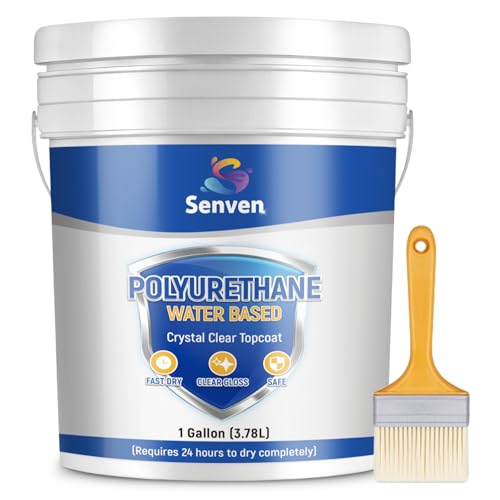

How to Safeguard Timber Items Against Humidity
Apply a high-quality sealant to the surface of your pieces, ensuring every corner and crevice is covered. This acts as a barrier, preventing moisture from penetrating the material.
Utilize coasters and placemats to shield surfaces from spills and condensation. They’re not just decorative; they offer practical protection against direct contact with liquids.
Maintain optimal humidity levels in your surroundings. Using a dehumidifier can significantly reduce excess moisture in the air, creating a dry environment that is less likely to harm your items.
Position items away from sources of heat and humidity, such as radiators or air conditioning vents. Heat can cause uneven expansion and contraction, while high humidity can lead to warping and mold growth.
Regularly polish with a quality wax or oil specifically designed for natural materials. This not only enhances the appearance, but lays down an additional protective layer that repels moisture.
In case water spots or damage occurs, handle repairs immediately. Lightly sand the affected area and reapply the finish to restore the integrity and appearance of the surface.
Consider using decorative trays or bowls to keep items organized without direct contact with the surface underneath. It adds flair while minimizing potential damage.
Secure vents and other openings to prevent outdoor moisture from entering your space. Simple adjustments can make a substantial difference in your indoor air quality.
Choosing the Right Finish for Wood Furniture
I recommend using polyurethane for its durability and moisture resistance. It forms a protective layer that enhances longevity while providing an appealing sheen.
Water-based polyurethane dries quickly and has low odor, making it ideal for indoor application. Oil-based versions offer a richer hue but take longer to cure.
Other Options
Consider moisture-resistant varnishes, especially for high-humidity areas. These products penetrate deep into the grain, sealing it effectively.
For a more natural look, try penetrating oils like tung oil. They offer a satin finish and enhance the grain while providing some level of protection against liquid spills.
Applying a Moisture-Resistant Sealant
Begin with selecting a high-quality moisture-resistant sealant specifically formulated for home surfaces. Look for products that offer water-repellent properties and have added UV protection for longevity.
Preparation Steps
Thoroughly clean the surface with a soft cloth to remove any dust or grime. If the surface has an existing finish, sanding it lightly enhances adhesion. Ensure the area is well-ventilated, as most sealants release fumes that need to dissipate.
Application Process
Apply a test coat in a small, inconspicuous area first. Utilize a brush or roller for even distribution, following the manufacturer’s instructions for drying time between coats. Generally, two to three coats provide optimal barrier protection. For best results, avoid excess application which can lead to a tacky finish.
After the final coat, allow the protective layer to cure completely before subjecting the item to any moisture exposure. Regular maintenance and reapplication every few years will extend the life of the seal.
Controlling Humidity Levels in Your Home
Installing a hygrometer helps monitor indoor humidity. Aim for a relative humidity level between 30% and 50% for balanced conditions. Keeping the humidity in this range minimizes the risk of damage to sensitive items.
Utilizing dehumidifiers during humid seasons effectively reduces excess moisture. Select a unit suited to the size of the room for optimal performance. Regular maintenance, such as emptying water tanks, ensures continuous operation.
Ensure proper ventilation in areas prone to high humidity, like bathrooms and kitchens. Use exhaust fans during and after activities that generate steam, such as cooking or showering, to disperse moisture quickly.
Keeping windows open on dry days promotes air circulation. This simple action can significantly lower humidity levels indoors, especially during summer months.
Insulating attics and basements can prevent moisture buildup. Proper insulation minimizes temperature fluctuations, which can lead to condensation and increased humidity.
House plants can help regulate humidity; however, be mindful not to overwater them. Opt for species that absorb moisture and contribute to a balanced environment.
Regularly checking for leaks in pipes and roofs is vital. Addressing any sources of excess water promptly will keep levels stable and consistent.
Utilizing Coasters and Mats to Prevent Damage
Always use coasters under beverages. These simple items act as a barrier against condensation and spills that can occur from cold drinks. A cork or silicone coaster absorbs moisture, minimizing the risk of water rings or stains.
Implement placemats or table runners beneath hot dishes. The heat can warp or burn surfaces, leading to permanent damage. A thick fabric or heat-resistant mat guards against this, ensuring a safer dining experience.
Consider using trivets for pots and pans straight from the stovetop. By elevating hot cookware, these tools shield surfaces from extreme temperatures, preventing unsightly marks and potential warping.
Select coasters and mats with non-slip features to keep them in place, which adds another layer of protection. This prevents accidental spills caused by sliding drinks or dishes.
Regularly check the condition of these protective items. Replacing worn or damaged coasters and mats is crucial to maintaining the integrity of surfaces and ensuring lasting preservation.
Regular Maintenance and Inspection Practices
Inspecting the integrity of your items regularly is key. I dedicate time every few months to check for any signs of damage, particularly around joints and edges where moisture is likely to accumulate.
Here are some steps I follow for effective upkeep:
- Wipe surfaces with a soft, dry cloth to remove dust and prevent build-up.
- Check for any bubbling or peeling in the finish that may indicate compromised surfaces.
- I test for dampness by lightly pressing a finger on the surface; a cool feeling suggests moisture issues.
Additionally, applying a light coat of a suitable polish can help seal surfaces further. I typically do this every 6 to 12 months to maintain an effective barrier.
Involving a professional for an annual assessment can also be beneficial. They offer insights on advanced protective measures that can prolong lifespan. I’ve found this particularly noticeable after persistent wet seasons.
Making adjustments based on seasonal changes helps as well. I monitor humidity levels closely and adapt treatments accordingly to ensure a protective layer stays effective throughout different weather conditions.
Identifying Signs of Moisture Damage Early
Regularly check for discoloration on surfaces. Darkened spots may indicate water infiltration, while lighter areas often signify surface bleaching caused by prolonged moisture exposure. Pay attention to any bubbling or peeling of finishes, which can suggest that the protective layer is compromised.
Listen for sounds such as creaking or popping. These noises might indicate swelling or warping of the structure due to excess dampness. I’ve found that a warped piece may not fit properly with other elements, signifying a potential issue.
Inspect joints and seams thoroughly. Gaps or separation between components can be a clear signal that water has infiltrated, causing elements to shift. Additionally, monitor for musty odors, which often point to mold growth, a direct consequence of persistent dampness.
| Sign | Description |
|---|---|
| Discoloration | Dark or light spots signaling moisture-related impact. |
| Bubbling/Peeling Finish | Indicates a compromised protective layer. |
| Creaking Sounds | Signs of structural shifting caused by excess moisture. |
| Joint Separation | Gaps in connections due to water damage. |
| Musty Odors | Identifies potential mold presence from damp conditions. |
Taking action early upon noticing these signs is critical. Each indication can lead to more significant damage if neglected. Keeping an eye on these details ensures longevity and maintains aesthetics.
Tips for Storing Wood Furniture Properly
Maintain an optimal environment by keeping items in a climate-controlled space. Aim for consistent temperatures between 60°F to 75°F and humidity levels around 40% to 50%.
Use Protective Covers
- Invest in breathable fabric covers to shield surfaces from dust and scratches.
- Avoid plastic wraps that can trap moisture and promote mold.
Choose the Right Location
- Avoid placing valuable pieces against exterior walls, as they may be more susceptible to temperature fluctuations.
- Keep away from direct sunlight, as UV rays can fade finishes and cause warping.
Disassemble When Possible
- Treat items with removable legs or shelves by taking them apart for easier storage.
- This method saves space and reduces the risk of physical damage during transportation.
Ventilation is Key
- Ensure good air circulation around stored pieces to prevent mustiness.
- Leave space between items to allow airflow and reduce condensation accumulation.
Regular Inspections
- Conduct periodic checks for signs of pests or moisture issues.
- Address any concerns immediately to prevent escalation.


