
 Caleb Turner

Cover your outdoor seating with high-quality tarps or custom-fitted covers to create a protective barrier against the elements. Ensure the materials used are durable and waterproof, defending against moisture buildup that can lead to rust or mold.
Before the first snowfall, clean the surfaces thoroughly to remove dirt and grime. A mixture of mild soap and water works wonders, ensuring that any debris does not trap moisture underneath protective layers. Once dried, consider applying a suitable sealant for added protection, especially on wooden pieces.
For aluminum and metal pieces, inspect for any existing damage or weak spots. Touch up these areas with a weather-resistant paint to prevent corrosion. Additionally, elevate furniture slightly off the ground using wood blocks or risers to avoid direct contact with accumulating snow and ice.
Removing cushions and cushions covers is essential. Store them indoors, if possible, to maintain their quality. If storage isn’t an option, use waterproof bags to shield them from moisture and the cold.

Regularly check on the covered items throughout the winter season. Adjust covers as needed to ensure they stay secure and avoid any heavy snowfall buildup that might cause sagging or damage.
Strategies for Shielding Outdoor Seating from Winter Conditions
Using specialized covers provides an immediate barrier against winter precipitation. Ensure these covers are breathable to prevent moisture buildup underneath.
Storing Options
- Move lightweight items indoors to a garage or basement.
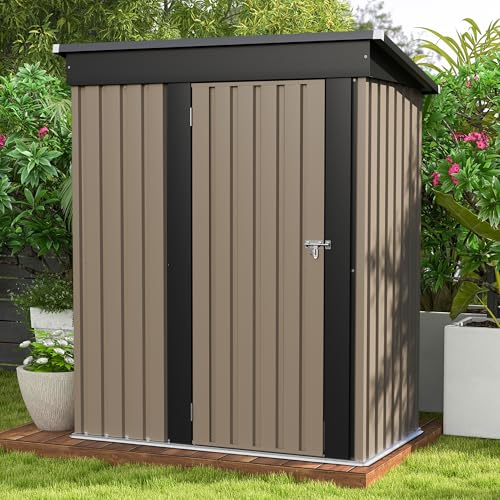
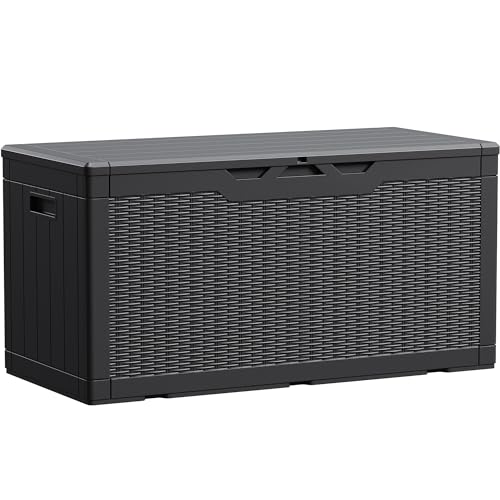
- For heavier pieces, consider a shed or dedicated outdoor storage box.
- Stack smaller items to optimize space while protecting them from the elements.
Additional Barriers
- Place furniture in a sheltered area, such as a porch or under a canopy.
- Use tarps or heavy-duty plastic sheets to create additional protection.
- Elevate items on blocks or a platform to prevent direct contact with icy surfaces.
Regularly check for any gathered snow or ice, removing it promptly to prevent damage, while monitoring for wear on protective coverings as the season progresses.
Choosing the Right Materials for Snow Resistance
Opt for high-quality aluminum frames, which offer excellent corrosion resistance and are lightweight for easy movement. I find that powder-coated finishes enhance durability, preventing peeling or chipping during harsh weather.
Polypropylene is another suitable option, known for its resistance to temperature fluctuations and moisture. Its lightweight nature makes it ideal for easy storage.
Wooden choices require more attention; I recommend treated hardwoods like teak that naturally repel water and resist decay. Regular maintenance with sealants further extends their lifespan under snow.
Textilene fabric is a reliable choice for cushions and seating. It resists mold, fading, and deterioration, ensuring comfort and longevity even in extreme conditions.
For added protection against ice, I suggest investing in weather-resistant covers specifically designed for outdoor settings. These covers shield essential components from moisture and cold damage.
In summary, integrating these materials ensures longevity and minimizes maintenance requirements, allowing your outdoor setup to withstand winter’s challenges effectively.
Using Covers to Shield Your Furniture
Investing in high-quality covers requires careful selection based on material and fit. Look for options made from heavy-duty, waterproof fabric that can withstand the elements year-round. Custom-fitted covers provide a snug fit, preventing wind from dislodging them. Adjustable straps or loops can enhance security.
Material Considerations
Breathable materials help reduce moisture buildup underneath the cover, preventing mold growth. Look for styles featuring reinforced seams for added durability, as this ensures longevity even in harsh conditions. UV-resistant options will maintain their appearance despite prolonged sun exposure.
Maintenance Tips
Regularly check and clean your covers to prevent dirt accumulation, which can cause wear and tear. Store them in a dry, ventilated space when not in use, ensuring they remain ready for the next winter. This practice not only extends the life of the covers but also ensures your items remain well-preserved underneath.
Preparing Furniture Before Snowfall
Before the white blanket covers everything, I always take the time to clean and dry all outdoor pieces thoroughly. Moisture trapped beneath layers can lead to unexpected damage. I use mild soap and water to wipe surfaces, ensuring there’s no residue from summer spills or debris. Afterward, I leave them to air dry completely.
Assessing Structural Integrity
Inspecting each piece for wear and tear is a must. I look for rust, loose joints, or cracks that may have formed during use. Tightening screws and fixing any issues ahead of winter ensures longevity. This proactive approach minimizes risks associated with heavy snow accumulation.
Choosing a Suitable Location
If I can, I relocate items to a sheltered area, away from direct exposure to harsh elements. Storing under a roof, in a garage, or even a shed helps maintain their condition throughout the cold months. If moving isn’t feasible, elevating them off the ground using risers or blocks can assist in preventing contact with groundwater.
Finding the Best Storage Solutions
For optimal preservation of outdoor seating and tables during winter, I recommend investing in dedicated storage options that cater to size, material, and space constraints. Start with a weather-resistant shed or a sturdy storage box designed specifically for outdoor items. Ensure it is spacious enough to accommodate all pieces comfortably, preventing any potential damage caused by tight fits.
Types of Storage Units
Consider options like resin storage containers, which are both lightweight and impervious to moisture. They come with secure lids to keep out water and snow. Wooden sheds add aesthetic value while providing ample space and insulation, but they require regular maintenance. Metal storage solutions are durable but can rust; look for treated options with protective coatings.
Location Matters
Positioning your storage unit is critical. If possible, place it on a raised platform to avoid direct contact with snow and moisture. This approach prevents rust and mildew growth. Additionally, ensure the location is accessible for ease of retrieval as spring arrives.
Regular Maintenance During Winter Months
I inspect my outdoor seating pieces and tables regularly throughout winter. This includes checking for moisture accumulation, which can lead to rot or deterioration.
I make it a point to use a soft brush or cloth to remove any debris or snow that may settle on the surfaces. Keeping these items clean not only enhances their longevity but also reduces the risk of mold and mildew growth.
For metal items, I apply a rust-resistant spray or a suitable wax periodically. This preventive measure shields them against corrosion caused by moisture and cold temperatures.
Wooden structures require specific attention; I lightly sand any rough patches and reapply a weather-resistant finish as needed to maintain the protective barrier against elements.
I also take note of any signs of wear or damage, addressing issues like loose screws or cracks immediately to prevent further deterioration.
Engaging in this routine ensures that my outdoor relaxation areas remain in excellent condition, making them ready to use as soon as warmer days return.
Implementing a Snow Removal Routine
Establish a specific time each day for clearing off any accumulation on surfaces. Aim for early morning, as removing compacted layers is easier before they can refreeze. Keep a dedicated snow shovel or broom right by the access point to ensure it’s readily available.
Utilize a plastic shovel; it minimizes the risk of scratching or damaging various materials. For heavy amounts of accumulation, a snow blower can significantly reduce physical effort while effectively clearing large areas.
Always approach removal with care. Start from the center of the seating or tabletop and work your way to the edges. This method prevents damaging supports or bases. Use caution to avoid abrupt jerks that might splinter or crack surfaces.
Be attentive to prevailing weather patterns. If a winter storm is forecasted, consider preemptively applying a thin layer of a recommended ice melt on surfaces before precipitation begins. This can assist in preventing ice from forming beneath the snow, which can create a more complicated removal process.
After a significant snowfall, assess the conditions and clear snow in manageable sections. If temperatures are expected to rise slightly, waiting until after the thaw may ease the removal burden, as the snow may transform into slush.
Finally, establish a checklist or log to track when the routine is performed. This will help maintain regularity, ensuring your outdoor items remain in splendid condition throughout the harsh winter months.
Using Furniture Weights Against Snow Accumulation
I recommend utilizing weights to secure your outdoor seating and tables when heavy precipitation is anticipated. The right weight can prevent items from being displaced by the wind, which often accompanies winter storms.
Choosing the Right Weights
For optimal stability, opt for weights specifically designed for outdoor use. These can include concrete weights, sandbags, or specific anchoring products. Ensure they are weather-resistant to withstand moisture and avoid degradation.
Placement Techniques
Strategically position weights in various areas of each item. For tables, place them at the base of the legs or across the surface as a balancing method. For chairs, a weight attached to the seat can prevent lifting or shifting. In addition, tying items together with weather-resistant rope can provide extra stability while keeping them anchored.
Regularly inspect the setup to ensure that weights remain in place and adjust if necessary after significant weather events. This proactive approach not only reduces damage due to severe conditions but also prolongs the life of your outdoor arrangements.
Understanding the Impact of Snow on Different Materials
Wood structures can absorb moisture, leading to swelling and cracking. To mitigate this, I ensure I use a sealant designed for outdoor use, which helps create a barrier against water infiltration. Synthetic coatings can offer additional protection, keeping wood intact.
Metal Components
Metal items, particularly those not treated against corrosion, face the risk of rust when exposed to moisture. To counteract this, I recommend selecting aluminum or stainless steel options, as they inherently resist oxidation. For other metal types, a protective coating or regular application of rust inhibitors is beneficial. It’s wise to check for any signs of corrosion before the winter season starts.
Textiles and Plastics
Upholstered goods made from fabric can attract moisture, resulting in mold growth if not cared for properly. Using water-resistant fabrics can minimize this risk. For plastic items, ensure they are UV-stabilized to prevent brittleness during freezing temperatures. I store cushioned elements indoors before heavy snowfall, thereby extending their lifespan.
| Material | Impact of Snow | Protection Methods |
|---|---|---|
| Wood | Moisture absorption leading to damage | Sealant application, use of treated wood |
| Metal | Rust and corrosion | Aluminum or stainless steel selection, rust inhibitors |
| Fabric | Mold growth | Use of water-resistant materials, indoor storage |
| Plastic | Brittleness and cracking | Choose UV-stabilized products |
Tips for Maintaining Appearance After Winter
Regularly clean surfaces to eliminate any residue or ice melt. A mild soap solution works effectively without harming materials.
Use a soft cloth or sponge to wipe down all items, preventing scratches while ensuring aesthetics are preserved.
Inspect for any damage that occurred during the cold months. Address chips or scratches immediately using appropriate repair kits suitable for the specific material.
Apply protective sealants on woods or metals, which will enhance resilience and gloss. This should be done after thorough cleaning.
Utilize conditioners for wicker and fabric items to combat dryness and cracking. Select products that are specifically tailored for outdoor use.
Organize a spring refresher. A thorough wash followed by a strategic rearrangement of your setup can rejuvenate appeal dramatically.
Consider using UV protectors or sprays that maintain color vibrancy. Fade can occur from constant exposure to sunlight.
- Restore cushions and fabrics with gentle fabric cleaners.
- Rotate items occasionally to ensure even wear and sun exposure.
- Utilize a storage shed or garage as a permanent solution for particularly delicate pieces.
Monitoring becomes key as the seasons change. Keep an eye out for pests or deterioration, addressing issues proactively to ensure long-term integrity.


