
 Caleb Turner

Regularly applying a high-quality sealant is the first step I take in ensuring my exterior wooden pieces withstand the harshness of nature. This forms a protective barrier against moisture, UV rays, and temperature fluctuations that can cause deterioration over time.
Choosing a suitable location for placement is equally important. I avoid spots that experience excessive sunlight or are directly exposed to heavy rain. Using coverings, such as tarps or dedicated outdoor covers, offers additional shielding during inclement weather, keeping my items dry and intact.

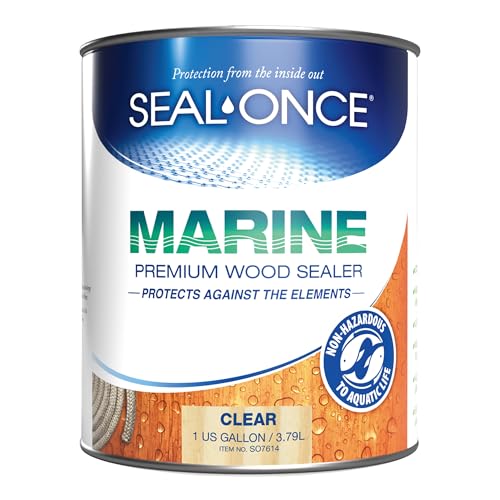

Routine maintenance, such as cleaning with a mild soap solution and soft brush, prevents dirt buildup and mold growth. I also inspect for signs of wear regularly, applying touch-up paint or stain when necessary to prevent larger issues.
Lastly, if storing these pieces during off-seasons is an option, I find it highly beneficial. Keeping them in a dry, controlled environment significantly extends their lifespan. With these practices, I ensure my outdoor treasures remain beautiful and functional for years to come.
Methods of Shielding Outdoor Timber Seating from Weather Conditions
Applying a high-quality sealant is paramount. I prefer a waterproof sealant to act as a barrier against moisture and UV rays. This treatment not only enhances the natural color but also prevents fading and cracking.
Use breathable covers during non-use periods. These custom-fitted protectors safeguard against rain and snow while ensuring air circulation, preventing mold growth.
Regular cleaning is crucial. I typically use a mixture of mild soap and water to wash the surfaces, ensuring that dirt and debris do not accumulate and cause damage.
Positioning seating in shaded areas offers additional protection. Utilizing awnings or umbrellas can mitigate direct sunlight exposure, preserving the finish.
Periodic application of protective oil can rejuvenate and nourish the surface. I recommend using products like teak oil or mineral oil to restore moisture and enhance durability.
| Recommendation | Description |
|---|---|
| Sealant Application | Use a high-quality waterproof sealant for maximum protection. |
| Breathable Covers | Invest in covers that allow air circulation to prevent mold. |
| Regular Cleaning | Clean surfaces with mild soap and water to remove contaminants. |
| Positioning | Shade seating with umbrellas or awnings to reduce sun damage. |
| Protective Oil | Use teak or mineral oil periodically to maintain moisture levels. |
Choosing the Right Type of Wood for Outdoor Use
For longevity, consider teak and mahogany. These species possess natural oils that provide resistance to moisture and insects, making them ideal for the outdoors. Cedar is another solid choice, known for its aromatic properties and ability to withstand the elements while offering a rustic charm.
Other Suitable Options
- Redwood: Highly resistant to decay, redwood maintains its structural integrity without significant maintenance.
- Ipe: This Brazilian hardwood boasts incredible durability and can endure extreme weather conditions while resisting mold and mildew.
- Pressure-Treated Pine: An economical alternative, it’s infused with chemical preservatives that extend its lifespan, although it requires regular sealing for optimal performance.
Considerations for Choosing Wood
- Climate: Analyze local weather patterns. In areas with heavy rainfall, moisture-resistant species are crucial.
- Maintenance: Determine how much time and energy you’re willing to invest in upkeep. Some woods need more regular treatment than others.
- Aesthetic Preferences: Select a wood that complements your surroundings. The color and grain vary significantly across species.
Ultimately, selecting the right timber is fundamental. Prioritize species that align with your environmental conditions and maintenance capabilities for optimal performance.
Applying a Protective Sealant: Step-by-Step Guide
To ensure longevity, I follow these procedures to apply a sealant effectively.
Preparation
- Choose a dry day with a mild temperature, ideally between 50°F and 85°F.
- Clean the surface thoroughly using a stiff brush and mild detergent solution to remove dirt and grime.
- Rinse well and allow the surface to dry completely for at least 24 hours.
Application Process
- Select a quality sealant that suits the type of construct. Look for options labeled as “water-resistant” or “UV-resistant.”
- Use a paintbrush or a roller for even application. I prefer a natural bristle brush for smooth finishes.
- Apply the sealant in the direction of the grain to avoid streaks, ensuring complete coverage.
- For best results, allow the first coat to dry, typically for a few hours, depending on the product guidelines.
- Apply a second coat for enhanced protection, especially in high-exposure areas.
Regularly check the surface for wear, reapplying the sealant annually or as needed to maintain a resilient barrier.
Regular Maintenance Tips for Longevity
Clean surfaces regularly with a soft cloth and mild soap solution to eliminate dirt and grime. Avoid harsh chemicals that can damage the finish.
Inspect joints and hardware every few months. Tighten screws and bolts to maintain stability, preventing structural issues that could arise from wear.
Apply oil or specialized conditioner periodically to maintain moisture levels in the grain. This prevents cracks and extends the life span of the material.
Store items indoors during extreme weather conditions when possible. This simple action reduces exposure to excessive rain, snow, or harsh sunlight.
Utilize covers designed for your specific pieces when they are not in use. This provides an extra layer of defense against various outdoor conditions.
Stay vigilant for signs of mold or mildew. If spotted, treat immediately with a solution of vinegar and water, followed by thorough drying.
Refinish surfaces every few years to refresh the protective layer. Sand lightly before applying a new coat of sealant or stain for better adhesion.
Consider placing items on elevated surfaces or using pads to prevent direct contact with grass or soil, which can trap moisture against the base.
Using Covers to Shield Against Rain and Sun
Investing in high-quality protective covers for my patio pieces is a practical step. These covers are designed to withstand moisture and UV rays, providing a barrier that prolongs the life of my investment. Before purchasing, I consider materials; I prefer options like polyester or vinyl, which offer durability and water resistance.
Measurement accuracy is crucial. I ensure the covers fit snugly to prevent wind from displacing them. Elastic hems or adjustable straps are beneficial features that I look for; they help keep everything secure during storms. For added convenience, I opt for covers with built-in ventilation to decrease moisture buildup and mold growth.
Regularly cleaning the covers enhances their lifespan. I remove any dirt or debris and let them dry thoroughly before storing them. It’s also wise to check the covers periodically for wear and tear, replacing them as needed to maintain optimum protection.
Packing the covers during extreme weather events is a good strategy. In scenarios where strong winds are forecasted, I store my pieces indoors or in a sheltered area, ensuring maximum longevity.
Storing Furniture During Extreme Weather Conditions
I recommend relocating items to a sheltered location such as a garage or shed when severe climate incidents are forecasted. If relocation is not an option, ensure to elevate the pieces off the ground using pallets or similar supports to prevent moisture damage.
Wrap each piece with breathable fabric to shield it from precipitation while allowing air circulation. Plastic covers can trap moisture and cause mold; thus, they should be avoided. For prolonged storage, consider disassembling larger units to save space and reduce strain on joints.
Optimal Storage Solutions
If possible, position items indoors in a climate-controlled area. Unused spaces like an attic or basement can serve as suitable temporary storage. When outdoors is the only choice, invest in high-quality tarps secured with weights to prevent flapping in strong winds.
Preparing for Seasonal Changes
Before severe weather periods, clean and dry each piece thoroughly. Apply a protective layer of wax or oil to enhance durability during storage. Inspect frequently for any signs of wear or moisture retention, addressing issues promptly to maintain condition.
Identifying and Repairing Common Weather Damage
Look for signs of deterioration such as cracking, warping, or peeling paint. These indicate that exposure has taken a toll on your items. If you notice surface cracks, fill them with a suitable wood filler to prevent deeper damage. Sand the area smooth after it dries.
Dealing with Warping
If pieces have warped, applying gentle heat can help reshape them. Use a heat gun and carefully warm the area, then apply clamps to hold it in place until it cools down. For severe warping, consider replacing the affected section.
Addressing Surface Damage
Peeling or faded finishes require sanding to remove old layers thoroughly. After sanding, apply a new coat of exterior-grade finish. This rejuvenates the surface and provides additional shielding against the elements. Regular inspections after extreme weather conditions will help catch issues early, allowing for timely interventions.
Seasonal Cleaning Practices to Enhance Durability
At the onset of each season, I prioritize a thorough cleansing routine. For spring, I remove all debris by using a soft brush or cloth to sweep away dirt, leaves, and pollen. This simple step prevents the accumulation of grime that can lead to deterioration.
During summer, after heavy rain, I rinse surfaces with fresh water to eliminate any remaining pollutants. Additionally, I always check for mold or mildew growth; a mixture of water and mild soap effectively tackles these issues.
Autumn Care Steps
As leaves fall, I ensure to clear them promptly. Leaving leaves trapped can cause moisture retention and staining. I also inspect joints and movable parts for loose screws or wear, tightening or replacing components as necessary.
Winter Preparation
Before onset, I meticulously wash and dry the surfaces, ensuring no moisture is trapped. I then apply a suitable protective coating if needed. This simple care routine minimizes weather-induced wear during harsh conditions.


