
 Caleb Turner

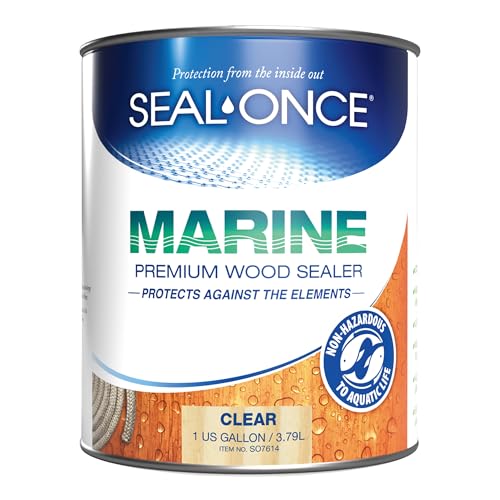
Apply a high-quality sealant specifically designed for porous materials to create a barrier against moisture and UV rays. This essential step will help preserve the surface and prevent warping or discoloration during exposure to the elements.
Regularly maintain the protective layer by cleaning and reapplying the sealant every few months, especially in harsh climates. Choose a product that offers mildew resistance to ensure long-lasting durability.
Consider utilizing outdoor cushions or covers when not in use. This additional layer prevents direct exposure to sun, rain, and dirt, significantly extending the lifespan of your treasured pieces. Opt for breathable materials to avoid trapping moisture underneath.


Store items indoors during extreme weather events. If possible, designate a shaded area for placement during outdoor gatherings to limit direct sunlight. These simple practices can significantly enhance the longevity of your cherished wooden pieces.
Effective Strategies for Weatherproofing Home Accents for External Conditions
Opt for a high-quality marine varnish as a reliable barrier against moisture and UV damage. This product is designed to withstand harsh climatic conditions, ensuring longevity. Apply multiple coats with fine sanding in-between to achieve a smooth, durable finish.
Maintenance Between Seasons
Regularly checking for signs of wear or damage will extend the life of the treated surfaces. Clean with a mild soap solution and ensure they are completely dry before reapplication of any protective finishes. Store items in a dry, shaded space during extreme weather, especially winter months.
Utilizing Covers and Shields
Consider investing in breathable protective covers that can shield your belongings from direct elements while allowing moisture to escape. These covers guard against dust, debris, and prolonged exposure to rain or sun, significantly enhancing durability.
Incorporate silicone-based sealants in joints and seams to further prevent water ingress, ensuring even the smallest cracks are fortified against potential damage.
Selecting the Right Type of Wood Finish
Choosing a finish that can endure external conditions is crucial. I recommend opting for marine varnish, designed specifically for high moisture and UV exposure. This option forms a clear, hard film that can withstand harsh elements.
An alternative is polyurethane, available in both water-based and oil-based varieties. Water-based options are faster drying and less odorous, while oil-based versions provide a richer color and depth. I’ve found the spray application method for polyurethane to be effective, ensuring even coverage.
Another option worth considering is penetrating oil, such as teak or tung oil. These oils deeply absorb into the grain, providing moisture resistance from within. They require reapplication but give a natural look and feel to the surface.
Before applying any finish, proper surface preparation is key. Sanding the surface lightly will enhance adhesion and allow the finish to adhere better, increasing longevity. After this, using a primer can also help in achieving a uniform layer, especially with paints.
Regardless of the choice, always perform a test application on a small area to assess the appearance and durability before full-scale application. Following these steps will ensure a more resilient surface that can face the outdoor environment with confidence.
Preparing the Surface for Outdoor Protection
I always ensure the surface is completely clean before applying any treatment. I start by removing dust, dirt, and debris using a damp cloth. For stubborn stains, I opt for a mild soap solution, ensuring that I rinse thoroughly and allow the wood to dry completely.
Sanding the Surface
Sanding is crucial for promoting adhesion. I use medium-grit sandpaper (around 120-grit) to smooth the surface, followed by finer grit (220-grit) for finishing touches. After sanding, I wipe away all dust using a clean, dry cloth to prepare for further application.
Pre-Treatment Assessment
Before applying any protective layer, I assess the condition of the surface. Any cracks or imperfections need to be filled with a suitable wood filler. Once dry, I sand the filled areas to ensure an even surface, which helps in achieving a uniform look post-application.
Applying Sealants for Maximum Durability
Choosing the right sealant is critical. I prefer products based on polyurethane or epoxy, known for their exceptional resistance to moisture and UV rays.
Here’s a step-by-step guide:
- Clean the Surface: Ensure the area is free from dust, dirt, and old finishes. A clean surface allows the sealant to adhere properly.
- Read Instructions: Familiarize yourself with the manufacturer’s guidelines, including curing times and application methods.
- Test in an Inconspicuous Area: Apply the sealant in a hidden spot to see how the finish interacts with the material.
- Apply Sealant Evenly: Use a high-quality brush or sprayer for an even coat. Work in thin layers to prevent drips and ensure a smooth finish.
- Allow Proper Drying Time: Follow the recommended drying time between coats. This is essential for achieving a robust protective layer.
- Sand Between Coats: Lightly sand the surface with fine-grit sandpaper after the first coat dries to promote adhesion.
- Apply Multiple Coats: Two to three layers can enhance durability and protection against the elements. Ensure each coat is completely cured before applying the next.
- Inspect Regularly: After application, periodically check the surface for signs of wear or damage, applying touch-ups as needed.
Utilizing a high-performance sealant significantly extends the life of my items, maintaining their appearance and functionality. Selecting quality materials and properly applying them is key.
Choosing Weather-Resistant Fabrics for Cushions
Opt for fabrics specifically designed for exterior settings, ensuring durability against elements. Look for materials like solution-dyed acrylic, polyester, or nylon, which retain color and resist fading.
Key Features to Consider
When selecting textiles, prioritize these attributes:
| Feature | Description |
|---|---|
| Water Resistance | The ability to repel water and minimize moisture absorption. |
| UV Stability | Protection against sun damage, preventing degradation and discoloration. |
| Mold & Mildew Resistance | Prevention of fungal growth in humid conditions. |
| Fade Resistance | Long-lasting color retention despite exposure to sunlight. |
Care Instructions
Regularly clean the cushions using mild soap and water. Avoid bleach to maintain fabric integrity. Store cushions indoors during harsh weather to extend their lifespan.
Creating a Regular Maintenance Schedule
I recommend establishing a maintenance routine every season to ensure longevity. Start with a deep clean and inspection of items to identify any wear or damage.
Maintenance Tasks
Here’s a consolidated table of tasks to incorporate into your schedule:
| Task | Frequency | Notes |
|---|---|---|
| Clean surfaces with a damp cloth | Weekly | Remove dust, dirt, and spills. |
| Inspect for signs of wear or damage | Monthly | Check for chipping, fading, or cracking. |
| Reapply sealant or finish | Every 6 months | Ensure a strong protective layer remains intact. |
| Store items indoors during extreme weather | As needed | Protect items from harsh conditions. |
| Inspect and refresh cushion covers | Seasonally | Replace or wash as necessary to maintain appearance. |
Adjust this schedule based on specific environmental factors and personal observations. Regular oversight can prevent extensive damage and costly repairs.
Utilizing Covers to Shield from the Elements
Investing in high-quality covers is a practical step to safeguard your items from the rigors of the outdoors. These protective layers act as a barrier against moisture, UV rays, and debris.
- Opt for breathable materials to prevent moisture buildup. This ensures that condensation does not accumulate, which could lead to mold.
- Choose a cover that has UV protection to limit sun damage. A fabric designed specifically for outdoor use will maintain its integrity over time.
- Ensure the cover fits snugly. Adjustable straps or fasteners can provide a secure fit, reducing the chance of wind dislodging it.
- Test the durability. Look for reinforced seams and double stitching, which will help the cover withstand wear and tear.
- Consider seasonal variations. In harsher climates, heavier covers may be necessary during winter months to combat snow and frost.
Regularly inspect your covers for signs of wear. Replacing them as needed will extend their protective capabilities and enhance the longevity of your possessions.
Controlling Humidity and Temperature Fluctuations
Maintaining a consistent environment is critical for the longevity of materials exposed to external conditions. I’ve found employing a dehumidifier or humidifier to stabilize moisture levels can significantly impact durability.
Utilizing Thermoregulation Strategies
Insulating materials and strategic placement of the items can mitigate temperature extremes. For example, keeping items away from direct sunlight reduces heat damage. Consider using thermal blankets during extreme temperature shifts as an extra layer of protection.
Monitoring Indoor Conditions
Regular checks on humidity and temperature using reliable gauges help identify fluctuations before they cause harm. I recommend maintaining humidity levels between 30-50% and keeping temperatures consistent, ideally between 65-75°F, to create an optimal environment.
Avoiding Common Hazards Like Direct Sunlight
To minimize damage from direct sunlight, I recommend placing items in shaded areas whenever possible. If natural shade is unavailable, consider using outdoor umbrellas or awnings to provide cover.
Implementing Protective Measures
- Apply UV-protective finishes on surfaces. These are specifically designed to absorb harmful rays and prevent color fading.
- Utilize sunshades or mesh screens strategically positioned to block intense sunlight throughout the day.
- Rotate items regularly. By changing their positions, I can ensure uniform exposure to sunlight, reducing the chances of uneven fading.
Choosing the Right Spot
Positioning is key. I prefer placing these items on patios or decks that receive partial sunlight rather than full exposure. Additionally, elevated surfaces can be more challenging for sunlight to damage.
By taking these steps, I can significantly extend the lifespan and appearance of my pieces exposed to the elements.
Storing Furniture During Off-Season Periods
Before stashing away your pieces for the colder months, ensure they’re clean and dry to prevent mold and mildew. Wipe surfaces with a mild soap solution and let them dry completely. I recommend using a soft cloth to remove any dust or debris that can build up during storage.
Optimal Storage Conditions
Choose a climate-controlled environment to protect your items from extreme temperature variations and humidity. Such locations, like a basement or storage unit, should maintain moderate humidity levels to avoid warping. I always opt for a space with sufficient ventilation to minimize moisture build-up.
Arrangement Techniques
When stacking, place protective sheets between the surfaces to prevent scratches. I avoid heavy items on lighter pieces to maintain their integrity. Using pallets or risers keeps the furniture off the ground, preventing water damage from spills or dampness.
FAQ:
What are the best ways to prepare indoor wood furniture for outdoor use?
To prepare indoor wood furniture for outdoor use, you should first clean it thoroughly to remove dust and dirt. After that, apply a protective sealant or outdoor varnish designed for wood, which will help shield it from moisture and UV rays. Additionally, consider adding felt pads to the bottom of the furniture legs to prevent scratches on surfaces, and if possible, store the furniture in a covered area or use outdoor furniture covers when it’s not in use.
Can indoor wood furniture last outdoors if treated properly?
While indoor wood furniture can be treated for outdoor use, its longevity will depend on the type of wood and the quality of the protective products used. Certain hardwoods, like teak or eucalyptus, are more resistant to outdoor conditions. However, even treated indoor furniture may not withstand extreme weather for long periods. Regular maintenance, including reapplication of sealants and cleaning, is necessary to extend its life outdoors.
What types of sealants should I use on my wood furniture?
There are various types of sealants suitable for wood furniture intended for outdoor use. Polyurethane sealants provide a durable, water-resistant layer, while marine varnishes are designed specifically for harsh environmental conditions and can offer superior protection. Additionally, oil-based sealers penetrate the wood and provide a natural finish. Always choose high-quality products that are rated for outdoor use for the best results.
How often should I apply protective treatments to my outdoor wood furniture?
The frequency of applying protective treatments depends on the climate and the type of sealant used. Generally, it’s recommended to reapply sealants every 1-3 years for optimal protection. In harsher climates with extreme weather conditions, more frequent applications may be necessary. Regular inspections can help determine if the protective layer is wearing off and needs to be refreshed.
Are there any specific maintenance tips for keeping outdoor wood furniture in good condition?
Yes, maintaining outdoor wood furniture involves several key practices. Regularly clean it with mild soap and water to remove grime or mildew. Avoid using harsh chemicals that can damage the finish. If you notice scratches or dents, lightly sand the affected area and reapply sealant. During winter or heavy storms, it’s advisable to store the furniture in a dry area or cover it to protect it from the elements. Keeping it off the ground, such as on a patio or surface with proper drainage, can also help prevent moisture-related issues.


