 Caleb Turner

Covering items with durable materials is an immediate step I took. Utilizing slipcovers or thick textiles can form a protective barrier, significantly reducing damage. Selecting fabrics that are resistant to wear ensures longevity and minimizes the likelihood of marks left behind by enthusiastic teeth.
Introducing chew-proof sprays has proven beneficial. These bitter-tasting liquids deter furry friends from biting into surfaces. I applied them on wooden parts and upholstered areas, observing a notable decrease in unwanted gnawing. It’s crucial to apply these products consistently, reapplying as needed to maintain their effectiveness.
Providing alternative choices plays a key role. Chew toys made from robust rubber or nylon can redirect attention away from valuable pieces. I noticed a marked improvement when I consistently offered engaging options that kept my pet occupied. This approach not only protects prized items but also promotes a healthy chewing habit.
Regular training sessions are invaluable. I utilized positive reinforcement to teach what is off-limits and encouraged good behavior. Rewards for avoiding destructive actions reinforced learning. Techniques such as distraction during moments of temptation have made a real difference in my home.



Strategies to Deter Gnawing on Household Items
Applying bitter apple spray to areas that tempt gnawing proves highly effective. This non-toxic deterrent leaves an unpleasant taste, discouraging unwanted behavior. Reapply whenever the scent fades to maintain its efficacy.
Provide Alternatives
Offering chew toys specifically made for canines redirects attention away from treasured items. Select toys that match my pet’s chewing style; durable options made from rubber or nylon can withstand vigorous chewing. Rotating toys frequently keeps interest alive.
Create a Designated Area
Establish a personal space equipped with comfortable bedding and toys for my furry friend. If they have a cozy spot, they’re more likely to stick to their designated area rather than explore areas of interest around the house.
Using barriers such as baby gates or pet pens can also create boundaries and minimize access to attractive objects. Making adjustments to the layout of rooms helps in keeping them away from temptations.
Incorporating positive reinforcement triggers desired behaviors. Praise and treats when my canine focuses on their toys instead of my belongings encourage repetition of good habits. Engaging in games and training provides mental stimulation, reducing the urge to chew.
Choosing Chew-Resistant Furniture Materials
Select durable textiles like microfibre or tightly woven fabrics that can withstand persistent gnawing. These materials offer better resistance than loose weaves, which can be easily damaged.
Consider leather alternatives such as synthetic leather or treated natural leather. These options resist punctures and scratches while providing an aesthetic appeal.
For wooden items, opt for hardwood species like oak or maple. Their density makes it difficult for teeth to leave marks, unlike softer woods which may dent easily.
When selecting upholstery, look for options with high durability ratings, typically indicated by the Martindale or Wyzenbeek tests. Fabrics rated over 30,000 cycles usually perform well under stress.
For cushion fillings, I recommend high-density foam or synthetic blends. They maintain shape despite pressure and reduce the urge for nibbling due to their firmness.
- Microfibre: Strong and easy to clean.
- Synthetic or treated leather: Resilient and stylish.
- Hardwoods: Dense and less prone to damage.
- Durability-rated fabrics: Indicate longevity under use.
- High-density foam: Offers comfort without compromising integrity.
Finally, consider stain-resistant treatments for additional safeguarding against accidental messes. This enhances longevity and maintains appearance despite the wear and tear of everyday life.
Using Dog-Safe Furniture Covers
Choosing appropriate covers has been a game changer in keeping my pieces intact. Opting for durable materials designed to withstand sharp teeth significantly reduces the risk of destruction. Look for slipcovers made from tough fabrics, such as canvas or denim, which not only resist tearing but are also machine washable for easy maintenance.
Material Selection
When selecting covers, prioritize options with high resistance to bites and scratches. Fabrics like microfiber or nylon offer a balance of comfort and durability. I’ve found that these materials not only protect but also provide a pleasing aesthetic to my decor. Investing in covers with a tight weave minimizes the chances of dogs gripping and pulling them apart.
Application Tips
Ensure that the cover fits snugly. Loose covers can lead to more frustration for both pets and owners, as they may shift around, tempting dogs to tug at them. Using additional fasteners or ties can help in securing them tightly. I recommend rotating covers periodically to prevent wear and maintain their appearance. Always check for any fraying or damage after each use, addressing issues promptly to prolong their lifespan.
Utilizing covers specifically designed for pet owners takes the worry out of having four-legged companions around. It’s a proactive step that pays off in preserving my home’s environment while embracing the joy of having a dog.
Training Techniques to Deter Chewing
Utilizing positive reinforcement consistently shapes desirable behavior. When I catch my pet in the act of gnawing, I redirect their attention to an appropriate chew toy, immediately rewarding them with praise or a treat. This strategy reinforces the idea that chewing designated items is favorable.
Establishing a firm “no” command aids in setting boundaries. Each time I observe unwanted chewing, I use a firm tone to verbalize disapproval. Following that, I guide them to their chew toys, ensuring they understand the difference between acceptable and unacceptable items.
Engagement through interactive play is vital. Regularly scheduled playtime offers an outlet for energy. For instance, I incorporate fetch or tug-of-war sessions, which not only strengthens our bond but also distracts from destructive behavior.
Environmental management holds significant importance. I secure valuable items out of reach or use barriers to restrict access to areas where chewing occurs frequently. This minimizes temptation and sets the stage for success.
| Technique | Description |
|---|---|
| Positive Reinforcement | Reward desired behaviors with treats and praise. |
| Verbal Commands | Use a firm “no” to discourage chewing, followed by redirection. |
| Interactive Play | Engage in play to expend energy and reduce boredom. |
| Environmental Management | Remove temptations or restrict access to problematic areas. |
Consistency is key. By combining these techniques and maintaining a steady approach, I have seen significant improvement over time. It becomes easier to train when mutual understanding is established. Regular reinforcement ensures long-lasting effects on their behavior.
Providing Alternative Chewing Options
I recommend sourcing durable chew toys specifically designed for canines. Look for products made from materials like rubber, nylon, or natural fibers, which can withstand vigorous gnawing. Brands such as KONG and Nylabone offer a variety of shapes and textures that engage interest and promote healthy chewing habits.
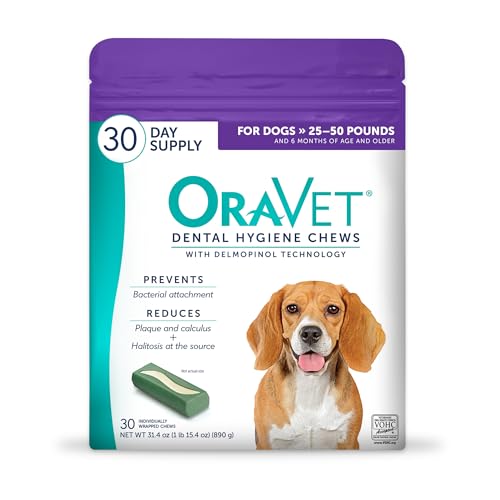
Engaging your pet with edible chews can also be beneficial. Consider items like bully sticks, rawhide alternatives, or dental chews that not only satisfy the urge to chew but also serve as treats that enhance oral hygiene.
Rotating chew items regularly keeps your furry companion intrigued. By introducing new textures and flavors, I’ve found it helps maintain their interest and reduces the risk of them targeting other household items.
Structured playtimes utilizing toys can redirect energy and focus away from destructive behavior. Interactive toys that dispense treats can stimulate a dog mentally, allowing them to channel their chewing instinct in a positive direction.
Finally, providing a designated chewing area can reinforce good habits. Set up a specific location with their favorite chew toys, ensuring they have a comfortable space to enjoy them without distractions. This practice not only minimizes unwanted behaviors but also gives them a sense of ownership and routine.
Applying Deterring Sprays and Solutions
I found that using bitter-tasting sprays can significantly reduce the desire to gnaw on various objects. These products are typically made from natural ingredients like bitter orange or other non-toxic compounds, which are generally safe for animals. It’s crucial to apply these solutions consistently to maintain their effectiveness.
Application Techniques
Before applying, ensure the surfaces are clean and dry. I typically spray a small, inconspicuous area first to check for any adverse reactions. After confirming no issues, I evenly coat the targeted areas according to the manufacturer’s instructions. Reapplication every few days can help maintain the deterrent factor, especially after cleaning or if the scent fades.
Alternative Solutions
If store-bought sprays aren’t an option, creating a homemade solution with vinegar or citrus can be effective. Dilute vinegar with water and apply it to the surfaces. I always test it first on a hidden spot to avoid any damage. The strong odor usually discourages chewing, though regular reapplication is necessary. Additionally, using cayenne pepper mixed with water can serve as another deterrent.
Monitoring your pet’s behavior after applying any deterrent is essential. If chewing persists, it might be helpful to combine these sprays with training sessions focused on redirecting their attentiveness to appropriate materials.
Regular Monitoring and Maintenance Strategies
One effective approach involves frequently checking for signs of wear or damage on all surfaces. I often set a schedule to inspect items weekly, paying attention to corners and edges where my pet may focus their attention. This quick assessment helps catch issues before they escalate.
Adjusting the Environment
Creating a designated space for my canine companion is vital. I place their toys and comfortable bedding in areas that encourage them to stay away from valuable possessions. Regularly rearranging these spots keeps their interest piqued and minimizes the chances of focusing on unwanted targets.
Regular Cleaning
Consistent cleaning not only maintains the appearance of my belongings but also reduces lingering scents that might attract my furry friend. I use pet-friendly cleaning solutions, ensuring that all surfaces are safe while effectively eliminating traces of past activities that could provoke further unwanted behavior.
By integrating these strategies into my regular routine, I can significantly reduce the likelihood of destructive tendencies, creating a harmonious environment for both my pet and my treasures.
FAQ:
What are some effective strategies to prevent dogs from chewing on furniture?
One effective strategy is to provide your dog with appropriate chew toys to redirect their chewing behavior. Make sure these toys are durable and engaging to capture your dog’s interest. Additionally, consider using deterrent sprays specifically designed to discourage chewing on furniture. These sprays are safe for dogs and create an unpleasant taste when licked. Training your dog commands like “leave it” or “no” can help reinforce boundaries around furniture as well. Finally, maintaining a consistent schedule for exercise and play can reduce anxiety and boredom, which are often triggers for destructive chewing.
Are there specific types of furniture materials that are more resistant to dog chewing?
Yes, certain materials are more resistant to chewing than others. Leather and synthetic leather can be less appealing for dogs to chew because of their texture and odor. Similarly, fabrics that are tightly woven, such as microfiber or canvas, tend to withstand chewing better than loose weaves. Solid wood furniture is generally more durable than particle board or softwoods, which are easier for dogs to damage. It could also be beneficial to apply protective coatings or sprays specifically designed for furniture to enhance durability.
How can I modify my dog’s environment to reduce the likelihood of furniture chewing?
Creating a safe space for your dog can significantly decrease furniture chewing. Start by defining areas where your dog is allowed to play and relax, and keep those spaces stocked with safe chew toys. If possible, use baby gates or playpens to limit access to rooms with valuable furniture when you’re not watching. Additionally, managing your dog’s energy levels through regular exercise helps prevent boredom, a common cause of chewing. Providing interactive toys that stimulate their mind can also keep them occupied and distracted from furniture.
What are some signs that my dog may be stressed or anxious, leading to furniture chewing?
Dogs may exhibit various signs of stress or anxiety, including excessive barking, whining, pacing, destructive behavior, and changes in eating or sleeping habits. If you notice your dog chewing more than usual on furniture, it may be a sign of stress. Pay attention to other behaviors, such as licking their lips frequently, hiding, or becoming withdrawn. If you suspect anxiety is the underlying cause, consider consulting with a veterinarian or a dog behaviorist. They can recommend strategies or treatments to help alleviate your dog’s stress.
How can professional training help in preventing dogs from chewing on furniture?
Professional training can offer tailored strategies and techniques to address chewing behavior. A certified trainer can help teach commands and reinforce positive behaviors. They can also provide insight into your dog’s specific habits and triggers, developing a personalized training plan. Consistent training exercises can establish boundaries and teach your dog what is acceptable to chew. Moreover, a trainer can guide you in effectively managing your dog’s environment and needs, making it easier to mitigate furniture chewing issues.