
 Caleb Turner
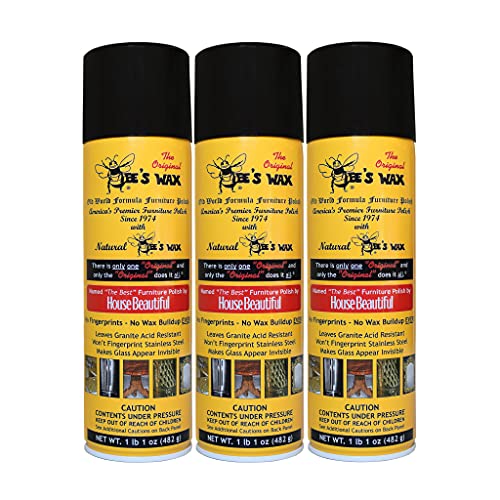
Regularly applying a high-quality furniture polish can significantly extend the life of your cherished pieces. Look for products that include beeswax or carnauba wax, as these help seal the surface and minimize moisture absorption. A gentle buff with a soft cloth after application ensures an even distribution and a beautiful shine.
Maintaining consistent humidity levels in your living space is critical. Aim for indoor humidity between 40-60%. Use a humidifier during dry seasons or a dehumidifier in damp conditions to maintain this balance. This not only protects against deformation but also enhances the overall appearance of your items.
Choosing appropriate placement is vital. Keep these treasures away from direct sunlight or heat sources, as extreme temperatures can exacerbate drying and lead to fissures. Simple adjustments, such as relocating nearby lamps or avoiding proximity to radiators, can make a substantial difference.

Periodically inspect for any signs of wear or damage. Early detection allows for timely repairs, which, in turn, can prevent further deterioration. Small cracks can often be filled with wood filler and sanded down to restore surface integrity, ensuring your pieces remain a point of pride in your home.
How to Maintain Integrity of Wooden Surfaces
Regular moisturizing is my top recommendation. Utilizing a high-quality oil or wax keeps the material hydrated, reducing the likelihood of splits and fissures. I apply it every three to six months, depending on the climate. In drier environments, I increase the frequency.
Temperature and Humidity Control
Maintaining stable conditions in your living space is key. I ensure that the indoor air quality remains balanced, ideally between 40-60% humidity. I use a hygrometer to monitor moisture levels and a humidifier or dehumidifier as needed. This prevents dramatic fluctuations that can lead to damage.
Protection Against Direct Sunlight
I always use curtains or blinds to shield my pieces from harsh sunlight. Ultraviolet rays can cause fading and weakening of the structure. If possible, I position items away from direct exposure, ensuring their longevity while preserving their aesthetic appeal.
Choose the Right Wood Type for Your Furniture
I recommend selecting hardwood varieties like oak, maple, or cherry for durability and resilience. These options naturally resist warping and splitting, maintaining integrity under varying humidity conditions.
Consider softwoods like pine or fir for lighter, more casual pieces, but be aware they might require extra care. For outdoor items, teak or cedar excels due to their moisture-resistant properties.
Always select timber sourced from sustainable forests. Sustainable options not only ensure longevity but also contribute positively to the environment. Checking for certifications can guide you towards eco-friendly choices.
Acclimatizing the selected material to your home’s climate before crafting your items is crucial. This practice allows the wood to adjust to your environment, reducing the likelihood of future issues.
Lastly, reviewing the grain patterns and moisture content can provide insight into the quality of the material. Open, irregular patterns may indicate potential weaknesses, while straight, tight grains usually signify strength and longevity.
Maintain Optimal Humidity Levels in Your Home
To keep your cherished pieces in good condition, I closely monitor humidity levels in my living space, aiming for a range of 30-50%. This balance significantly reduces the risk of damage. I utilize a hygrometer to regularly check the moisture levels and adjust as needed.
When indoor air becomes excessively dry, I find that using a humidifier greatly helps restore moisture. It’s particularly beneficial during winter months when heating systems can strip the air of humidity. Conversely, during more humid seasons, I use dehumidifiers to prevent excess moisture accumulation.
I also ensure proper ventilation by cracking windows slightly or using exhaust fans, which aids in regulating humidity levels. Keeping my home well-ventilated not only promotes a comfortable environment but also helps maintain the integrity of my belongings.
For additional measure, I avoid placing items too close to heating vents or air conditioning units, as these can create uneven temperature and moisture levels. By being mindful of these details, I can better protect my treasured pieces from environmental stressors.
Apply Protective Finishes Regularly
To safeguard against damage, I recommend applying a protective finish to surfaces at least once a year. This barriers moisture and UV rays, reducing the chances of deterioration due to environmental factors.
Types of Finishes
Choosing the right finish is critical. Options include:
| Finish Type | Benefits | Application Method |
|---|---|---|
| Oil-based | Deep penetration, enhances grain | Brush or cloth application |
| Water-based | Quick drying, low odor | Spray or brush application |
| Lacquer | High durability, smooth finish | Spray application recommended |
| Wax | Natural sheen, easy to reapply | Cloth buffing |
Application Tips
Before applying, ensure the surface is clean and free from dust. Lightly sand the area for better adhesion. Apply thin, even coats and allow sufficient drying time between each layer. In humid conditions, consider extending drying times to ensure optimal results.
Avoid Direct Sunlight Exposure
To safeguard my beloved pieces, I ensure they are placed away from windows or areas with intense sunlight. Direct UV rays can cause serious damage, leading to fading and structural weakness in the material.
Here are specific steps I take to minimize sun exposure:
- Use window treatments such as blinds or curtains to filter light.
- Arrange my items strategically in darker spots of the room.
- Add UV-blocking films to windows to reduce harmful rays.
- Rotate my items every few months to ensure uniform exposure to light.
In addition, I utilize protective screens or displays that offer added shielding against sunlight. Regularly assessing the placement of these objects is key to maintaining their integrity over time.
Consider Seasonal Changes
I remain mindful of the differing sunlight angles through the seasons. Adjusting the positioning or shielding strategies throughout the year helps avoid prolonged exposure.
Choose High-Quality Materials
Investing in pieces that are treated with UV-resistant finishes can provide an extra layer of protection against the damaging effects of sunlight, ensuring that my cherished possessions last longer without unsightly wear.
Use Furniture Polish and Conditioners Appropriately
Regularly applying polish and conditioners can significantly enhance the resilience of wooden items. This treatment creates a protective barrier, preventing moisture loss and providing essential nutrients to the grain.
Select Suitable Products
Choose high-quality, silicone-free polishes and natural oils. Avoid harsh chemicals that may damage the finish or underlying fibers. Look for products formulated specifically for your type of timber to ensure compatibility.
Application Techniques
- Clean the surface with a soft, damp cloth to remove dust and grime before applying any conditioner.
- Apply polish sparingly, using a microfiber cloth in circular motions to ensure even coverage.
- Allow the product to absorb for the recommended time before buffing to a shine for a smooth finish.
Frequency of application varies: generally, every 3-6 months should suffice, but more frequent treatments may be necessary in dry environments. Always follow the manufacturer’s instructions for the best results. Consistent care helps maintain a vibrant, durable surface that resists environmental stressors.
Implement Safe Cleaning Practices
Use a damp microfiber cloth for dusting. This reduces the risk of scratches and captures particles without leaving residue. Avoid soaking the cloth; excess moisture can be harmful.
For deeper cleaning, select pH-balanced cleaners specifically formulated for finishes. Test any product on an inconspicuous area before applying it more broadly. This ensures compatibility with the surface.
Steer clear of abrasive materials like steel wool or rough sponges. Instead, stick to soft cloths that won’t scuff or damage surfaces.
Wipe spills immediately using a soft cloth. This minimizes the chance of staining or damaging the finish. If the liquid is sticky or oily, a mild soap solution can help, followed by a dry cloth.
After cleaning, I recommend applying a thin layer of conditioner to maintain the finish. This helps to enrich the material and prevents it from drying out.
Store Furniture Properly During Seasonal Changes
Ensure pieces are placed indoors in a climate-controlled environment when temperatures drop or rise significantly. This helps maintain consistent conditions that support the integrity of the material.
Use Appropriate Covers
Invest in breathable covers to shield surfaces from dust and potential moisture while allowing airflow. Avoid plastic wraps, as they trap humidity, fostering damage.
Choose the Right Location
Select storage areas away from direct exposure to heating or cooling vents. Proximity to these elements can lead to rapid fluctuations in temperature, adversely affecting the structure over time.
Organize items so they do not lean against each other, reducing the risk of pressure points. Consider using off-season storage solutions to prevent overcrowding and allow ample space for air circulation.


