
 Caleb Turner

Choose breathable covers made from waterproof materials to shield your pieces from moisture and humidity. This simple step offers ample protection during rainy seasons.
Regular cleaning with either a mixture of water and vinegar or a specialized cleaner helps eliminate spores before they establish. I make it a habit to wipe down surfaces at least once a month.
When storing items, opt for dry, shaded areas rather than damp basements or garages. Natural airflow is key; stacking pieces tightly can trap moisture and create ideal conditions for growth.
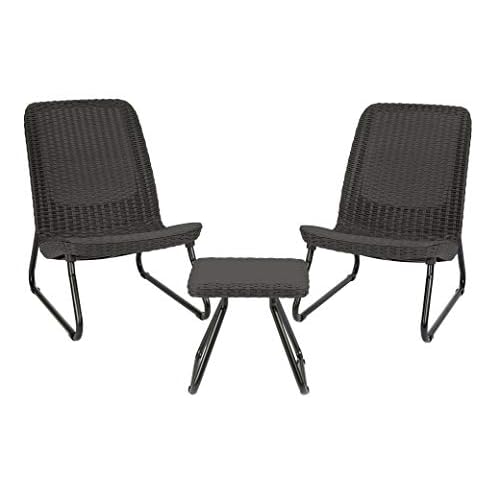


Consider using silicone sprays or sealants that are suitable for the material of your amenities, providing an additional barrier against water penetration. This small investment saves time and effort in the long run.
Lastly, arrange your deck or balcony space to minimize direct contact between surfaces and the ground. Elevating your seats allows proper drainage and airflow, further deterring unwanted intruders.
How to Keep Your Outdoor Seating Safe from Spoilage
Choose breathable fabrics for cushions and covers to enhance air circulation. Materials like Solution-Dyed Acrylic resist moisture and deter growth.
Position your seating in a well-ventilated area, avoiding shaded spots where humidity can accumulate. Sun exposure helps items dry out faster after rainfall.
- Opt for raised tables and chairs, ensuring they don’t sit directly on the ground.
- Store cushions indoors during wet seasons or use waterproof storage when not in use.
- Regularly clean surfaces with a mixture of soap and water, then thoroughly rinse to remove any residues that could foster growth.
Apply a suited protective spray or sealant on wooden pieces to create a barrier against moisture infiltration. Reapply as recommended by the manufacturer.
- Inspect your items regularly for any signs of dampness or discoloration.
- Immediately address any spills or wetness by drying off surfaces and ensuring proper air flow.
- Consider using a dehumidifier in enclosed spaces where you keep your items during off-seasons.
Using these strategies ensures your outdoor seating remains in prime condition, ready for enjoyment at a moment’s notice.
Choose Mold-Resistant Materials for Your Furniture
Opt for furniture made from synthetic materials like plastics and resin that inherently resist moisture accumulation. These materials do not absorb water, minimizing the risk of fungal growth.
Metal components, particularly aluminum, are excellent choices as they are not susceptible to rust and are less likely to harbor unwanted organisms. Ensure protective coatings are applied to enhance durability against weather conditions.
Consider teak or eucalyptus, known for their natural oil content, which deters the proliferation of unwanted organisms. These hardwoods require less maintenance to maintain their integrity and appearance.
Fabrics treated with water-resistant and anti-fungal properties are advisable for cushioned items. Look for outdoor textiles specifically designed to withstand damp environments without harboring intrusive spores.
Always examine product specifications for hints on moisture resistance and ease of cleaning, contributing to longevity and aesthetic appeal. Selecting the right materials from the outset simplifies the upkeep process, making it easier to enjoy your space worry-free.
Protect with a Quality Outdoor Furniture Cover
Using a durable cover is my go-to strategy for safeguarding my patio seating and tables from the elements. Look for covers made of breathable, water-resistant materials that allow moisture to escape while preventing water accumulation. This ensures that air circulation is maintained, reducing the chances of unwanted growth.
Choosing the Right Size and Fit
Ensure that the cover fits snugly over the pieces, avoiding excessive gaps where rainwater or debris can enter. I measure my items beforehand and opt for covers designed specifically for my furniture’s dimensions, which also helps in maintaining its structural integrity.
Maintenance and Care
I regularly clean the covers and check for any signs of wear and tear. It’s crucial to remove dirt and debris, which can trap moisture underneath. Additionally, I make sure that the covers are stored properly during off-seasons, preventing any damage from prolonged exposure.
Store Furniture Properly During Off-Season
I recommend placing your items in a dry, well-ventilated space. A garage or shed works well, but avoid basements or damp areas. Make sure they are thoroughly cleaned before storage to eliminate any residue that could lead to deterioration.
Disassemble When Possible
Taking apart larger pieces can save space and help them fit more snugly in storage. Ensure that all screws and bolts are kept together in labeled bags to avoid losing them.
Use Pallets or Tarps
Elevating your pieces off the floor with pallets or placing tarps underneath them protects against moisture. This barrier helps prevent any contact with potential water pooling if the area experiences flooding or heavy rain.
Clean Your Outdoor Furniture Regularly
I recommend a consistent cleaning schedule, ideally once a month. Use a mixture of mild soap and water along with a soft brush to scrub surfaces. This helps remove dirt and debris that can harbor moisture, which could lead to unwanted growth.
Materials Matter
For cushions, stuff them into a washing machine when possible or hand wash them depending on care instructions. Rinse thoroughly to avoid soap residue which can attract dirt. Dry in the sun whenever feasible, as UV rays help reduce humidity in the fabric.
Attention to Details
Pay special attention to crevices and seams, as these areas often trap moisture. Ensure to dry these spots well after cleaning. Additionally, after rainfall, wipe down surfaces to eliminate excess water that could linger. Keeping the area around the seating clean and dry contributes significantly to maintaining a pristine condition.
Ensure Proper Drainage and Ventilation
For optimal moisture control, I prioritize strategic placement of my seating arrangements. I ensure that they are positioned on surfaces that allow for efficient water runoff, preventing any pooling. Elevating the legs of benches or tables can also promote drainage.
In addition to drainage, adequate airflow is essential. I avoid overcrowding my patio space, which can obstruct breezes. Choosing open designs or opting for fewer items can enhance circulation around each piece.
Using breathable materials for cushions and pads prevents accumulation of dampness. Regularly rotating and fluffing these items also aids in preventing moisture buildup. I routinely check for any blockages around and beneath seating to maintain air circulation.
After rainfall, I make it a habit to tilt seats or tables to encourage water runoff, reducing the likelihood of damp conditions. Employing small fans or heaters might assist in drying wet areas quickly, especially in humid climates.
Lastly, I periodically assess the landscape and surrounding structures for any water diversion issues that could impact my setup. Ensuring that gutters and downspouts function properly helps direct water away from my area.
Use Mold Inhibitors on Wooden Furniture
I recommend applying mold inhibitors specifically formulated for wood surfaces. These treatments penetrate the fibers, creating a barrier that inhibits the development of unwanted spores. The application process is simple: clean the surface, allow it to dry completely, and then spray or brush on the inhibitor. Make sure to follow the product instructions for the best results.
Types of Mold Inhibitors
There are various types of mold inhibitors available on the market. Here’s what to consider when choosing a product:
| Type | Description | Application Frequency |
|---|---|---|
| Water-Based | Low odor, easy to clean up, ideal for indoor applications. | Every 6-12 months. |
| Solvent-Based | Long-lasting protection, but requires proper ventilation during application. | Annually. |
| Natural Options | Use of ingredients like vinegar or tea tree oil, eco-friendly but may require frequent reapplication. | Every 1-3 months. |
Safety Precautions
While applying inhibitors, use gloves and a mask to protect your skin and lungs. Ensure proper ventilation in the area to avoid inhaling fumes. Always test the product on a small area to ensure compatibility with your wood type.
Maintain Optimal Humidity Levels in Outdoor Spaces
To manage humidity effectively, I monitor the moisture content in my yard regularly. Using a hygrometer gives me precise readings, allowing me to take action when the levels are too high.
Implementing the following strategies has significantly improved conditions:
- Introduce drought-resistant plants that require less moisture, thus naturally reducing humidity.
- Incorporate gravel pathways or stones to enhance air circulation around seating areas.
- Use fans or outdoor misting systems to control humidity and create a comfortable atmosphere.
Ensure Adequate Air Circulation
I arrange seating and accessories strategically to promote airflow. Keeping spaces clear of clutter ensures that air can move freely, facilitating drying during wet weather.
Consider Shade Options
Utilizing awnings or strategically placed trees provides necessary shade while preventing the buildup of moisture from direct sunlight. I also adjust these shades based on the season to optimize light and air exposure.
Inspect Furniture Frequently for Signs of Mold
I check my items at least once a week for any indications of unwanted growth. This regular inspection helps catch issues early before they escalate. Look closely at corners, undersides, and areas that may trap moisture. Pay attention to hidden spots like seams and joints, where dampness can accumulate unnoticed.
Utilize Proper Lighting
Good lighting is key during inspections. Natural light can help reveal discolorations or unusual spots that might indicate problems. If natural light isn’t available, I use a bright flashlight to illuminate darker areas, making it easier to spot any irregularities. This proactive approach minimizes future complications and keeps my pieces in prime condition.
Document Findings
Keeping a log of inspections is useful. I note any findings, including areas I treated or cleaned. This tracking allows me to notice recurring issues and adapt my care routine accordingly. If I spot any anomalies, I take immediate action, whether it’s a thorough cleaning or applying protective measures to inhibit growth.


