
 Caleb Turner

I recommend maintaining a humidity level below 50% in your living spaces. Using a dehumidifier can help achieve this, especially in damp conditions. Regularly check the moisture content of your surroundings to ensure it’s at an optimal level for preserving your wooden pieces.
Another effective practice is to keep air circulating around your timber items. Placing them away from walls and ensuring adequate space between pieces can prevent stagnant conditions, which are conducive to fungal growth. Consider using fans in humid areas to enhance airflow.
Applying a suitable protective finish is also a wise move. High-quality varnishes or sealants create a barrier against moisture, thereby reducing the chances of deterioration. Regular maintenance of these finishes will ensure that your wooden belongings are shielded effectively.
Regularly inspecting your items for signs of moisture accumulation or any discoloration is crucial. Should you spot any concerning indications, address them immediately to mitigate damage. Keeping a close watch on your interior environment means staying one step ahead.
Ensure thorough cleaning and drying of any spills on your surfaces without delay. Using a soft, absorbent cloth helps to prevent liquids from sinking in and compromising the integrity of your installations.



Consider placing silica gel packets or moisture absorbers near your treasured pieces. These can effectively draw out excess humidity, adding an extra layer of protection for your installations over time.
Effective Strategies for Avoiding Fungal Growth on Wooden Items
Maintain low humidity levels in your living space. Utilize dehumidifiers or air conditioning to keep the moisture content below 50%. Periodically measure humidity with a hygrometer to ensure optimal conditions.
Ensure proper ventilation in all rooms. Open windows and utilize exhaust fans, especially in high-moisture areas like kitchens and bathrooms. Good air circulation deters dampness and inhibits fungal establishment.
Regular Cleaning Routine
Dust and clean surfaces routinely using a solution of mild soap and water. Follow up with a dry cloth to prevent moisture accumulation. Consider adding vinegar to your cleaning solution for its antifungal properties.
- Wipe spills immediately to avoid saturation.
- Avoid wet mopping wooden floors; use a damp mop instead.
Protective Measures
Apply a high-quality sealant to wooden surfaces. This creates a barrier that repels moisture, reducing the potential for growth. Re-apply the sealant periodically based on wear and tear.
Keep items elevated off the ground. Use legs or platforms to allow airflow beneath, which helps dry out any moisture that may accumulate from contact with floors.
Store wooden products in climate-controlled environments. Avoid basements or attics prone to dampness. Use silica gel packets in storage containers to absorb moisture.
Periodically inspect items for signs of dampness or discoloration. Prompt action at the first sign of issues prevents further damage and promotes longevity.
Understanding the Conditions That Foster Mold Growth
Maintaining low humidity levels is crucial. Aim for a relative humidity of 30-50% in your living spaces. Use a dehumidifier if necessary, especially in damp areas like basements.
Temperature Control
Consistent temperature regulation is key. Mold thrives in warm environments; keep indoor temperatures below 75°F (24°C) to inhibit its development. Regularly check and adjust your heating and cooling systems to ensure they are functioning correctly.
Air Circulation
Promote airflow around your pieces. Arrange your belongings to allow space between surfaces. Use fans or open windows to improve ventilation. This practice minimizes stagnant air, reducing moisture buildup that can lead to growth.
Regular cleaning routines play a significant role. Dust and clean surfaces frequently, particularly in corners and hidden areas. Utilize a mixture of vinegar and water to keep surfaces free from spores.
Ensure any spills or water damage are addressed immediately. Wipe surfaces dry and allow any damp items to air out completely. Quick responses can mitigate potential issues and keep your possessions safe.
Choosing the Right Wood Finish to Prevent Moisture
I recommend using a polyurethane finish for its excellent water resistance and durability. This type of coating forms a protective layer that significantly reduces absorption of humidity. Choose between oil-based or water-based polyurethane, depending on the desired appearance; oil-based options offer a warmer tone, while water-based finishes dry faster.
Consider applying a moisture-repelling varnish, such as marine-grade products, particularly if your items are placed in high-humidity areas. These finishes are formulated to withstand the harshest conditions, making them ideal for areas prone to dampness.
Experimenting with natural oils, like tung or linseed, can also enhance protection. These oils penetrate deeply, providing a degree of moisture resistance while allowing the wood to breathe and maintain its natural look.
Be meticulous with the application process. Multiple thin coats yield better results than a single thick application. Ensuring proper surface preparation by sanding and cleaning will enhance adhesion, further improving the protective barrier against moisture.
After finishing, periodic maintenance by reapplying the chosen finish will help preserve the integrity of the surface. Pay attention to any signs of wear or damage, addressing them promptly to maintain the defense against excessive moisture exposure.
Implementing Proper Ventilation in Your Living Space
Prioritize airflow by opening windows regularly, allowing fresh air to circulate. This simple action reduces humidity levels and diminishes the dampness that supports fungal growth. Consider installing exhaust fans in areas prone to excess moisture, like kitchens and bathrooms, as they actively expel humid air.
Utilize dehumidifiers to control indoor humidity. Aim to keep relative humidity below 50%. This limits the moisture available for fungal spores. Ensure that rooms with heavy furnishings are not overly crowded, which can obstruct airflow; maintain space between larger pieces to facilitate circulation.
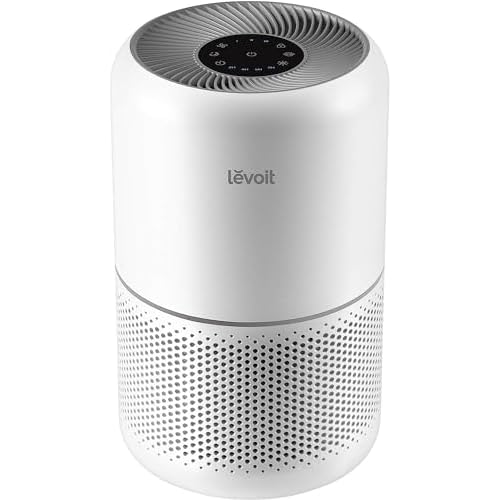
Incorporate air purifiers equipped with HEPA filters. These devices can trap airborne spores, significantly improving indoor air quality. Position units throughout your home, particularly in areas with less natural ventilation.
Regularly check and clean ventilation systems to ensure optimal performance. Dust and debris can accumulate, reducing efficiency. Replace filters in HVAC systems every few months to enhance airflow and maintain a healthy environment.
Finally, consider utilizing natural airflow strategies by strategically placing furniture away from walls and vents. This promotes unobstructed passage for air, helping maintain a drier atmosphere conducive to preserving your belongings.
Regular Cleaning Practices to Reduce Mold Spores
I recommend implementing a consistent cleaning schedule to minimize the presence of spores. This can greatly reduce the risk of fungal growth.
- Dust surfaces weekly with a microfiber cloth. This material effectively traps particles without dispersing them into the air.
- Use a vacuum cleaner equipped with a HEPA filter to remove dust and allergens. This type of filter captures small particles, including spores.
- Wipe down surfaces with a solution of water and vinegar. The acidity of vinegar acts as a natural disinfectant, helping to eliminate potential spore carriers.
- Avoid over-saturating surfaces during cleaning. Use only a damp cloth to prevent excess moisture, which can promote unwanted growth.
In addition to routine cleaning, periodic deep cleaning is beneficial:
- Remove items from shelves and cabinets to access hidden areas.
- Apply a mixture of water and mild soap to clean surfaces thoroughly, followed by a dry cloth to ensure no moisture remains.
- Keep textiles clean, washing soft furnishings and cushions regularly to reduce accumulated spores.
Incorporating these practices into your maintenance routine will significantly enhance the longevity and integrity of your wooden pieces.
Controlling Humidity Levels in Your Home
Maintaining appropriate humidity levels is critical for preserving the integrity of your items. Aim for indoor humidity between 30% and 50%. Using a hygrometer provides precise readings to track changes, allowing me to take timely action.
Utilize a dehumidifier in areas prone to dampness, such as basements or bathrooms. This appliance extracts excess moisture, helping to stabilize indoor air quality. It’s advisable to empty the water tank regularly to ensure optimal performance.
Investing in air conditioning also aids in regulating humidity. Air conditioners cool the air while removing moisture. During hot months, setting the thermostat around 75°F can deliver both comfort and moisture control.
Ventilation plays a role as well. Opening windows or using exhaust fans in kitchens and bathrooms helps keep the air circulating and reduces humidity spikes after activities like cooking or showering. Keeping these areas well-ventilated is vital.
Regular inspections for leaks in pipes, roofs, or windows is crucial. Addressing water intrusion immediately prevents long-term issues. I find it beneficial to check around appliances like refrigerators and washing machines as well.
If I live in a naturally humid climate, consider options such as silica gel or moisture absorbers strategically placed in various rooms to mitigate excess moisture. These products can effectively assist in maintaining balanced humidity levels.
Here’s a quick reference table for humidity control methods:
| Method | Details |
|---|---|
| Hygrometer | Monitor indoor humidity levels. |
| Dehumidifier | Extracts moisture in damp areas. |
| Air Conditioning | Cools and reduces humidity levels. |
| Ventilation | Promotes air circulation, specifically in kitchens and bathrooms. |
| Leak Inspections | Regular checks for water intrusion. |
| Moisture Absorbers | Silica gel and similar products help maintain dryness. |
Identifying and Addressing Water Leaks Promptly
I regularly inspect areas prone to moisture accumulation, such as under sinks, around refrigerators, and near windows. Observing signs like discoloration, peeling paint, or water stains alerts me to potential leaks. If I notice a persistent wet patch, I immediately address the issue by tracing the source, whether it’s a damaged pipe, faulty sealant, or condensation.
Using a moisture meter allows me to detect hidden dampness in surfaces that might not be visibly evident. I make it a point to check the humidity levels in my home, as fluctuations can indicate problems. When tackling leaks, I seal minor cracks with caulk or patch, and consider hiring a professional for extensive repairs. I also monitor my plumbing system regularly, ensuring connections are secure and drainage systems function properly.
If I identify an issue, I take swift action to dry the affected area. Fans and dehumidifiers can expedite this process, significantly reducing the risk of further complications. I allow ample airflow by opening windows and doors to aid in drying out the environment. Following repairs, I keep an eye on the area to confirm that no new moisture issues arise.
Using Natural Mold Resistant Products on Furniture
Applying natural oils like tea tree oil or neem oil can significantly enhance protection against harmful organisms. Mix a few drops with water in a spray bottle, then lightly mist the surface of your items. These oils contain properties that deter unwanted growth while also providing a refreshing scent.
Vinegar as a Cleaning Solution
Utilizing white vinegar is another practical approach. Its acidity creates an inhospitable environment for various microorganisms. Spray undiluted vinegar onto affected areas and wipe with a clean cloth. This method not only helps in cleaning but also leaves a protective barrier.
Beeswax for Added Protection
Incorporating beeswax into the maintenance routine serves dual purposes. It enhances the finish while providing a natural layer of defense. By melting beeswax and applying it with a soft cloth, I create a moisture-resistant layer that prevents absorption and growth.
These natural products, combined with regular maintenance, contribute to the longevity and integrity of my belongings. Consistency in their application ensures a sustainable approach to preservation.
FAQ:
What are the best ways to prevent mold growth on wooden furniture?
Preventing mold on wooden furniture involves a few key practices. First, ensure proper ventilation in the room where the furniture is located. Use dehumidifiers or air conditioners to maintain lower humidity levels, ideally between 30-50%. Regularly dust and clean your furniture to remove any organic material that mold can feed on. It’s also helpful to treat wooden surfaces with mold-resistant sealants or finishes to create a protective barrier. Lastly, addressing any water leaks or spills immediately can prevent moisture accumulation, which is a breeding ground for mold.
How can I tell if my wooden furniture has mold?
Mold on wooden furniture can often be identified by its distinctive smell, which is musty and damp. Visually, you may notice dark spots or patches on the wood surface. If you see any fuzzy growths, that’s a clear indication of mold. If the furniture feels damp or has a significant discoloration, it may also point to mold issues. To confirm the presence of mold, you can conduct a simple test by wiping a damp cloth over the area; if the cloth collects black or green particles, mold is likely present. For health safety, it’s advisable to handle suspected mold carefully to avoid inhaling spores.
Are there specific products I should use to clean mold from wooden furniture?
To clean mold from wooden furniture, it’s best to use a solution of white vinegar and water, or a mixture of mild dish soap and water. Vinegar is a natural mold killer and is safe for most wood finishes. For tougher cases, a solution of 90% water and 10% bleach can be used, but ensure it’s tested on a small, inconspicuous area first to avoid damaging the finish. After cleaning, always dry the area thoroughly to prevent future mold growth. Remember to wear protective gear like gloves and a mask during the cleaning process to prevent health issues related to mold exposure.
What preventative measures should I take during seasonal changes to protect my wooden furniture from mold?
During seasonal changes, particularly transitioning from warm, humid weather to cooler conditions, take specific steps to protect wooden furniture. First, monitor indoor humidity levels regularly and use dehumidifiers if necessary, especially in spring and summer when humidity tends to rise. Ensure all furniture is placed away from external walls and windows to minimize exposure to moisture. Seal any cracks or gaps in windows and doors to prevent drafts that can encourage condensation. Additionally, during winter, avoid placing furniture too close to heating sources since fluctuating temperatures can contribute to moisture buildup. Regularly check your wooden pieces for any signs of moisture or mold and act swiftly if you notice any problems.


