Caleb Turner

Using non-slip pads is a straightforward solution. These small rubber or felt circles can be placed under each leg of your seating or tables. They create friction and prevent any unwanted movement, making your space safer and more organized.
If you prefer a more permanent approach, consider adhesive strips. These can be applied to the bottom of chairs or other pieces, providing a secure grip on the surface below. They come in various materials to suit your aesthetic and functional needs.

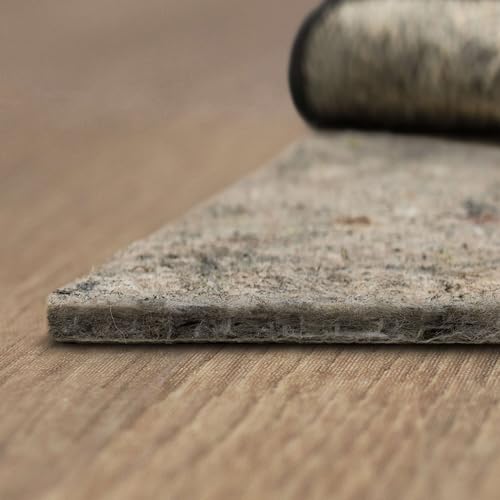

For larger pieces, like sofas, using furniture coasters can distribute weight evenly and minimize the chance of shifting. Look for those made specifically for hard surfaces, ensuring they don’t cause scratches while adding stability.
Additionally, rearranging layouts can help. Placing larger items like bookshelves or cabinets along wall edges can anchor them securely, leaving smaller, lighter pieces in the center of the room.
Experiment with area rugs as well. They can serve double duty–offering cushioning for feet and a visual anchor for your decor, while also reducing movement. Choose textured options to enhance grip, further securing your valuable items in place.
Strategies for Securing Objects on Smooth Surfaces
For stability, applying rubber pads or felt strips to the base of items ensures they remain in place. These materials grip the surface effectively while providing a cushioning effect that protects the floor.
Adhesive anti-slip mats can serve as an excellent foundation beneath larger pieces. Their textured design creates a friction layer between the item and the floor, minimizing unwanted movement.
Utilizing furniture coasters is another practical solution. These often come with a non-slip surface that grips various flooring types while allowing ease of rearrangement when desired.
Organizing weight distribution can also be advantageous. Positioning heavier objects towards the back or center of a space provides additional stability, reducing the risk of toppling or shifting.
Implementing area rugs serves both aesthetic and functional purposes. By placing a rug underneath, I not only enhance the room’s visual appeal but also add traction for items placed on top, significantly reducing movement.
Sometimes, adding a small, strategically placed block or brace on the backside of a piece can provide extra security against sliding, especially for tall or slender shapes.
Regular maintenance checks, like ensuring pads or mats remain intact and clean, also plays a role in ongoing effectiveness. It’s beneficial to replace worn materials promptly to ensure continued stability.
Selecting the Right Furniture Pads
To ensure stability in your living space, the choice of pads is critical. Rubber and felt are two effective materials that provide grip and protection. Rubber pads excel at preventing movement on slick surfaces, while felt pads glide easily, making them perfect for heavier items.
Measuring and Sizing
Measure the feet or base of your items carefully. Ensure that the pads cover the entire area to maximize the holding capacity. Pads come in various shapes and sizes; using the correct dimensions prevents gaps that can lead to slippage.
Adhesive Quality
Select adhesive-backed varieties for a firm hold. High-quality adhesives resist wear and tear, ensuring the pads stay secure. I recommend checking reviews or product specifications to find ones designed specifically for long-term use, especially in high-traffic areas.
Using Non-Slip Area Rugs
Opt for non-slip area rugs as a practical solution to improve stability in my space. These rugs come with a rubberized backing that firmly grips the floor, minimizing movement. I focus on checking for materials that resist slipping for both safety and style.
Consider the following tips when choosing area rugs:
- Select rugs with a solid rubber backing for maximum traction.
- Ensure the size is adequate, covering the full area beneath couches and chairs.
- Look for textured surfaces that provide extra grip, even with foot traffic.
Additionally, place rugs strategically in high-traffic zones where movement occurs frequently. Combining this method with other stabilizing techniques creates a cohesive living space without damaging the surface underneath.
Regular maintenance, such as vacuuming regularly, helps maintain the effectiveness of the rug’s gripping properties. I also reposition them occasionally to maintain a fresh look while ensuring they remain in place.
Implementing Anti-Slip Products
Utilizing anti-slip solutions significantly enhances stability on smooth surfaces. Adhesive anti-slip pads are an immediate recommendation. These pads attach securely to the base of items, creating friction that mitigates movement. Select models with strong grip properties specifically designed for your surfaces.
Types of Anti-Slip Solutions
- Rubber Pads: Great for heavier pieces, rubber pads offer durability and solid traction.
- Felt Pads: Ideal for lighter objects; they add a soft touch while reducing friction.
- Grip Liners: These versatile products can be cut to size and placed under various items for enhanced grip.
Furthermore, placing anti-slip tape along the bottom edges of larger items provides additional stability. This adhesive solution is often more robust than traditional felt pads and ensures a firm hold.
Application Tips
- Clean the surface thoroughly before applying any adhesive product.
- Ensure the chosen solution matches the weight and type of the object for optimal performance.
- Test the applied pads or tape by pushing the item slightly after installation to confirm stability.
Implementing these anti-slip products creates a safer environment, reducing the risk of shifting or accidents in your space.
Adjusting Furniture Placement Techniques
Position larger items against walls to provide stability. Ensure heavier pieces are placed lower down, closer to the ground, creating a lower center of gravity. This arrangement not only enhances stability but also adds aesthetic appeal to the interior design.
Utilizing the Right Angles
Placing your items at angles rather than parallel to walls can minimize movement. This technique reduces the surface area in contact with the floor, providing better traction and stability.
Creating Barriers
Incorporate barriers such as small decorative items or built-in bookshelves to serve as anchors. This method creates a sense of enclosure, discouraging movement while enhancing the overall decor.
Choosing Heavy Furniture Options
Select heavy pieces that add stability and reduce movement. Consider items made with solid wood or metal frames. These materials inherently provide a sturdy base, minimizing the likelihood of shifting.
Incorporating large sofas or sectionals can anchor a space effectively. Their weight, combined with expansive surface areas, creates a firm presence that discourages unintended motion.
Opt for substantial dining tables crafted from hardwood or reinforced materials. When paired with thick, weighty chairs, this combination lowers the risk of any accidental displacement during everyday use.
When selecting beds, choose models with heavy headboards or solid platforms. This not only enhances the aesthetic appeal but also ensures that the bed remains securely in place.
Consider versatile storage solutions, such as sturdy bookshelves or cabinets. Their weight not only supports a significant volume of items but also provides a grounding effect in any room.
| Furniture Type | Material | Weight Category |
|---|---|---|
| Sofa | Solid Wood | Heavy |
| Dining Table | Hardwood | Heavy |
| Bookshelf | Metal/Composite | Moderate to Heavy |
| Bed Frame | Wood/Metal | Heavy |
Selecting such options creates a sense of permanence and stability in any living space.
Regular Maintenance for Stability
I recommend inspecting pads and other anti-slip materials regularly to ensure they remain intact. Clean the surfaces where these items are applied, as dust and debris can reduce grip over time.
A routine check every few months helps identify wear and tear on cushioning and areas rugs, allowing timely replacements. This proactive approach plays a significant role in maintaining stability.
Adjusting the tightness of screws and bolts in upholstered goods contributes to overall sturdiness. Loose connections can lead to movement and instability.
Vacuuming underneath and around large pieces should not be overlooked. Keeping these areas clean prevents dust accumulation, which can affect traction.
For greater grip, consider applying a fresh layer of adhesive spray or liquid products designed for added adhesion to surfaces where pads are used. This simple step can significantly enhance grip.
As seasons change, humidity and temperature fluctuations may affect the material consistency of pads. Keeping an eye on these environmental factors will help maintain optimal performance.
Testing Different Solutions for Best Results
Conducting practical tests with various methods is essential for identifying the most effective strategies. I recommend starting with adhesive pads. These can be affixed to chair or table legs. The surface should be cleaned beforehand to ensure maximum adhesion. After applying, observe how they interact with the floor over a period of time; this will indicate their longevity and effectiveness.
Comparative Testing
Another approach is comparative testing of non-slip area rugs. Purchase several rugs made from different materials and thicknesses. Place them in common locations, then test how well they grip both the floor and the objects placed on them. Assess ease of movement across the rug and the stability provided.
Evaluating Anti-Slip Products
Investigate various anti-slip sprays and coatings. I found it useful to apply these directly on surfaces and then place items on top to measure friction levels. For best results, document the performance over a few weeks. Pay attention to any change in effectiveness after regular cleaning of the floor surface.
Regular testing and documenting these outcomes empowers me to make informed decisions about long-term solutions. Aim for a mix of options and combinations to see what yields the best performance in maintaining stability in the living space.