
 Caleb Turner
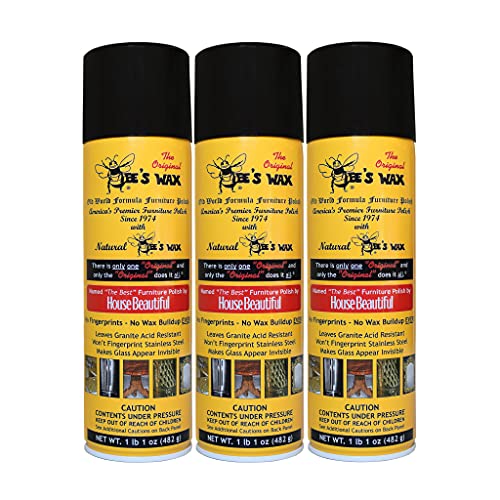
To enhance the appearance of your dark timber pieces, I recommend using a mixture of beeswax and mineral oil. This combination not only nourishes the surface but also provides a subtle sheen that highlights the rich tones of the material. Applying this treatment regularly can help protect against everyday wear and tear.
Before beginning, ensure the item is thoroughly dusted. A microfiber cloth works best for picking up particles without scratching. Afterward, apply the beeswax and mineral oil blend with a soft cloth, working in the direction of the grain. This technique allows for even distribution and prevents cloudy spots from forming.
For deeper cleaning, I suggest a solution of mild soap and water. Lightly dampen a cloth with the mixture, gently wipe away any grime, and immediately follow up with a dry cloth to avoid moisture absorption. This step is crucial in maintaining the integrity of the finish, as excess water can lead to swelling or warping.
Finally, storing items away from direct sunlight is key. Prolonged exposure to harsh light can fade the finish, diminishing its natural beauty. By recognizing these simple yet effective practices, your cherished pieces can remain in excellent condition for years to come.
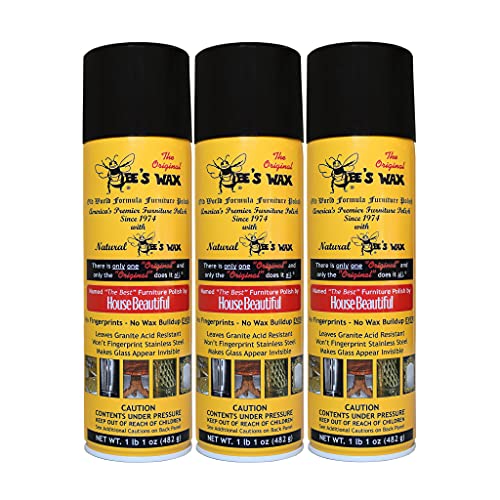


Tips for Restoring Shine to Dark Timber Surfaces
Add a few drops of natural beeswax to a soft, lint-free cloth. This method enhances the sheen without leaving greasy residue. Lightly buff the surface using circular motions, ensuring even coverage. Allow it to sit for a few minutes before buffing again with a clean section of the cloth to achieve a glowing finish.
Natural Alternatives
A mixture of olive oil and vinegar serves as an eco-friendly alternative. Combine in equal parts, apply to a cloth, and work into the grain. This solution not only nourishes but also repels dust and creates a gentle sheen.
Maintenance Tips
Regular cleaning is vital. Use a soft, damp cloth to remove dust weekly. Avoid harsh chemicals that can dull the surface or cause damage. For deeper cleaning, a gentle soap solution may be used, followed by thorough drying to prevent moisture absorption.
Always check for any loose or chipped finishes. Reapply protective coatings as necessary to maintain the surface integrity and appearance over time.
Choosing the Right Polish for Black Wood
The selection of suitable products can significantly enhance the appearance of dark surfaces. I prefer natural waxes or oil-based formulations for their nourishing properties and ability to bring out the richness of the grain.
- Beeswax: Provides a soft sheen and offers a barrier against moisture. Ideal for regular maintenance, it enhances depth while protecting the finish.
- Carnauba Wax: This hard wax gives a brilliant shine and superior protection against scratches. It’s perfect for high-traffic items.
- Oil-based Products: Formulations with tung or linseed oil penetrate deeply, revitalizing and conditioning the material. They are excellent for restoring old or worn finishes.
- Commercial Creams: These are designed specifically for dark surfaces, often containing pigments to help mask minor scratches and enhance color richness.
Before applying any product, test it in an inconspicuous area to ensure compatibility. Always follow the manufacturer’s guidelines for the best results. Regular application will preserve and beautify your treasured pieces.
Preparing the Surface for Polishing
Begin by thoroughly cleaning the surface. Use a soft, damp cloth to remove dust and debris. If there are any sticky residues, a mild soap diluted in water can help. Ensure the surface is completely dry before proceeding.
Assessing Damage
Inspect for scratches, dents, or chips. If necessary, employ a wood filler to repair any imperfections. Allow it to dry completely before sanding the area smooth. Lightly sand the surface using fine-grit sandpaper, following the grain, to avoid further damage.
Surface Preparation Steps
| Step | Description |
|---|---|
| 1 | Wipe with a damp cloth to clear dust. |
| 2 | Use mild soap for sticky spots and rinse. |
| 3 | Dry the surface completely. |
| 4 | Inspect for scratches and chips. |
| 5 | Apply wood filler where needed. |
| 6 | Sand the surface gently with fine-grit paper. |
After ensuring a clean and smooth surface, it’s ready for the next step in enhancing its appearance.
Tools Needed for Polishing Dark Timber
To achieve a flawless sheen on dark maple pieces, I recommend gathering specific supplies before starting. Firstly, a soft microfiber cloth is essential for applying any finish without scratching the surface. Additionally, a fine-grit sandpaper is handy for preparing and smoothing areas that might need attention.
For the application, I use a high-quality leather applicator or a gentle buffing pad to ensure an even distribution of the product. A soft bristle brush is useful for getting into crevices and details, ensuring no residue is left behind. Keep a clean, lint-free cloth nearby for the final buffing stage to bring out the shine.
Investing in a suitable product designed for dark surfaces is key, as it enhances the natural beauty without altering the color. Lastly, I find a drop cloth helpful to protect the surrounding area from any spills or drips.
Step-by-Step Application of Wood Polish
Begin by shaking the container of the chosen finishing product thoroughly to ensure even distribution of components. I find that a consistent mix guarantees optimal results.
I apply a small amount onto a clean, soft cloth, preferring microfiber as it prevents scratches. It’s crucial to avoid saturating the cloth to prevent excess product from pooling.
Starting from a corner, I gently work the finish into the surface using circular motions. This method helps in evenly spreading the treatment while minimizing streaks.
After covering a section, I take another clean cloth and buff the area lightly to enhance the shine. The friction created during buffing activates the components, leading to a smoother appearance.
For deeper luster, I repeat the application process, allowing a few minutes between layers for drying. Monitoring the surface for any areas needing extra attention is essential.
Lastly, I inspect the entire surface once more, ensuring even coverage and a seamless finish before concluding the task. Regular maintenance using this technique can prolong the life of the item significantly.
Understanding Different Finishes on Black Wood
Selecting the finish is crucial for achieving the desired aesthetic and protection. There are several types to consider:
Polyurethane: This finish offers durability and water resistance. It comes in both oil-based and water-based formulations. Oil-based versions provide a warm look, while water-based options are less yellowing over time.
Lacquer: Known for its quick drying time, lacquer provides a high-gloss surface. It’s best for pieces that require a shiny appearance but isn’t as resistant to heat or chemicals.
Satin finish: This option ensures a moderate sheen, ideal for minimizing fingerprints and scratches. It combines durability with a soft appearance, making it a practical choice for frequently used items.
Oil finish: Penetrating oils enhance the natural grain while offering a warm, matte finish. This type requires more maintenance over time compared to surface finishes but is easy to apply and rejuvenate.
Shellac: A traditional finish that provides a rich glow, shellac is made from natural resin. It’s less durable than synthetic options but can be repaired easily with more shellac.
Understanding the characteristics of each finish allows for informed decisions based on usage and desired look. Consider how each type of coating interacts with your specific pieces to enhance both their appearance and longevity.
Addressing Scratches and Dents on Black Wood
To effectively repair imperfections on dark-hued surfaces, I recommend starting with a simple clean. Using a soft, damp cloth, gently wipe the area to remove any dust or debris that may interfere with the treatment process.
Repair Techniques
For minor scratches, a walnut can be surprisingly effective. Rub the meat of the nut over the scratch–its natural oils and pigments will help to mask the blemish. Another option is to use a furniture marker that closely matches the finish of your piece. Apply it gently, and blend it in using a soft cloth.
Dents require a slightly different approach. For small indents, placing a damp cloth over the area and applying heat with an iron can help raise the wood back to its original level. Ensure the iron is set to low heat to prevent damage. Check the area frequently to avoid overheating.
Prevention and Maintenance
After addressing scratches and dents, consider applying a protective coating suitable for dark finishes. This will help minimize future damages. Regular maintenance is key, so periodically check the surfaces and address any new marks as soon as they appear.
| Type of Damage | Recommended Repair |
|---|---|
| Minor Scratches | Walnut or furniture marker |
| Dents | Moist cloth and iron |
Maintenance Tips to Keep Shiny Surfaces
Regular dusting prevents dirt accumulation. Use a soft, lint-free cloth weekly to maintain shine and avoid scratches.
Cleaning Techniques
- Mix warm water with a gentle soap for a safe cleaning solution.
- Dampen a cloth with the solution, ensuring it’s not overly wet, and wipe down the surfaces gently.
- Immediately follow up with a dry cloth to prevent moisture damage.
Periodic Conditioning
- Apply a conditioner every few months to nourish and protect the sheen.
- Choose a product specifically designed for your type of surface finish.
Monitor the environment. Keep items away from direct sunlight to prevent fading. Maintain consistent humidity levels to avoid warping or cracking.
Rotate decorative items occasionally to ensure uniform exposure and minimize wear.
Common Mistakes to Avoid When Polishing
Avoid using harsh chemicals. Products with ammonia or bleach can strip the surface finishes, leading to dullness and damage.
Do not rush the application process. Allowing the treatment to set for the recommended time ensures optimal results. Skipping this step can lead to uneven sheen and inadequate protection.
Using a dirty or inappropriate cloth is another pitfall. Always choose a soft, lint-free fabric specifically designed for this job to prevent scratches or streaks.
Over-using Product
Applying too much liquid creates a residue that can attract dust. A little goes a long way; use just enough to cover the area evenly.
Ignoring Grain Direction
Wiping against the grain can cause micro-scratches. Always follow the natural lines to maintain the piece’s integrity and enhance its beauty.
Forgetting to dust before treatment also leads to problems. Any particles left on the surface can become trapped under the protective layer, affecting the finish.
Neglecting regular maintenance can lead to long-term wear. Establish a routine that includes light cleaning and occasional reapplication for longevity.
Finally, don’t forget to test a small area first. This ensures compatibility with existing finishes and helps avoid irreversible damage.
When to Seek Professional Help for Polishing
Consult a specialist if the surface shows deep scratches or substantial damage. Attempting to correct these issues can worsen them, especially with high-gloss finishes.
If the original finish requires stripping or restoration due to age or wear, professionals wield expertise and tools that safeguard the underlying material.
Consider expert assistance in these scenarios:
- Presence of significant discoloration or fading.
- Complex restoration involving intricate designs or carvings.
- Lack of familiarity with different finish types and their nuances.
- Uncertainty about the right maintenance routine or products.
Seeking guidance is also wise if previous attempts resulted in unsatisfactory results or you are unsure about the correct treatment for your piece.
Lastly, if you lack the time or resources for adequate upkeep, professionals can offer a reliable alternative to maintain the aesthetic and integrity of your investment.


