
 Caleb Turner

I always recommend using a gentle method for caring for my woven items. Start by dusting the surface with a soft cloth or a feather duster. This clears away any accumulation that can lead to dullness. Regular maintenance means these unique creations can really shine.
Next, I prepare a solution of mild soap and warm water. Using a softbrush, I carefully clean between the strands, ensuring no dirt remains trapped in the crevices. Rinse the brush frequently to avoid redepositing grime. After this, I gently wipe with a damp cloth to remove soap residue.


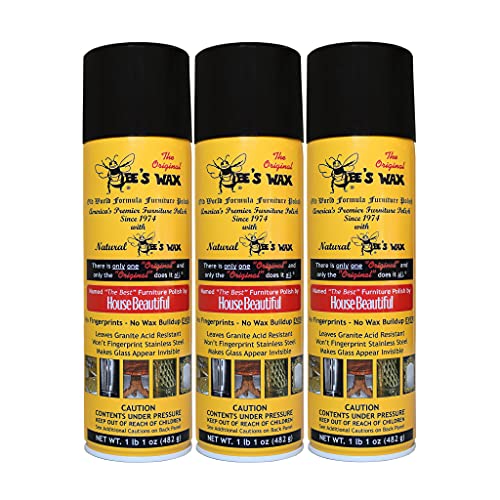
To bring a touch of luster back, I suggest applying a small amount of natural oil, like lemon or olive oil. With a clean cloth, apply it sparingly and buff the surfaces. This encourages a natural glow while providing protective benefits. Allow the items to air dry completely before using or moving them back into place.
Revitalizing Natural Fiber Seating
I utilize a simple blend of natural ingredients to restore the beauty of woven seating surfaces. A mixture of equal parts olive oil and vinegar works wonders. I apply this solution using a soft cloth, gently rubbing it into the weave while ensuring no excess liquid remains.
I find that brushing off accumulated dust and debris is crucial before adding any restorative mix. A soft-bristled brush or a vacuum with a brush attachment effectively removes grime without damaging the delicate threads.
Next, I keep the environment in mind. A well-ventilated area allows the oils to absorb effectively, enhancing the appearance of the material. If desired, I apply a thin layer of beeswax afterward, which adds a protective coating while giving a warm sheen.
Regular maintenance is key. I propose repeating this process every few months to keep the appearance fresh without letting dirt and wear accumulate. Creating a routine not only maintains the aesthetic but also prolongs the lifespan of the pieces.
- Mix olive oil and vinegar in equal parts.
- Use a soft cloth for application, ensuring not to saturate.
- Brush away dust with a soft-bristle brush prior to treatment.
- Consider beeswax as a finishing touch for added shine.
- Establish a maintenance schedule every few months.
With these steps, the intricate design of natural fibers can be both preserved and admired for years to come.
Assessing the Condition of Your Rattan Pieces
Begin by examining the entire structure for stability. Gently shake the item; any wobbling indicates loose joints that require tightening. Look closely at the weaving for signs of wear or damage. If any strands are frayed, it’s essential to consider a repair process.
Surface Analysis
Inspect the surface carefully for blemishes, scratches, or discoloration. A clean damp cloth can help highlight imperfections. If the surface feels rough, it may need smoothing with fine sandpaper. This helps in planning your next steps for restoration.
Environmental Effects
Assess factors such as exposure to sunlight and humidity, as these can lead to fading and deterioration. Items placed in direct sunlight often show signs of bleaching or brittleness. Conversely, humidity can cause mold growth. Determining these environmental influences is key to preserving the integrity of my rattan belongings.
Gathering Necessary Supplies for Polishing
I recommend collecting the following items to ensure optimal results in restoring your woven seating. Start with a soft microfiber cloth; it effectively removes dust and debris without scratching surfaces. Consider purchasing a dedicated brush with soft bristles to reach the intricate details of the weave.
A quality furniture wax or a natural oil can enhance the luster and provide protection. Look for products specifically designed for rattan or wicker, as they contain ingredients that condition and preserve the material. It’s wise to have a small sponge or applicator pad for even distribution of the wax or oil.
Keep a bowl of warm soapy water nearby to clean surfaces before treatment. A gentle solution made of mild dish soap is ideal. Furthermore, protective gloves are essential to shield your hands from chemicals present in some products.
Finally, a vacuum with a brush attachment can help in the initial cleaning phase, ensuring no dirt is left behind. With these supplies gathered, you’re well prepared for the task ahead.
Cleaning Surface Dirt and Dust from Cane
Begin with a soft, lint-free cloth to remove dirt and dust. I find that microfiber cloths work best, as they trap particles effectively without scratching the surface. Lightly dampen the cloth with water, avoiding soaking, to prevent moisture from penetrating the material. Wipe the entire area, ensuring that the fibers are cleared of any debris.
Using a Vacuum Cleaner
If the surface has more stubborn dirt, I recommend using a vacuum cleaner with a brush attachment. This method helps get into the crevices without causing damage or pulling at loose fibers. I usually set it to a low suction to avoid lifting the cane itself.
Cleaning Solution Preparation
For deeper cleaning, I mix a solution of mild dish soap and water. I apply it using a second clean cloth, ensuring it’s only slightly damp. This approach helps eliminate grime while maintaining the integrity of the weave. After cleaning, it’s essential to use a dry cloth to wipe up any excess moisture immediately.
| Cleaning Method | Tools Required | Notes |
|---|---|---|
| Dusting | Microfiber cloth | Use dry to prevent moisture damage |
| Vacuuming | Vacuum cleaner with brush attachment | Low suction recommended |
| Soap solution | Mild dish soap, water, clean cloths | Immediate drying is crucial |
Regular attention to dirt and dust will prolong the life of the piece, maintaining its aesthetic appeal and durability.
Choosing the Right Polish for Cane Material
For optimal results, I opt for a natural wax or a specialized product formulated for wicker or rattan. These options provide a protective layer while enhancing the inherent beauty of the material.
Avoid silicone-based varieties, as they can create a slick surface that traps dust and dirt. Instead, I prefer beeswax or carnauba wax for their natural properties and ease of application. These waxes not only nourish the fibers but also offer UV protection.
When selecting a product, I check for labels indicating non-toxic ingredients, especially if dealing with pieces around children or pets. Additionally, a light oil, like lemon or olive oil, can serve as a temporary solution for conditioning. It’s easy to apply but may require more frequent reapplication.
Before deciding, I always test the polish on a small, inconspicuous area to ensure it reacts favorably with the surface. This prevents any potential damage and helps achieve a uniform finish across the items.
Applying Polish: Techniques and Tips
I begin by applying a small amount of the chosen treatment onto a soft, lint-free cloth. This prevents excess from getting onto the surface. I use circular motions to distribute evenly, ensuring every crevice receives attention. Pay special attention to areas that seem dull or scratched; a bit more product may be needed there.
To avoid buildup, I prefer applying in thin layers. Once the initial application dries, I buff the surface with a clean, dry cloth to achieve a shine. This method not only enhances the appearance but also helps to protect the material.
For intricate designs, I use a cotton swab dipped in the treatment to navigate tight spots, being careful not to saturate the fibers. It’s crucial to keep the environment well-ventilated when using any chemical treatments, as some may have strong odors.
Lastly, I allow the item to sit for a few hours after polishing before using it. This ensures that the solution sets properly and offers optimal protection against future wear.
Repairing Damaged Sections of Cane Furniture
I focus on the restoration of any compromised areas by gathering rattan strands that match the original weave. This can often be found at craft stores or online. If the damage is extensive, consider using fabric strips as a substitute to conceal larger gaps.
Steps for Effective Repair
First, I assess the specific damage to determine if it requires replacement or mere reinforcement. For minor cracks, I apply a specialized adhesive to hold the loosened sections in place. After the adhesive sets, I gently clamp the area to ensure a tight bond.
In cases of complete breakage, I carefully remove the damaged pieces, ensuring not to disrupt the remaining structure. I then weave in the new strands or fabric, ensuring a consistent pattern. Once completed, I secure the ends with an adhesive and clamp again for strength.
Finishing Touches
After repairs, I sand any rough edges lightly to create a smooth surface. Following this, I apply a protective finish that matches the surrounding finish, blending the repairs seamlessly. Regular inspections and proactive maintenance will keep the furniture looking its best long-term.
Drying and Curing Time for Polish Application
I recommend allowing at least 2 to 4 hours for the finish to dry after application. It’s crucial to ensure that all surfaces are fully dried before proceeding to the next steps in the maintenance routine. This drying phase prevents any smudging or damage during handling.
Optimal Curing Duration
The curing process can take up to 24 hours or longer, depending on the environment and the specific type of product used. Factors like humidity and temperature significantly impact this timeframe. Cooler or more humid conditions may prolong the curing time, so keep this in mind when planning maintenance.
Testing for Complete Curing
A simple touch test can help determine if the finish is adequately cured. Lightly touch an inconspicuous area–if it feels tacky, additional curing time is needed. Always allow enough time before using or placing items back on the treated surfaces to ensure integrity and longevity.
Maintaining Wicker Items After Treatment
To keep my woven pieces looking their best after treatment, I follow a few straightforward steps that ensure longevity and beauty.
- Regular Dusting: I use a soft, dry cloth or a feather duster to remove dust weekly. This prevents dirt buildup and maintains sheen.
- Control Humidity: I place these items in a controlled environment, avoiding high humidity, which can lead to mold growth. A dehumidifier works wonders.
- Spot Cleaning: Any spills are cleaned immediately using a damp cloth with mild soap, ensuring I never soak the material. I then dry it thoroughly.
- Periodic Conditioning: Every few months, I apply a conditioning treatment suitable for the material, restoring moisture and enhancing appearance.
- Avoiding Direct Sunlight: I position my items away from direct sunlight, reducing fading and preventing the material from becoming brittle.
- Inspecting for Damage: I routinely check for any signs of wear, fraying, or breaks. Addressing these issues promptly helps prevent further deterioration.
- Using Protective Covers: When not in use, I cover my pieces with fabric or specialized covers to protect them from dust and potential scratches.
By incorporating these habits into my care routine, I ensure that my woven treasures remain a centerpiece in my space for years to come.
Preventing Future Damage to Rattan Pieces
To preserve your wicker creations, apply a thin layer of clear lacquer every few months. This forms a protective barrier against moisture and UV rays, minimizing the risk of fading and deterioration.
Consider placing your items away from direct sunlight to avoid heat-induced warping. Utilize coasters and mats for surfaces to prevent scratches and stains from beverages and food.
Environment and Care Tips
Maintain humidity levels in the room, aiming for a range between 40%-60%. You can use a dehumidifier or humidifier depending on the climate. Regularly dust with a microfiber cloth to prevent dirt buildup that can lead to long-term damage.
For items used outdoors, bring them inside during extreme weather conditions to prevent exposure to rain and snow. Store in a dry area, using breathable covers for additional protection when necessary.


