
 Caleb Turner

Prioritize the impact of light sources. Observe how natural sunlight and artificial lighting interact with potential shades throughout the day. This simple action can reveal nuances in tones and offer insights into how certain hues will resonate within your space.
Consider existing elements in your decor. Analyze the patterns and shades of adjacent walls, flooring, and accessories. Harmonizing selections with these components prevents clashing and ensures a cohesive ambiance. A functional approach to color selection can enhance the overall aesthetic of any room.
Embrace the psychology of shades. Warm tones like reds and oranges create feelings of intimacy, while cooler shades such as blues and greens foster tranquility. Align your choices with the atmosphere you wish to cultivate. This thoughtfulness can transform spaces into personalized retreats.
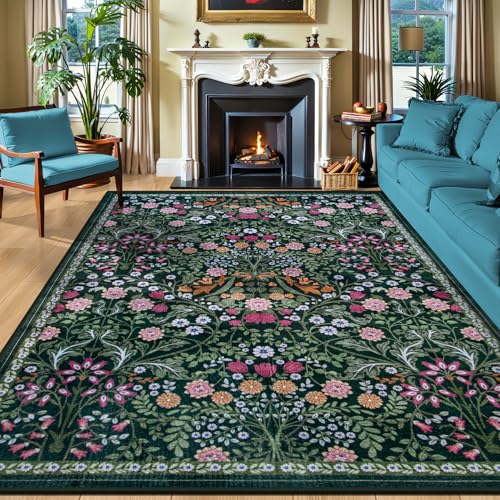


Choosing Shades for Your Space
Select hues that resonate with the mood you want to cultivate. Warm tones like deep reds or rich browns invoke coziness and intimacy, while cool tones such as blues and greens offer tranquility. Analyze the atmosphere–do you prefer calm or energy?
Consider Natural Light
The amount and quality of natural light in your space significantly influence how shades appear. Test paint swatches and samples under various lighting conditions. A tone that looks appealing in daylight might appear dull at night.
Complementing Existing Elements
Assess your surroundings. Pay close attention to wall colors, flooring textures, and decor items. Select tones that harmonize with these components, creating a cohesive aesthetic. For example, if your walls are a soft gray, a soft taupe or muted navy can be a striking match.
| Theme | Recommended Hues |
|---|---|
| Modern Minimalist | Neutral Grays, Whites, or Beiges |
| Rustic Charm | Earthy Browns, Deep Greens |
| Cottage Vibe | Soft Pastels, Light Blues, Peaches |
| Industrial Style | Charcoal, Steel Blue, Bronze |
Combine textures with tones for added depth. Consider mixing matte and shiny finishes to enhance visual interest. For instance, pairing a dark, matte surface with a glossy light-toned item can create a striking contrast.
Understanding Color Psychology in Home Design
I prioritize understanding the emotional resonance of shades when determining a scheme for a space. Each hue has a distinct psychological impact. For optimal results, consider the following insights:
- Warm Tones: Shades like red, orange, and yellow evoke energy and warmth. They are perfect for social areas where interaction is key.
- Cool Tones: Blues and greens promote tranquility and relaxation. These colors suit bedrooms or spaces designed for unwinding.
- Neutral Shades: Grays, whites, and beiges create a calming backdrop and provide versatility. They work well in a variety of contexts, allowing other elements to shine.
- Accent Hues: Integrating bold tones, like deep purple or bright teal, can energize while maintaining a balanced atmosphere. Use them strategically for a focal point without overwhelming the space.
Emotions tied to chromatic choices are significant. For example, blue can reduce stress, while yellow can inspire creativity. Analyze the purpose of the room and the atmosphere desired.
Personal experiences and cultural influences shape preferences. Consider your own associations with certain shades. What feeling do they evoke in you?
- Identify the atmosphere for each space.
- Select shades that align with your emotional goals.
- Test chosen tones in different lighting conditions.
- Seek balance with complementary or contrasting shades.
Regularly evaluate how colors interact with furnishings and accessories. The environment’s mood can shift drastically with variations in light and decor, so adjust accordingly for the best ambiance.
Assessing Your Existing Room Palette
Evaluate your current aesthetic before choosing new additions. Begin by identifying the dominant hues in your space, including walls, flooring, and any existing decor. This will guide you in harmonizing new pieces with the existing scheme.
- Create a Color Inventory: List all major elements in the room – walls, trim, flooring, and any large décor items. Note their shades and overall tones.
- Consider Undertones: Each shade carries subtle undertones that influence how it interacts with other colors. Warm tones like yellows and reds differ significantly from cool tones like blues and greens.
- Neutral Base: If the primary elements are neutral, this opens up broader options for introducing more vivid or contrasting hues. Analyze how new items could add interest without clashing.
- Lighting Effects: Natural and artificial light alters how colors appear. Test swatches in different lighting conditions to see their true effect.
Incorporating these insights will ensure new additions complement the existing palette rather than disrupt it.
Choosing Colors Based on Room Functionality
For living areas, I favor warm tones like beige or soft yellows. These hues create a welcoming ambiance, ideal for relaxation and socializing. When considering a dining space, rich shades such as deep reds or earthy greens enhance appetite and conversation, fostering an inviting atmosphere.
In kitchens, I opt for bright whites or light blues. These shades evoke cleanliness and freshness, which are essential in culinary spaces. For bedrooms, I lean towards soothing blues or gentle pastels, promoting tranquility and restful sleep.
Home Office Inspirations
For a workspace, I often choose invigorating greens or muted blues, which stimulate focus and creativity. A touch of gray can also offer a professional and calming backdrop.
Entertainment Spaces
For media rooms, darker shades like navy or charcoal provide a cozy and immersive experience for movie nights. Accent pieces in vibrant colors can energize the space without overwhelming it.
Selecting shades according to the function of each room not only elevates the atmosphere but also enhances the overall residential experience.
Utilizing Color Samples for Accurate Selection
Always obtain physical samples before making a decision. This step allows for a tangible comparison against your existing decor. Visit a local store or request samples online to explore how shades interact with your room’s natural and artificial lighting.
Testing in Different Lighting Conditions
After acquiring samples, tape them to the wall in the area where you plan to place the item. Observe the samples at various times of the day. Lighting can significantly alter perception, shifting hues from warm to cool. Assess the samples in both bright daylight and dim artificial light to understand their true appearance.
Sampling with Surrounding Elements
Arrange the samples alongside other key items, such as wall paint, textiles, and accessories. This approach helps visualize how different tones blend together, ensuring a harmonious look in your space. It’s also beneficial to observe the samples against your flooring to gauge compatibility.
Creating Balance with Neutral Tones
Incorporating muted shades can substantially enhance harmony in a space. I recommend starting with a base of soft taupes, grays, or creams, as these hues provide versatility while allowing more colorful accents to shine without overwhelming the senses.
Layering Textures
Adding depth through varying textures is crucial. For instance, combine a plush beige sofa with a woven jute rug and silk throw pillows in soft pastels. This not only creates visual interest but also maintains a calm ambiance. Experimenting with different materials like wood, metal, and fabric in neutral shades can further elevate the design.
Accent with Subtle Pops
To prevent neutrals from appearing bland, consider interspersing subtle hints of deeper shades such as olive green or navy blue. A few strategically chosen pieces, like a dark coffee table or an accent chair, can break the monotony while ensuring the overall feel remains balanced. This approach allows the room to breathe while drawing the eye naturally through the space.
Observing how natural light interacts with these muted tones throughout the day will help in fine-tuning the overall look. A neutral foundation with well-placed accents ensures an inviting and cohesive atmosphere.
Incorporating Trends without Overcommitting
To integrate current styles seamlessly, I recommend selecting one or two key accents from trending palettes instead of overwhelming the space. This approach allows for a fresh look while maintaining flexibility for future updates.
Using accessories such as cushions, throws, or art pieces in trendy hues enables me to refresh the ambiance without committing to permanent alterations. This way, if a trend wanes, I can easily replace these items.
Choosing a base tone that harmonizes with a broader spectrum ensures longevity. For example, pairing a muted or neutral backdrop with accent pieces in seasonal trends creates visual interest while providing a classic touch.
When considering new styles, I often analyze how they complement existing elements. This helps in creating a cohesive aesthetic while ensuring that my design remains true to personal taste.
Incorporating textured materials or patterns within trendy shades can enhance depth and dimension, making my environment feel dynamic without being overbearing. Mixing different textures in those modern tones further elevates the overall design.
Regularly assessing and updating accents allows for a responsive approach to changing tastes. This method not only keeps my space current but also invites creativity and exploration in home décor.
Considering Lighting Effects on Furniture Hue
Assessing the impact of different light sources is critical for achieving the desired ambiance in a space. Natural daylight varies throughout the day, altering the perception of hues in a room. It’s advisable to observe how sunlight interacts with shades at different times; a soft morning light may enhance warm tones, while the afternoon sun can intensify cooler shades.
Types of Lighting
Artificial lighting also plays a significant role. Incandescent bulbs produce a warm glow, which can make cooler tones appear muted. Conversely, LED options can yield a bright and crisp appearance, affecting warm palettes. To ensure a cohesive look, I suggest testing samples under your primary light sources, as the same item may look entirely different under varied conditions.
Placement Considerations
Additionally, consider the positioning of your items in relation to windows and light fixtures. Areas that are naturally well-lit can accommodate darker tones without overwhelming the space. On the other hand, dimly lit corners may require lighter shades to avoid a gloomy feeling. Keeping this in mind can help refine your selection, leading to a harmonious atmosphere.
By paying close attention to lighting sources and their interactions with selected shades, I can create an inviting and well-balanced environment.


