Caleb Turner
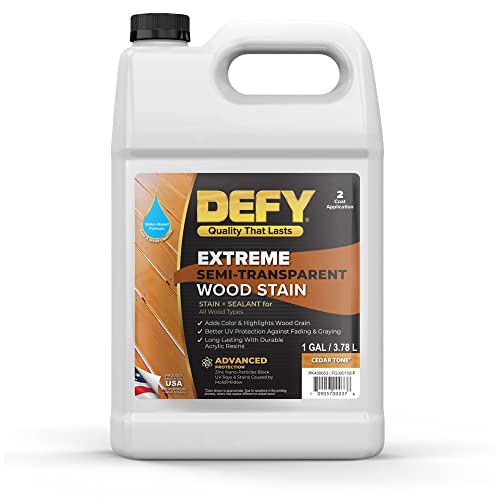
To achieve a rich, aged effect on your wooden pieces, I recommend using a combination of oils and stains. Start with a high-quality tung oil or linseed oil to enhance the natural grains, applying thin layers and allowing ample drying time between coats. This method not only nourishes the surface but also deepens the color, creating a stunning luster that showcases the craftsmanship.
Consider experimenting with different shades of stain. I often blend shades to create a unique, multi-dimensional appearance. Using a sponge or cloth, apply the stain in circular motions to ensure even coverage while avoiding drips. Gradually build up the color until the desired depth is achieved, remembering to wipe away excess product promptly.
After staining, sealing the surface is crucial for durability. I prefer a matte polyurethane for a subtle sheen that protects against wear while maintaining the authentic look of the timber. Apply a thin coat and lightly sand between layers for smoothness. Two to three coats will provide adequate protection, ensuring longevity while enhancing the visual appeal.
Enhancing Character in Wood Pieces
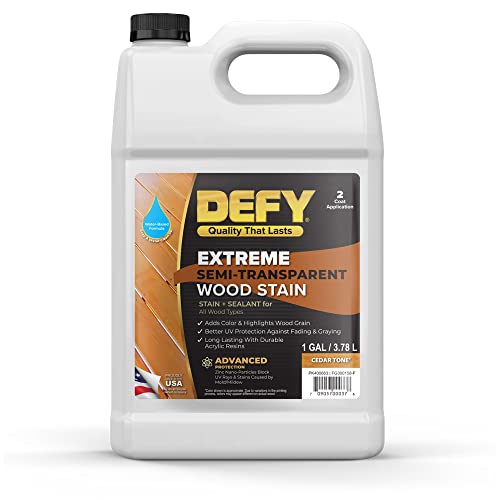
Begin with a clean surface. Wipe down the item using a damp cloth to remove dust and debris. Once it dries, consider applying a stain to bring out the natural hues. Choose a color that’s one or two shades darker than the original tone for depth. Use a brush or cloth to apply the stain evenly, and allow it to penetrate for a few minutes before wiping off excess.
Creating a Distressed Look
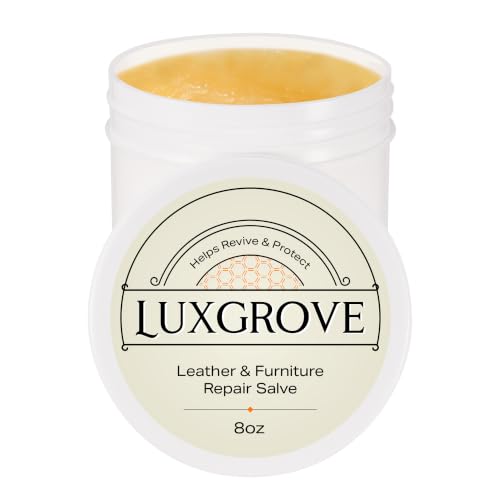
For a more aged appearance, scuff areas where wear would naturally occur. Use sandpaper or a wire brush to gently abrade the surface. Focus on edges and raised areas, which typically show aging first. Following this, apply a darker wax or glaze into these crevices to highlight the wear.
Protecting Your Work
Seal the project with a protective finish once satisfied with the look. Oil-based polyurethane offers durability while enhancing the colors. Use a foam applicator for a smooth finish, and apply multiple thin layers, allowing each to dry completely before adding the next. This will safeguard against scratches and moisture.
Choosing the Right Wood for Patina Effects
For achieving stunning characteristics, I recommend using oak, pine, or walnut. These types have porous structures that respond beautifully to aging processes.
Oak stands out for its grain patterns and natural durability, making it an ideal candidate. Its light color allows for enhanced contrast with darkening techniques.
Pine, with its soft texture, can absorb stains and finishes effectively, creating a warm and inviting appearance. The knots present in pine add unique charm.
Walnut offers rich hues that deepen with time, contributing to a luxurious look. This species is particularly suitable for achieving a vintage aesthetic.
Testing small samples from different species is wise before proceeding. This allows you to see how the finish reacts, ensuring the desired outcome on your main piece.
Consider the final look you wish to achieve. Different specimens may respond uniquely to environmental factors, leading to various results even with the same treatment.
Always ensure proper preparation of the surface, as this significantly influences the absorption and overall effect. A clean, sanded surface allows for better interaction with finishes.
Preparing Your Surface for Application
I recommend cleaning the surface thoroughly to remove dust, dirt, and grease. Use a damp cloth for this step, ensuring no residue is left behind. Allow the area to dry completely before proceeding.
Sanding the Surface
Next, sand the surface using 120-grit sandpaper. This helps create a texture that allows the solution to adhere better. Be sure to sand in the direction of the grain. After sanding, wipe down the surface with a clean, dry cloth to remove any dust particles.
Sealing or Conditioning
Depending on the type of application you intend to use, consider applying a wood conditioner to ensure even absorption. If you prefer a more controlled finish, a clear sealant may be appropriate. Follow the manufacturer’s instructions regarding drying times and application methods.
Selecting Patina Solutions and Techniques
For achieving distinct surface effects, I opt for either chemical or natural solutions. Chemical agents such as vinegar combined with steel wool produce quick reactions, creating aged tones. Alternatively, a natural approach using tea, coffee, or tannin can produce subtler hues. Each has its own application method; the choice depends on the desired outcome.
Types of Solutions
Should you choose a chemical solution, I recommend using products designed for oxidation. An acid-based solution is effective for fast results, while a reactive stain typically offers a more controlled outcome. For a natural alternative, I find using strong brewed tea or coffee provides an organic look. Let the beverage cool, then apply it with a cloth or brush for even coverage.
Application Techniques
The technique of application significantly impacts the final appearance. Using a spray bottle allows for an even misting of solutions, while a brush can create streaks and depth. I recommend testing on a small area before applying broadly, ensuring the technique matches the surface’s texture.
Applying Patina: Step-by-Step Process
First, I ensure my workspace is well-ventilated and protected. Gathering all necessary materials–including gloves, rags, brushes, and the chosen solution–is crucial before starting.
I then prepare the surface by sanding it down to create a smooth base for the application. I typically start with a medium-grit sandpaper, followed by a finer grit to finish. Dust created during this process should be thoroughly cleaned to avoid unwanted particles interfering with the finish.
Next, I apply a base coat if required. This could be a stain that complements the desired effect. I use a clean rag to apply the stain evenly, and I let it dry completely before moving on.
For the application of the aging solution, I carefully follow the manufacturer’s instructions. Using a brush or sponge, I apply the liquid in small sections, ensuring even coverage. I work quickly to prevent any uneven spots from drying.
After applying the solution, I observe the reaction on the surface. Depending on the desired outcome, I might apply a second coat, allowing sufficient time for the first layer to set.
Once I’m satisfied with the depth of color, I allow everything to dry completely, which may take several hours or even overnight for optimal results.
To protect the finish, I apply a top coat of varnish or polyurethane. Using a clean brush, I layer it on carefully, ensuring no drips or streaks. After the top coat dries, I lightly sand it again with fine-grit paper and apply another layer to ensure durability.
Finally, I let the final coat cure for days, observing the changes as the piece completes its transformation. The end result reveals a beautifully aged look that brings character to the item.
Curing and Protecting the Patinated Finish
After creating the desired transformation on your surface, it’s critical to cure the finish properly. Allow the applied solution to dry thoroughly according to the manufacturer’s instructions; this may take several hours or even days. Avoid moving the item during this time to ensure an effective set.
Once cured, consider applying a protective topcoat to extend the lifespan of the finish. Options include oil-based varnishes, water-based polyurethanes, or wax finishes. Each type offers different levels of durability and appearance, so choose based on your specific needs:
| Finish Type | Durability | Sheen Level | Drying Time |
|---|---|---|---|
| Oil-Based Varnish | High | Glossy | 8-24 hours |
| Water-Based Polyurethane | Medium | Matte to Glossy | 2-4 hours |
| Wax Finish | Low | Satin | 24 hours |
For optimal results, apply your chosen protective coat in thin layers using a clean brush or cloth. Between applications, allow adequate drying time. Depending on the product, two to three layers might be needed for effective coverage.
Regular maintenance is key. Clean the surface with a damp cloth and avoid harsh chemicals that could damage the finish. For wax finishes, reapply wax every few months or as needed to keep the surface protected.
By following these steps, I ensure that the transformation remains intact and my creations look stunning for years to come.
Maintenance Tips for Patinated Wood Furniture
I recommend regular dusting with a soft, lint-free cloth to keep surfaces clean and reduce grime buildup. Avoid using water or damp cloths, as moisture can harm the finish.
Cleaning Solutions
- Use a gentle, pH-balanced cleaner specifically designed for treated surfaces.
- For stubborn stains, mix equal parts of vinegar and olive oil; apply sparingly to a soft cloth.
Preventive Measures
- Keep items like coasters or mats on surfaces to prevent scratches from everyday use.
- Position away from direct sunlight to avoid fading and damage.
- Monitor humidity levels to prevent warping or cracking.
Apply a suitable wax or oil finish periodically to nourish the surface. I suggest using beeswax or a natural oil to maintain a rich appearance.
Lastly, inspect for any damage regularly. Address small scratches or blemishes immediately to prevent further deterioration. Using a touch-up stain can help maintain the overall integrity of the piece.