
 Caleb Turner
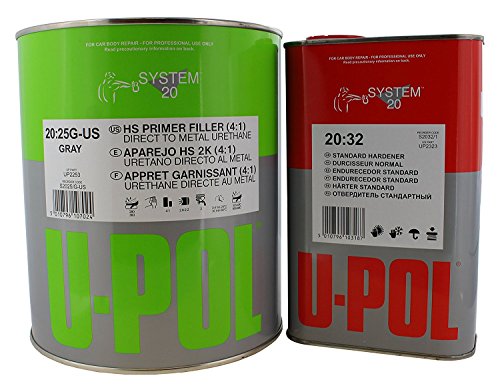
Preparing the surface is key. Begin by cleaning thoroughly to remove grease or dust. I often use a mixture of mild soap and water, followed by a rinse of clean water to eliminate any residue. After cleaning, let the item dry completely to ensure adhesion.
Next, I recommend lightly sanding the surface to create a better grip for the new finish. Use fine-grit sandpaper, focusing on any glossy areas that might repel coatings. After sanding, clear away the dust using a damp cloth to prevent imperfections in the final result.
Choose high-quality primer specifically designed for this type of surface. A good primer ensures that the topcoat adheres evenly and enhances the color. Apply it with a brush or roller in thin, even layers, allowing sufficient drying time between applications for the best outcome.
For the color layer, opt for water-based or oil-based finishes based on your preference for durability and sheen. Stir the product well and apply with smooth strokes to avoid streaks. Multiple thin coats yield a more professional finish than one thick layer. Remember to let each coat dry thoroughly before applying the next.
Finally, sealing the surface with a clear coat gives added protection. This final touch not only enhances durability but also enriches the overall appearance. Enjoy your revitalized piece, showcasing your craftsmanship!


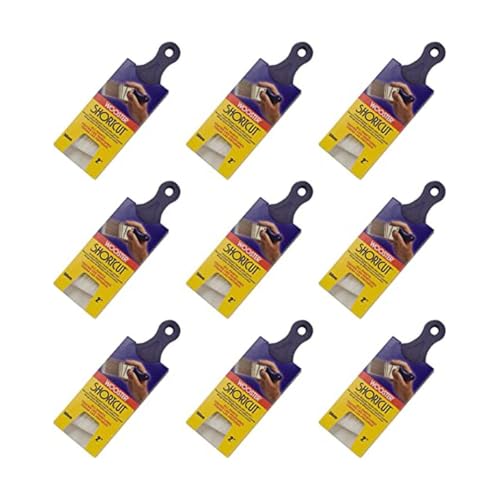

Choosing the Right Coating for Wooden Surfaces
Select a high-quality acrylic or oil-based formulation designed specifically for wooden textures. Both offer durability, but each serves different needs.
Acrylic Options
- Acrylic options dry quickly, making them ideal for indoor projects.
- Vibrant colors that resist fading over time.
- Water-based acrylics are easier to clean up with soap and water.
- Low odor, contributing to a more pleasant working environment.
Oil-Based Variants
- Oil-based choices provide a rich, deep finish and excellent surface adhesion.
- They have a longer drying time, which can be beneficial for blending and touch-ups.
- Offer superior resistance to wear and tear.
- More challenging cleanup, requiring solvents like mineral spirits.
Consider the sheen level as well, ranging from matte to high gloss, depending on your desired aesthetic. For a rustic, natural look, a satin or eggshell finish works best. For a sleek, modern finish, aim for semi-gloss or gloss.
Check the manufacturer’s recommendations for application methods and drying times to achieve optimal results. Always test a small area first before proceeding with the entire surface.
Preparing the Surface: Cleaning and Sanding Techniques
I begin with thorough cleaning to ensure optimal adhesion. Use a mixture of warm water and a mild detergent, applying it with a soft cloth. This removes dust, grease, and any residues from previous treatments. Rinse the surface using another damp cloth and allow it to dry completely.
Sanding for Smoothness
Next, I move to sanding, which is crucial for a flawless finish. I use the following steps:
- Choose the right grit paper. Start with 120-grit for rough surfaces and progress to 220-grit for a fine finish.
- I sand in the direction of the grain to avoid scratches. Circular motions can create an uneven texture, so I focus on straight strokes.
- Pay attention to corners and edges with a sanding block or hand sander for even coverage.
Final Touches
After the sanding process, I wipe down the surface with a damp cloth to remove any dust. Once dry, I inspect the area for imperfections, ensuring a clean base for layering on further coatings. This meticulous preparation sets the foundation for achieving a lasting and beautiful transformation.
Selecting the Appropriate Primer for Optimal Adhesion
The primer I choose significantly impacts the final finish. For achieving maximum grip on surfaces, I recommend using a high-quality oil-based or shellac primer. Oil-based primers create a robust bond on porous surfaces, while shellac primers provide excellent sealing properties, particularly on surfaces with knots or tannins.
For water-based paints, an acrylic primer works well, offering ease of cleanup and quick drying times while still ensuring good adhesion. Ensure the primer is specifically formulated for the surface I’m working on, as this guarantees compatibility.
Before application, I make sure the surface is completely clean and dry. Applying a thin, even coat, I wait for it to dry according to the manufacturer’s instructions. This step is crucial for creating a solid base for the final coat.
If I plan to apply a darker color over lighter shades, a white or light-colored primer is essential to achieve true color representation. Conversely, for dark hues, a dark primer is advisable to minimize the number of paint coats needed.
After I apply the primer, I gently sand the surface with fine-grit sandpaper once it’s fully dry. This ensures any imperfections are smoothed out and enhances the bonding surface for subsequent layers.
Storing the primer correctly is equally important. I keep it in a cool, dry place, sealed tightly to avoid contamination and preserve its effectiveness. By selecting the right primer and following these steps, I enhance the durability and appearance of my restoration projects.
Understanding Different Painting Tools and Their Uses
Choosing the right implements significantly affects the outcome of your project. For smooth application, I recommend brushes with synthetic bristles for water-based finishes and natural bristles for oil-based products. A high-quality angled brush is ideal for corners and edges, providing precision and control.
Rollers
Utilizing rollers can expedite coverage on flat surfaces. Opt for a roller with a medium nap to ensure even distribution, particularly on textured finishes. Mini rollers work well for smaller areas or intricate designs, allowing for detailed work without overloading the applied layer.
Spray Guns
For a flawless and professional finish, spray guns offer an efficient method to achieve an even coat. I suggest using a HVLP (High Volume Low Pressure) spray system; it minimizes overspray and ensures a controlled application. Mask off surrounding areas thoroughly to prevent unwanted splatters.
Don’t forget about auxiliary tools. A good paint tray can facilitate loading brushes and rollers, while painter’s tape safeguards areas for cleaner lines. Additionally, having a stir stick is critical to ensure an even mixture of the coating before use.
Ultimately, each tool has its purpose, and selecting the appropriate ones enhances the quality of your project while simplifying the process.
Applying paint in even strokes: Tips and tricks
To achieve an immaculate finish, I focus on using long, consistent strokes instead of short, choppy ones. It helps to start at one end of the piece and pull the brush or roller toward me, maintaining a steady pressure throughout. This technique prevents drips and uneven areas.
I also utilize a technique called “feathering” at the edges, which involves lightening the pressure as I reach the end of my stroke. This minimizes harsh lines and blends the paint seamlessly into the surrounding area.
Prior to application, I always ensure my applicator is adequately loaded with a moderate amount of product; too much leads to runs, while too little can result in patchiness. A good rule is to initially dip the brush or roller and tap off any excess before beginning.
Working in sections while keeping a “wet edge” is crucial; I aim to overlap the previous stroke slightly as I move along. This prevents lap marks and creates a smooth appearance. If I notice any imperfections during application, I gently adjust the area while the material is still wet.
For large surfaces, using a roller in combination with a brush can be effective. I use a roller for broad areas and a smaller brush for corners and intricate details. Combining these tools allows for better control and superior coverage.
Lastly, patience is key. I allow each coat sufficient drying time as per the manufacturer’s guidelines before applying the next one. Rushing can lead to unsatisfactory results, so I make sure to take my time for an exceptional finish.
Finishing touches: Sealing and protecting your painted furniture
To safeguard the integrity of your newly transformed pieces, applying a high-quality sealer is imperative. Start with a water-based polyurethane for interior projects, as it dries clear and offers excellent durability. I prefer a satin finish for a subtle sheen that enhances the color without overpowering it.
Before application, ensure the surface is completely dry to the touch. Use a clean synthetic brush to apply the sealer, making long, even strokes to avoid streaks or bubbles. Apply the sealant in thin coats; typically, two to three coats are sufficient for optimum protection. Allow each coat to cure thoroughly according to the manufacturer’s recommendations before proceeding to the next.
For surfaces that will undergo heavy use, consider using a higher gloss finish for added durability. For outdoor items, a specialized exterior sealant will provide UV protection and prevent fading.
Once the final coat is dry, lightly sand the surface with fine-grit paper (around 220 grit) between coats to ensure a smooth finish. Wipe down the surface with a tack cloth after sanding to remove any dust before adding another layer.
Taking these steps will not only enhance the appearance of your piece but also extend its lifespan, ensuring it remains a cherished asset in your space. Don’t forget to allow ample time for curing before heavy use. Your meticulous approach will yield commendable results.
Common mistakes to avoid during the painting process
Avoid rushing through the cleaning and preparation stages. Investing time here ensures better results. I always make sure to thoroughly cleanse surfaces to eliminate dust, grease, and old finishes that could interfere with adhesion.
Overlooking drying times
Patience is key. Skipping or shortening drying periods between layers can lead to unsatisfactory finishes. Always check the manufacturer’s recommendations and conduct a touch test before proceeding.
Using inadequate tools
Investing in high-quality brushes, rollers, or sprayers enhances the application experience. Cheap tools often leave streaks or fibers behind, impacting the final look. For intricate areas, I rely on smaller brushes to achieve precision.
| Mistake | Consequence | Solution |
|---|---|---|
| Skipping primer | Poor adhesion and uneven finish | Always apply a suitable primer for best results |
| Not stirring paint | Inconsistent color and texture | Thoroughly mix before application |
| Neglecting protective gear | Health hazards from fumes and dust | Use masks and gloves for safety |
| Ignoring environment | Weather-induced issues | Work in a controlled, dust-free area |
Keeping these common pitfalls in mind can lead to smoother execution and more satisfying outcomes. Always take the time to plan and prepare, ensuring that each step contributes positively to the final masterpiece.
Maintaining Your Painted Furniture: Care and Cleaning Advice
For a lasting finish, I recommend using a soft, damp cloth for regular cleaning. Avoid harsh chemicals that can strip the surface. Instead, opt for a mild soap solution to maintain shine without damage.
Keep surfaces free from dust and debris by dusting weekly. This simple routine prevents scratches when objects are placed on the surface.
If spills occur, clean them instantly to prevent staining. Blot the area gently with a clean cloth rather than rubbing, which can harm the finish.
Occasionally, I apply a furniture wax or a dedicated sealant to enhance the protective layer. This additional coat helps repel moisture and dirt, prolonging the appearance of your project.
Monitor environmental conditions, as extreme temperature changes and humidity can affect the integrity of the finish. When possible, place your items away from direct sunlight or extreme heat sources.
For touch-ups, keep extra paint handy. Address scratches or chips promptly to maintain a cohesive look. A small brush can allow for precise application on affected areas.
Finally, avoid placing heavy objects on your surfaces for extended periods, as this can lead to dents or uneven wear. Rotate items periodically to distribute weight evenly across the surface.
FAQ:
What supplies do I need to paint wooden furniture effectively?
To achieve a professional look when painting wooden furniture, you will need several key supplies. Firstly, gather sandpaper or a sanding block to smooth the surface of the furniture. You’ll also need primer, especially if you’re transitioning from a dark to a light color or if the wood has a glossy finish. For the paint, choose a high-quality acrylic or latex paint, depending on your preference. Don’t forget about paintbrushes and rollers for application, as well as a drop cloth to protect your work area. Lastly, consider having a clear sealant on hand to protect the paint job once it’s dry.
Can I skip sanding the furniture before painting?
Skipping the sanding process is not advisable if you want a smooth and long-lasting finish. Sanding helps to create a better bond between the paint and the wood. It removes any prior varnish or paint and scuffs the surface, allowing the new paint to adhere effectively. If the wood is already quite smooth and in good condition, you might be able to lightly scuff it, but a thorough sanding is recommended to eliminate imperfections and ensure the best results.
How should I prepare my wooden furniture before I start painting?
Preparation is one of the most important steps in painting wood furniture. Begin by cleaning the surface to remove any dust, grease, or old wax, which can interfere with the paint adhesion. Next, if necessary, disassemble any removable parts like knobs or legs. After cleaning, sand the entire surface to create a rough texture, then wipe it down with a damp cloth to remove dust particles. Once this is complete, apply primer if needed, as it helps create a uniform base for the paint.
What type of paint finish should I choose for my furniture?
Your choice of paint finish will greatly affect the appearance and durability of your furniture. A matte or eggshell finish offers a more subtle look and can hide imperfections well, while a satin or semi-gloss finish provides a more polished aesthetic and is easier to clean. If your furniture will see heavy use, a high-gloss finish could be beneficial since it is the most durable and stain-resistant. Ultimately, your decision should align with the look you want and the functional requirements of the furniture.
How can I ensure my paint job lasts and looks good over time?
To guarantee a long-lasting and attractive paint job, proper application is essential. After preparing and sanding the surface, apply a quality primer and allow it to dry completely. Use thin, even coats of your chosen paint, ensuring each layer dries fully before applying the next. A clear sealant or topcoat can provide additional protection, especially for surfaces that are frequently used. Finally, allow the paint and sealant to cure fully, which may take several days, before using the furniture regularly. Proper care, such as avoiding harsh cleaners and direct sunlight, will also help preserve your painted piece.
What materials do I need to paint wood furniture?
To paint wood furniture effectively, you’ll need several materials. Begin with a high-quality paint suitable for wood, such as acrylic or chalk paint. You’ll also need a primer for better adhesion, especially if you’re covering a dark or glossy surface. Essential tools include brushes (various sizes for detail and broader strokes), a roller for larger surfaces, and a paint tray. Don’t forget sandpaper (medium and fine grit) for surface preparation, rags for cleaning, and a sealant to protect the finish after painting. Lastly, ensure you have drop cloths to protect the surrounding area from spills and splatters.


