
 Caleb Turner

Begin with a thorough cleaning of your pieces using a mixture of warm water and mild soap. A soft cloth or sponge works well to eliminate dust and grime, ensuring a smooth application of your chosen coating.
After the surface dries completely, lightly sand the wood to create texture for better adhesion of the coating. Choose a fine-grit sandpaper to avoid damaging the surface. Wipe away the dust with a slightly damp cloth to prepare for the next step.
Select a high-quality primer specifically designed for wood to enhance the finish and durability. Apply it evenly, allowing it to dry as per the manufacturer’s instructions. This step is crucial for achieving a long-lasting result.
Once the primer is dry, I prefer using a semi-gloss or satin finish for added richness. Apply thin coats for a smooth outcome, ensuring that each layer dries fully before applying the next. This method not only improves the appearance but also prolongs the lifespan of the surface.


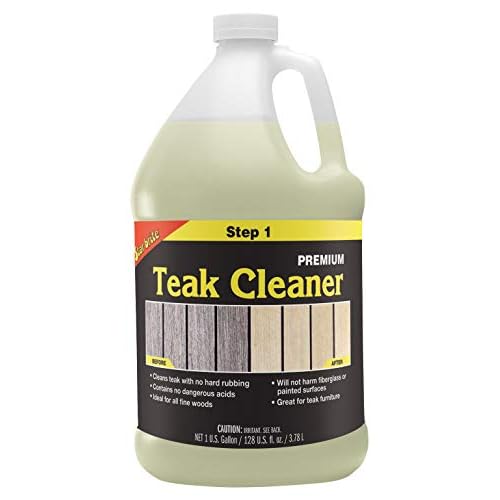
Innovative Techniques for Transforming Your Teak Pieces
Begin with a thorough cleaning of the surface using a mixture of mild soap and water. Ensure all residues are removed, then allow it to dry completely. This step prevents any impurities from interfering with adhesion.
Prepping the Surface
Sand the wood with fine-grit sandpaper (220-grit recommended) to create a smooth texture. Focus on areas that may have imperfections or previous finishes. This will help the new layer adhere more effectively. After sanding, wipe the dust away with a damp cloth and let the surface dry.
Choosing the Right Products
Select a high-quality primer specifically designed for wood. Applying a primer enhances the durability and longevity of the finish. After priming, let it cure as per the manufacturer’s instructions. Follow this with a premium acrylic or enamel finish, applying multiple thin coats to achieve an even look.
| Step | Action | Details |
|---|---|---|
| 1 | Clean | Mild soap and water mix |
| 2 | Sand | Use 220-grit sandpaper |
| 3 | Dust Removal | Wipe with a damp cloth |
| 4 | Prime | High-quality primer application |
| 5 | Finish | Acrylic or enamel, multiple coats |
Ensure ample drying time between each coat. Once completed, inspect for any imperfections and sand lightly if necessary before applying additional layers. This process will revitalize your pieces, enhancing their appearance while providing lasting protection.
Choosing the Right Type of Paint for Teak
Opt for a high-quality acrylic or latex formulation that provides excellent adhesion and flexibility. These options resist chipping and peeling, essential for maintaining a smooth finish over time. Consider using semi-gloss or satin finishes, as they not only enhance aesthetics but also offer easier cleaning and better durability.
If the intention is to achieve a traditional look, a natural oil-based stain could complement the wood’s unique grain patterns while providing a protective layer. Make sure to choose products specifically labeled for use on oily woods to ensure proper bonding.
For a more contemporary appearance, look into water-based paints that are eco-friendly and quick-drying. They typically have lower VOCs, making them safer for indoor applications. Always check compatibility with the existing surface and perform a small test patch to ensure the desired outcome before proceeding with the entire piece.
Investing in primer is another crucial step. A good-quality primer designed for wood will enhance paint adherence and help prevent issues like bleeding or discoloration. If you select a light color, a tinted primer can significantly improve coverage and vibrancy.
Evaluate the intended use and location of the item. If exposed to sunlight, UV-resistant products will help maintain color and gloss, while moisture-resistant formulations are vital for areas prone to humidity. Paying attention to these factors can greatly enhance the durability and appearance of your woodwork.
Preparing Teak Objects for Coating
I recommend beginning with a thorough cleaning process. Use a mixture of mild soap and warm water to remove any dirt or grease. A soft cloth or sponge works well for this task. Ensure you rinse the surface with clean water to eliminate any soap residue.
Assessing Surface Condition
Inspect each piece for any existing damage, such as scratches, dents, or chips. Address these issues before applying any coating. For minor scratches, use fine-grit sandpaper (around 220 grit) to smooth the surface. For deeper imperfections, consider wood filler to achieve a flush finish.
Sanding Process
Sand the entire surface lightly to promote adhesion. Follow these steps:
- Start with medium-grit sandpaper (around 120 grit) to remove the old finish.
- Switch to fine-grit sandpaper (220 grit) to create a smooth texture.
- Always sand in the direction of the grain to avoid scratches.
After sanding, vacuum or wipe down the surface with a damp cloth to eliminate dust particles.
Before proceeding, ensure the space is well-ventilated. Allow the wood to dry completely if you’ve used any cleaning solution. Confirm that the environment is free from direct sunlight or humidity fluctuations, as these factors can affect the final outcome.
Cleaning and Sanding Techniques for Teak
Begin with a thorough cleaning process. I mix a mild soap with warm water and use a soft cloth or sponge to remove dirt and grease. It’s crucial not to use abrasive materials that could scratch the surface. After washing, I rinse with clean water and let it dry completely.
Removing Existing Finish
If the item has a previous coating, using a chemical stripper can be effective. I apply the stripper with a brush and allow it to sit as per the instructions. Scraping off the old finish with a plastic scraper follows. After stripping, I clean the surface again to ensure all residues are gone.
Sanding Methodology
With the piece dry and clean, I proceed to sanding. I prefer starting with 120-grit sandpaper, gently working the surface to eliminate imperfections. Following that, I move to 220-grit for a smoother finish. It’s important to sand in the direction of the grain to avoid any scratches. A sanding block or an orbital sander can help achieve an even surface.
Between different grits, I wipe down the surface to remove dust. This step ensures that the subsequent grit has a clean area to work on. Before applying any coating, I give a final wipe with a damp cloth to eliminate any remaining debris.
Applying Primer on Teak Surfaces
For optimal adhesion and a smooth finish, I recommend using a high-quality primer designed for oily woods. Begin by ensuring the surface is completely clean and free from dust or debris. A tack cloth can be effective for this purpose.
Using a brush or roller, apply a thin, even coat of primer, making sure to cover all areas thoroughly without over-saturating. Pay special attention to corners and crevices where build-up may occur. If the primer appears uneven, it’s wise to lightly sand the surface with fine-grit sandpaper after it dries, ensuring a consistent texture before proceeding to the next step.
Drying Time Considerations
Allow the primer to dry completely as per the manufacturer’s instructions. This can take anywhere from one to several hours, depending on environmental conditions. To ensure proper curing, I often wait an extra day before applying additional layers of finish.
Assessing Coverage
After the initial coat dries, check for any missed areas or spots that may need additional coverage. If necessary, apply a second coat of primer to achieve a uniform base. This extra layer helps enhance the final color and longevity of the subsequent coatings.
Best Practices for Painting Teak Furniture
For a successful transformation of your wooden pieces, focus on selecting high-quality tools and materials. A good brush or roller will yield smoother application and better results.
Preparation is Key
- Ensure your workspace is well-ventilated. Good airflow helps the drying process and minimizes the inhalation of fumes.
- Choose a drop cloth to protect floors and surrounding surfaces from accidental spills.
- Use painter’s tape to mask off areas you want to keep untouched, ensuring clean lines and a professional finish.
Layering Technique
- Apply thin coats rather than one heavy layer. Thin layers reduce the risk of drips and provide a more even appearance.
- Allow adequate drying time between layers, following the manufacturer’s recommendations for the specific product used.
- Consider a light sanding between coats to enhance adhesion and achieve a smoother finish.
After the final layer, allow the item to cure completely before using it. This ensures durability and better resistance to scratches and wear.
Finally, maintain your pieces periodically with a gentle cleaning routine and protective touch-ups when necessary to preserve their aesthetic. Regular upkeep will enhance longevity and appearance.
Finishing Touches: Sealing and Protecting the Paint
After completing the application of color to your piece, it’s crucial to seal the surface for durability. Use a high-quality clear coating, such as polyurethane or a water-based sealant, designed for the specific type of finish on your item. This step enhances adhesion and provides a protective layer against scratches and moisture.
Apply the sealant with a clean brush or roller, ensuring even coverage. Allow the first coat to dry completely, following the manufacturer’s recommendations. It’s often advisable to apply at least two coats for maximum protection, lightly sanding between each application with fine-grit sandpaper. This not only smooths the surface but also promotes better adhesion of the subsequent layer.
For functional pieces that may endure frequent use, consider using a matte or satin finish sealant, which helps minimize the appearance of wear while providing protection. If you prefer a glossy finish, be aware that it may show wear more visibly over time.
Additionally, ensure the area where the item will be placed is well-ventilated to allow the sealant to cure effectively. Avoid heavy usage for at least a week after the final coat to let the finish stabilize and reach its full hardness.
Regular maintenance, such as gentle cleaning with a damp cloth and the occasional reapplication of the sealant over the years, will extend the life of your enhanced masterpiece. With these finishing touches, you can enjoy your beautifully transformed piece for many years to come.
Maintaining Painted Teak Furniture
Regularly dust the surface with a soft cloth to prevent buildup. Avoid using abrasive materials that could scratch the finish. For deeper cleaning, use a damp cloth with a mild soap solution. Rinse thoroughly to remove any soap residue.
Apply a protective wax or clear sealant every 6 to 12 months to enhance the durability of the finish. Ensure the surface is clean and dry before application. Buff gently to restore shine without damaging the coating.
Store items on coasters or placemats to minimize wear and damage from heavy objects or heat sources. This simple step can significantly extend the life of the decorative layer.
Avoid placing your piece in direct sunlight or areas with extreme temperature changes. Such conditions may lead to peeling or fading, compromising the aesthetic appeal.
If chips or scratches appear, address them promptly. Lightly sand the affected area, clean it, and touch up with the matching color to maintain uniformity in the appearance.
Perform a bi-annual inspection for any signs of damage or wear. Catching issues early can save time and effort down the line, ensuring your piece remains a beautiful focal point in your space.


