
 Caleb Turner

To achieve a stunning transformation, I recommend using a good primer specifically designed for high-adhesion applications. A quality primer will not only help the light finish adhere better but also block any stains from bleeding through. Apply this coat evenly over the surface to create a smooth base that enhances the final look.
Follow the primer by selecting a high-quality acrylic or latex topcoat for the best results. These options dry quickly and offer excellent durability, making them perfect for items that experience regular use. Ensure to apply multiple thin layers, allowing adequate drying time between each coat to avoid clumping and ensure an even finish.

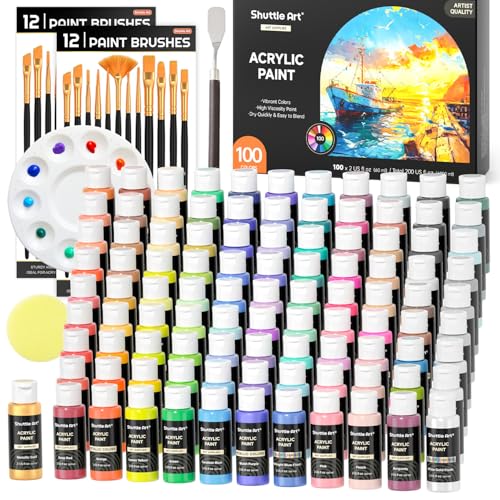

Before starting, thoroughly clean the item with a degreaser to remove any oils or residues that could affect adhesion. Scuffing the surface lightly with fine-grit sandpaper promotes better bonding by creating texture. This simple prep work will significantly enhance the long-lasting quality of your new appearance.
Finally, consider a protective topcoat after drying to guard against scratches and wear, ensuring your lighter creation remains pristine for years to come. With these techniques, you can effectively rejuvenate and brighten your beloved pieces, giving them a fresh and modern appeal.
Preparation for Transformation
First, I clean the item thoroughly using a mixture of warm water and mild soap. This removes dust and grime that inhibit adhesion. After rinsing, I let it dry completely. Next, I lightly sand the surface with fine-grit sandpaper to create a rough texture ideal for the next layer. This step is crucial; it ensures the primer bonds effectively with the original finish.
Choosing the Right Primer
Opt for a high-quality primer designed for use on previously finished surfaces. Oil-based primers work well in this scenario, as they block stains effectively. I apply a generous coat with a brush or roller, paying attention to corners and grooves. Once applied, I let it cure as recommended by the manufacturer, typically 24 hours, to ensure optimal results.
Applying the Final Coat
For the final color, I choose an acrylic or latex formulation that offers durability and clean-up ease. Using a clean brush or roller, I apply the first layer, being careful to maintain a consistent thickness. After allowing it to cure for the advised time, I lightly sand the surface again to smooth out any imperfections before adding additional coats. Two to three layers guarantee even, rich coverage. Allow each layer to dry fully as per the product’s guidelines.
After the final application, patience is key. I wait several days for complete curing before using the piece. Taking these steps transforms the look significantly while ensuring long-lasting wear.
Choosing the Right Paint Type for Stained Furniture
I recommend using a high-quality acrylic latex formulation for covering existing tones. This type provides excellent adhesion and durability, ideal for surfaces that face everyday use. Ensure the product is specifically designed for wood applications, as this will enhance the finish’s longevity.
Common Options and Their Properties
| Type | Advantages | Disadvantages |
|---|---|---|
| Acrylic Latex | Quick drying, low odor, and good adhesion. | Less durable than oil-based options. |
| Oil-Based | Superior durability and smooth finish. | Longer drying time and strong odors. |
| Chalk Paint | Matte finish and easy to distress for a vintage look. | May require a sealant for protection. |
| Milk Paint | Eco-friendly and creates a unique finish. | Requires a bonding agent for certain surfaces. |
Final Thoughts
Selecting the right formulation is critical. Test a small area first to see how it reacts with the existing tones. This step helps ensure the desired outcome is achieved without unexpected surprises. Always check the manufacturer’s guidelines for the best results and compatibility.
Preparing the Surface: Cleaning and Sanding Techniques
Thoroughly wipe down the item with a mixture of warm water and mild detergent to remove dirt and grease. It’s important to let it dry completely afterward.
After cleaning, assess the surface for any imperfections. For a smooth finish, sanding is vital. Choose a medium-grit sandpaper (around 120-150 grit) for initial sanding to remove existing finishes and imperfections.
- Sand in the direction of the wood grain to avoid creating scratches.
- Ensure to pay attention to corners and edges where residue may linger.
Next, switch to a finer sandpaper (220 grit) for finishing. This will help achieve a smooth surface that promotes better adhesion for the upcoming coating.
Don’t overlook dust removal post-sanding. A tack cloth or a vacuum with a brush attachment effectively eliminates particles left on the surface. This step is crucial for preventing imperfections in the final coat.
Always wear a mask and safety goggles for protection during sanding, as dust can be harmful to health. Ensure your workspace is well-ventilated to promote safety and ease of the task.
Finally, check the surface again for any remaining blemishes and repeat sanding if necessary, ensuring optimal preparation for the application process ahead.
Applying Primer for Optimal Paint Adhesion
For optimal adhesion, I always utilize a high-quality primer designed for glossy or stained surfaces. This ensures the top layer will adhere properly and prevents any bleed-through from the original finish.
I begin by selecting a shellac-based or oil-based primer, as these types block stains effectively. After preparing my area, I apply a thin, even coat using a brush or roller, ensuring all surfaces are covered.
I allow the primer to dry completely, which is typically around 1 to 2 hours, depending on humidity and temperature. If the surface feels rough after drying, a light sanding with fine-grit sandpaper smooths it out, enhancing the bond.
If I’m working with particularly dark or bold hues underneath, a second layer of primer may be necessary to achieve a uniform base. Always inspect for any drips or imperfections before moving on to the next step.
Once primed, I proceed with my chosen finish, confident that the primer will create a strong foundation for lasting results.
Selecting the Best Brushes and Tools for a Smooth Finish
Choosing high-quality brushes and tools is paramount for achieving a flawless surface. My recommendations focus on types that deliver excellent results with minimal effort.
Brush Options
- Synthetic Bristle Brushes: Ideal for water-based products, as they provide a smooth application and eliminate brush strokes.
- Natural Bristle Brushes: Best for oil-based formulations. They hold more paint and offer a desirable finish.
- Foam Rollers: Perfect for larger, flat surfaces. They produce an even coat and are easy to clean.
- Angled Brushes: Great for corners and detailed work, allowing precision in hard-to-reach areas.
Additional Tools
- Paint Tray: Essential for easy access to paint and efficient loading of brushes.
- Sandpaper: Opt for a fine grit (220 or higher) for final sanding between coats. This helps achieve a refined finish.
- Primer Applicator: Consider a specialized applicator for even primer distribution, which aids in adhesion.
- Drop Cloths: Protect surrounding areas to prevent accidental spills or splatters.
Inspect tools for damage or wear before starting. A well-maintained brush or roller makes the process smoother and the outcome much better. The right tools significantly enhance the quality of your application, ensuring a professional appearance without the hassle of touch-ups.
Mastering the Painting Technique: Tips for Even Coverage
For optimal results, I always work with thin layers. Thick applications lead to drips and uneven surfaces. Use a quality roller or brush specifically designed for the material to ensure a smooth application.
Before applying the first coat, I lightly mist the surface with water. This helps the product adhere better, enhancing smoothness. To ensure no area is overlooked, I section off the area into manageable parts, maintaining consistency in strokes.
Employing a “W” or “M” motion helps distribute the material evenly. After each stroke, I lift my tool slightly to avoid creating ridges. It’s crucial to keep a wet edge; I return to previously coated areas before they dry to blend seamlessly.
After the first coat dries, inspecting for imperfections is key. I often do a light sanding with fine grit to create a adhesion-friendly texture for subsequent layers. If any patches appear uneven, I touch them up before proceeding.
Lastly, patience is vital. Allow ample drying time between coats. Rushing can lead to flaws and an unsatisfactory finish. I always leave ample time for the final coat to cure before use, achieving a professional look that lasts.
Finishing and Sealing: Protecting Your Newly Painted Surface
To safeguard the fresh finish, a reliable topcoat is necessary. I recommend selecting a high-quality polyurethane product. Opt for a water-based variant for easy application and fewer odors, while ensuring durability.
Application Process
Use a clean, synthetic brush or foam applicator to apply the sealant evenly. Begin with a thin layer, allowing it to dry completely as per the manufacturer’s instructions. Sand lightly between coats with fine-grit sandpaper to achieve a smooth surface and enhance adhesion. Aim for at least two to three coats for optimal protection.
Maintenance Tips
Once everything is dry, avoid harsh cleaners. Regular dusting and gentle wiping with a damp cloth are sufficient to maintain the appearance. If the surface shows signs of wear, a light reapplication of the sealant can extend the life of the finish.
Maintenance Tips for Long-Lasting Results
To preserve the finish of your newly refreshed items, regularly dust them with a soft, dry cloth. This prevents dirt buildup, which can dull the surface.
For routine cleaning, use a damp cloth with mild soap to remove stubborn stains. Avoid harsh chemicals that can strip the finish. Make sure to dry the surface thoroughly after cleaning.
Repairing Minor Damage
Keep a small touch-up kit handy. If you notice scratches or chips, promptly apply a matching paint or touch-up marker to prevent further wear. This quick fix can maintain the appearance and integrity of the surface.
Environment Considerations
Position these items away from direct sunlight and high humidity. UV rays can cause fading, while excessive moisture can lead to peeling. If possible, maintain a consistent temperature and humidity level in the space where they are kept.


