
 Caleb Turner

Begin with a thorough cleaning of your natural weave decor. Use a soft brush or a damp cloth to eliminate dust and debris. This step ensures that the surface is ready for the next phase, minimizing any imperfections during the process.
Select the right coating. An acrylic or latex-based product works best as it adheres effectively to fibrous surfaces. Opt for a color that complements your existing decor while reflecting your personal style.
Apply a primer before the main layer to enhance adhesion and durability. A spray primer is ideal for achieving an even coat on textured surfaces. Let it dry completely before proceeding, as this sets the foundation for the final finish.


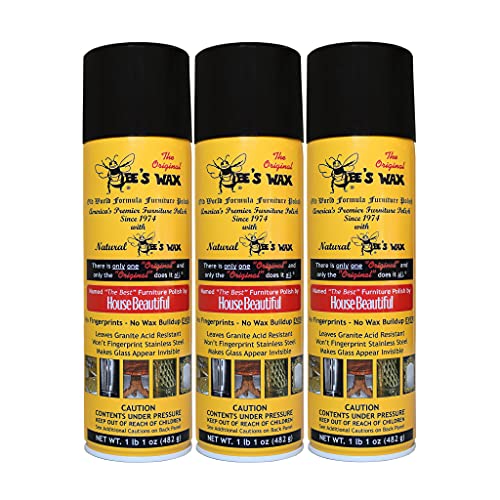
For an even application, use a brush with firm bristles or a sponge roller to cover all areas. Apply thin layers, allowing ample drying time between each coat. This technique builds richness in color while preventing drips and uneven patches.
Finally, protect your newly refreshed piece with a clear sealant. This not only adds a layer of durability but also enhances the vibrancy of the hue. Regular maintenance with a damp cloth will keep your decor looking like new for years to come.
Tips for Revamping Natural Fiber Pieces
Choose a high-quality primer designed for porous materials. This step creates a solid foundation, ensuring the finish adheres well and lasts longer. Apply the primer with a foam brush to avoid brush marks and achieve an even coat.
Select a color that complements your space and enhances the natural beauty of the texture. For a subtle look, go for soft neutrals; for a bold statement, consider rich jewel tones. Always test the chosen shade on a small, inconspicuous area first.
Use a spray or chalk-style coating for a smooth, matte finish. This type of finish minimizes the appearance of imperfections and showcases the unique weave of the fibers. Multiple thin coats will yield better results than a single thick layer.
Allow each coat to dry thoroughly before applying the next. Depending on the humidity and temperature, drying times may vary; check the manufacturer’s instructions for guidance.
Seal the surface with a clear topcoat designed for high-traffic items. This additional layer protects the finish from wear and tear while enhancing durability. Choose a matte or satin finish depending on your desired aesthetic.
After completion, allow the item to cure for at least 48 hours before use. This wait time ensures that all layers adhere properly and that the finish reaches its full strength.
Choosing the Right Paint for Seagrass
For optimal results, I recommend using water-based acrylics specifically designed for natural fibers. This type of finish provides adequate adhesion and flexibility without compromising the integrity of the material.
Types of Paint
- Eco-friendly options: Look for brands that offer non-toxic formulas, reducing harmful fumes while ensuring safety in enclosed spaces.
- Matte vs. Glossy: Matte finishes can enhance the texture and natural beauty, while glossy ones are easier to clean and provide a more polished look. The choice depends on the desired aesthetic.
- Specialty Fibers: Some manufacturers produce paints formulated for textiles and fibers, which enhances durability against wear and moisture.
Testing & Preparation
Always test the color on a small, inconspicuous area. This will allow me to see how the paint adheres and interacts with the underlying shade of the grass. Sanding or lightly buffing the surface can improve adhesion, ensuring a smoother application.
Before committing to a color, consider the space’s lighting and surrounding colors. A sample swatch painted on a small section can help visualize the final look.
Preparing Natural Fiber Items for Coating
Thorough cleaning is paramount. Begin by using a soft brush or vacuum to remove dust and debris. This step is essential to avoid any particles interfering with the adhering process of the new coating.
Next, inspect the surface for damage. Minor imperfections can be addressed using wood filler or a similar product. Ensure the filling is smooth and matches the texture.
Afterward, lightly sand the entire surface using fine-grit sandpaper. This will help the new layer grip better. Be cautious with the pressure to avoid tearing the natural material.
Following sanding, wipe the piece with a damp cloth to eliminate dust and particles. Allow it to dry completely before proceeding with any additional steps.
Lastly, apply a primer suitable for natural materials. This layer creates a uniform surface, improving the final appearance. Always follow the manufacturer’s instructions for optimal results.
| Step | Action |
|---|---|
| 1 | Clean with a brush or vacuum |
| 2 | Inspect and repair damage |
| 3 | Lightly sand the surface |
| 4 | Wipe with a damp cloth |
| 5 | Apply a suitable primer |
Selecting the Best Tools for Application
For achieving a smooth finish, I favor foam brushes and high-density rollers for their ability to spread product evenly without leaving brush marks. Foam brushes work exceptionally well on intricate surfaces, while rollers cover larger areas efficiently.
For detailed areas, a small artist’s brush allows for precision, helping to reach tight spots. I recommend having a variety of sizes on hand for different applications. Additionally, a paint sprayer can be advantageous for larger pieces, providing a uniform coat in less time.
Don’t overlook the importance of quality painter’s tape. It ensures clean edges and prevents overspill, especially when dealing with intricate patterns or multiple colors. Invest in good tape to save time on touch-ups later.
A drop cloth is also necessary to protect surrounding surfaces. I choose a heavier canvas cloth for durability, preventing any seepage from the work area.
Lastly, keep a clean, dedicated space for your tools to maintain efficiency. Regularly clean brushes and rollers after each use to prolong their lifespan and performance. Being organized and well-prepared makes the process enjoyable and yields the best results.
Applying Primer to Natural Fiber Surfaces
Before applying color to textured fibers, applying a high-quality primer is a crucial step. I opt for an acrylic-based primer for its compatibility with the materials. This choice enhances adhesion and helps achieve an even finish. I always ensure the area is clean and free of dust or debris to avoid imperfections.
Using a brush or a small roller is effective for application. I focus on getting the primer into the grooves and crevices, which ensures an even coat across the entire surface. I recommend applying a thin layer to minimize drips and runs. It’s important to work in sections, allowing each part to dry before moving on to the next.
Drying times can vary based on environmental conditions, so I check the manufacturer’s instructions. Once the primer is dry, a light sanding can help smooth the surface, preparing it for the next layer. This step not only enhances the finish but also promotes better paint adhesion.
Overall, taking the time to apply primer correctly pays off. It acts as a foundation, ensuring the subsequent layers adhere better and last longer.
Techniques for Painting Seagrass Furniture Evenly
I recommend using a high-quality spray applicator for a smooth finish. This method allows for an even distribution of coating without brush strokes. Maintain a consistent distance of about 6-12 inches from the surface to avoid drips and runs.
<p.Before applying the first coat, practice on a scrap piece or inconspicuous area to fine-tune your technique. This helps gauge how the material absorbs the medium and adjusts accordingly for coverage.
Apply the coating in light layers, gradually building up the color. This approach minimizes the risk of clumping and ensures a professional appearance. Wait for each layer to dry completely before adding the next; this will help avoid any unsightly texture issues.
To address corners and hard-to-reach spots, a small, fine-tipped applicator works well. It allows for precision in application, ensuring every nook and cranny is evenly coated.
Consider using a top coat after the final layer for added protection. This not only enhances durability but also gives a uniform sheen. Be mindful of the drying time suggested by the manufacturer to achieve optimal results.
Drying and Curing Time for Painted Seagrass
After applying the finishing layer, I always allow ample time for my work to dry and cure properly. Air drying is essential; the surface usually dries to the touch within 1 to 2 hours, but I wait at least 24 hours before handling. For complete curing, which ensures durability and adherence, I give it 7 to 14 days, depending on the humidity and temperature in the environment.
Humidity and Temperature Impact
When the humidity is high, I notice that drying takes longer, so I take that into account and adjust my schedule. Conversely, in warmer, dryer conditions, the surface tends to dry faster but requires extra attention to avoid issues like cracking.
Testing for Full Cure
To verify if the finish has completely cured, I gently press my finger on an inconspicuous area. If it feels tacky, I know it needs more time. I also avoid placing items on the surface during this period to prevent indentations or other marks.
Finishing Touches: Sealing and Protecting Painted Surfaces
Applying a clear coat is the most reliable way to safeguard a newly coated item. Choose a water-based polyurethane for its low odor and quick drying time. Ensure it is compatible with the underlying color layer.
- Before applying the top layer, confirm that the color layer is fully dry. A quick touch test can help determine if it’s ready.
- Using a high-quality synthetic brush or a foam applicator, apply the sealant in thin, even layers. This prevents drips and runs.
- Allow each coat to dry completely, typically about 1-2 hours, before applying additional layers. Two to three coats will enhance durability.
For extra protection against scratches and stains, consider using a furniture wax after the clear coat has cured. This can add a layer of luster and is easily reapplied as needed.
- To apply wax, use a soft, lint-free cloth. Rub a small amount into the surface in circular motions.
- Buff with a clean cloth to achieve a subtle sheen.
Regular maintenance is key to preserving the finish. Clean the surface with a damp cloth and avoid harsh chemicals that may degrade the seal.
Store items in a stable climate to prevent warping or discoloration. Extreme temperatures or humidity can adversely affect the integrity of the finish.
Maintaining and Cleaning Painted Seagrass Furniture
To preserve the look and durability of my colored wicker pieces, I adhere to a consistent cleaning routine. I avoid abrasive cleaners that could damage the finish and choose mild detergents instead.
I dampen a soft cloth with warm water and a bit of mild soap. This combination allows me to wipe down the surfaces without scratching. For stubborn stains, a gentle scrubbing with a soft-bristled brush helps lift dirt without harming the painted layers.
After cleaning, I ensure the items dry thoroughly in a well-ventilated area to prevent moisture damage. Maintaining the finish is key, so I schedule regular inspections for wear and tear, addressing any chips or peeling promptly.
It’s important to keep these treasures out of direct sunlight for prolonged periods to prevent fading. Additionally, I use coasters and placemats to shield the surfaces from heat and moisture.
| Cleaning Task | Frequency |
|---|---|
| Wipe down surfaces | Weekly |
| Detailed cleaning | Monthly |
| Inspect for damage | Every 3 months |
For extra protection, I apply a clear wax or sealant designed for faux finishes periodically, which adds a layer of defense against scratches and scuffs. Following these steps allows me to keep my colorful woven pieces looking fresh and appealing for years to come.
FAQ:
What type of paint should I use for seagrass furniture?
For painting seagrass furniture, it’s best to choose a high-quality acrylic paint or a paint specifically designed for wicker and rattan surfaces. These types of paint provide good adhesion and durability. Additionally, consider using a primer designed for porous surfaces to ensure even color and enhance the paint’s longevity.
How do I prepare my seagrass furniture for painting?
Preparing your seagrass furniture is crucial for achieving a smooth finish. Start by cleaning the furniture with a gentle soap and water solution to remove dirt and oils. Once dry, lightly sand the surface with fine-grit sandpaper to help the paint adhere better. If there are any loose fibers, gently trim them for a neater appearance. Applying a coat of primer afterward can further improve the final result.
Can I achieve a different finish by using different painting techniques on seagrass furniture?
Yes, various painting techniques can create different finishes on seagrass furniture. For a solid color, a simple brush or roller application works well. For a more textured look, you can use a sponge or rag technique. Additionally, techniques like distressing can give your furniture a vintage feel. Experimenting with these methods can result in a unique appearance that suits your style.
How many coats of paint do I need for seagrass furniture?
The number of paint coats needed usually depends on the color and the type of paint you’re using. Generally, two to three coats are recommended for solid coverage, especially when using lighter colors over a darker base. Allow each coat to dry thoroughly before applying the next one to prevent streaks and ensure an even finish. Always check the paint manufacturer’s instructions for specific guidance on application.
What can I do to maintain the painted seagrass furniture after painting?
To maintain your painted seagrass furniture, keep it away from excessive moisture and direct sunlight to prevent fading and damage. Regular dusting with a soft cloth is advisable to keep the surface clean. If you notice any chips or wear over time, touch up the paint using a small brush. Periodically applying a clear sealant can also help protect the finish and enhance its longevity.
What materials do I need to paint seagrass furniture?
To paint seagrass furniture, you’ll need a few essential materials. First, prepare a clean workspace. Gather sandpaper or a sanding block to smooth the surface, a clean cloth for dust removal, and a primer designed for natural fibers. Then, select a high-quality paint suitable for furniture, either acrylic or chalk paint. Don’t forget a paintbrush, or a spray paint option if you prefer that method. Optionally, you might want to use a topcoat or sealant to protect the finish after painting.


