
 Caleb Turner
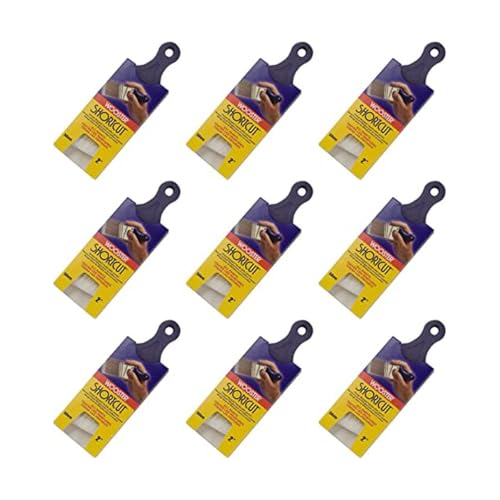
Before applying color to your surfaces, I ensure they are thoroughly cleaned. I use a mixture of warm water and mild detergent, scrubbing away residue and grime. This step helps the new finish adhere properly.
Next, I lightly sand the surfaces with fine-grit sandpaper. This creates a slightly rough texture, enhancing bond strength. After sanding, I wipe down the pieces with a damp cloth to remove any sanding dust.
Choosing the right coating is critical. I prefer a high-quality acrylic or water-based formula that offers durability and flexibility. These options are known for their adherence and long-lasting finish, which is particularly beneficial for frequently used items.


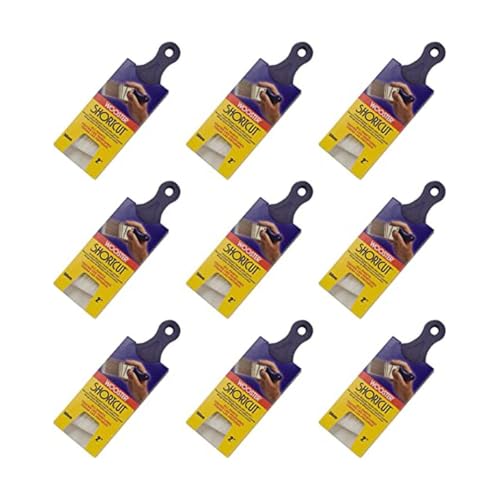
When applying color, I use a foam roller or a brush designed for smooth finishes. I apply thin, even coats, allowing each layer to dry completely before adding another. This method ensures a professional look without unsightly drips or unevenness.
Finally, I apply a clear topcoat to protect the surface and enhance its longevity. This step prevents chips and scratches while providing a beautiful sheen. Regular maintenance, including gentle cleaning, extends the life of the finish.
Steps to Revitalize Your Surface
First, ensure the area is well-ventilated. Cover the surroundings with drop cloths to protect from splatters. Clean the surface with a mixture of water and mild detergent. This removes grease and dust, allowing better adhesion of the materials.
Preparation Process
Next, lightly sand the entire surface using 220-grit sandpaper. This helps in roughening the finish, promoting better grip for the upcoming layers. Wipe away any dust with a damp cloth. Follow with a primer suited for glossy or non-porous surfaces, applying with a foam roller for an even coat.
Final Touches
After allowing the primer to cure as per the manufacturer’s instructions, proceed to apply acrylic or specialized coatings. Use a high-quality brush for edges and a roller for larger areas. Multiple thin layers provide better durability than a single thick coat. Lastly, let it cure fully before using the surface to ensure longevity.
Choosing the Right Type of Paint for Plastic Laminate
For optimal results, opt for an adhesive primer followed by a high-quality acrylic or latex coating. These options provide better adhesion and durability, ensuring a lasting finish.
Recommended Products
- Adhesive Primer: Look for products specifically designed for non-porous surfaces. Zinsser B-I-N and Rust-Oleum Zinsser are reliable choices.
- Acrylic or Latex Coating: Select a water-based formula for easy cleanup and low odor. Brands like Behr and Sherwin-Williams offer various sheens to match your desired look.
Finishing Touches
After applying the base layers, consider using a clear topcoat to enhance protection against scratches and wear. These additional layers will prolong the lifespan of your project, ensuring the surface withstands daily use.
Testing different combinations on a hidden area can help gauge effectiveness before proceeding with the main surfaces, ensuring your effort yields a polished and professional appearance.
Preparing the Surface for Optimal Adhesion
For best results, thorough cleaning is crucial. I scrubbed the surfaces with a mixture of warm water and mild detergent to remove grease, dirt, and any residues. Rinsing thoroughly and allowing the surfaces to dry completely prepares them for treatment.
I then used fine-grit sandpaper to lightly scuff the surface, which enhances bonding. Focus on areas that might seem glossy; this step helps break down the sheen and promotes better adhesion. After sanding, I wiped the dust away with a damp cloth.
Next, I applied a quality primer specifically designed for slick surfaces. Using a roller or brush, I ensured an even coat, which acts as a base layer for further application. Letting the primer fully cure before proceeding is essential for optimal results.
Finally, any significant imperfections or scratches should be filled using a suitable filler and then sanded smooth. Taking these measures guarantees that the final finish adheres well and lasts over time.
Applying Primer: Importance and Techniques
Using a primer is key for achieving a flawless finish on surfaces that might reject standard coatings. I always choose a high-quality bonding primer specifically designed for non-porous surfaces; this ensures the subsequent layers adhere properly.
Here are the steps I follow when applying primer:
- Surface Preparation: Ensure the surface is clean and dry before application. Any dust or grease can hinder adhesion.
- Application Method: I prefer using a foam roller for broad areas, as it provides an even coat without leaving brush marks. A small brush is helpful for corners and edges.
- Thin Layer: I apply a thin layer, as thick applications can lead to drips and uneven drying. It’s better to apply multiple thin coats than one thick one.
- Drying Time: I allow ample drying time as specified by the manufacturer. This typically ranges from 30 minutes to a few hours, depending on humidity and temperature.
- Sanding (if necessary): After the primer dries, I lightly sand the surface with fine-grit sandpaper. This step enhances adhesion for the next coat.
In my experience, taking the time to apply primer correctly significantly improves the longevity and appearance of the final coating. Not skipping this step makes a noticeable difference.
Selecting the Best Tools for Application
I recommend using high-density foam rollers for large, flat areas. They provide an even finish without leaving noticeable lines. For detailed sections and edges, a quality angled brush is ideal. This allows precision and helps reach tight spots.
<p(Paths.Primer two-in-one products can simplify the process, but ensure they are compatible with your chosen top coat. Avoid using regular brushes, as they can leave unsightly marks. A small nylon brush also comes in handy for intricate designs or corners.
Using painter’s tape is crucial for protecting areas you don’t want coated. Choose a high-quality tape to prevent bleeding and ensure sharp lines. A drop cloth or plastic sheeting will catch any drips, protecting your workspace.
Invest in a spray gun if you’re tackling larger projects or desire a smoother finish. Adjusting the nozzle can help control the flow of the material, ensuring even application. Always wear a mask to protect your lungs from fumes when spraying.
Cleaning supplies, such as mineral spirits or soap and water, are necessary for washing brushes and rollers afterward. Having a brush comb on hand can maintain the shape of your tools for future use.
Lastly, take your time selecting the right products. Quality tools can significantly influence the final appearance and durability of the surface treatment.
Step-by-Step Guide to Painting the Furniture
Clean the surfaces thoroughly using a mixture of mild soap and water to remove any grime or grease. This step is crucial for proper adhesion.
Once dry, lightly sand each surface using fine-grit sandpaper to create a texture. Focus on areas that will receive the most wear. Wipe off any dust with a damp cloth afterward.
Priming the Base
Apply a coat of primer suitable for non-porous surfaces. It enhances adhesion and ensures even coverage. Use a high-quality brush or roller for a smooth application, avoiding drips and bubbles. Let it dry according to the manufacturer’s instructions before proceeding.
Final Coating Application
Choose your chosen finish. Use a brush or spray for an even distribution, applying thin layers. This prevents runs and ensures durability. Allow each coat to dry thoroughly, usually a few hours, before applying the next layer.
After achieving the desired coverage, let the final coat cure fully before using the item. This can take a few days. Patience at this stage pays off.
Techniques for Achieving a Smooth Finish
To achieve a flawless surface, my first step involves using a high-quality sanding block or sandpaper, typically in the range of 220 to 320 grit. I focus on lightly sanding the surface to create a better texture for adhesion without damaging the existing layer. This prepares the groundwork for an even application.
Spraying vs. Brushing
Choosing between spraying and brushing affects the final look. I often opt for a spray application method, as it allows for a more consistent layer and minimizes brush strokes. Using a spray can or air compressor, I maintain an even distance and overlap the passes slightly to ensure complete coverage.
Layering Techniques
Building a smooth coat involves applying thin layers. I apply the first coat and allow it to dry completely before assessing the finish. If necessary, I lightly sand between layers with ultra-fine 400 grit sandpaper. This step helps eliminate imperfections and creates an ultra-smooth finish. Once satisfied with the texture, I continue layering until I achieve the desired depth of color.
Finally, I always finish with a clear protective topcoat to seal the surface and enhance durability while adding a glossy sheen. Picking a topcoat based on the intended use and maintenance requirements is crucial for longevity.
Post-Paint Care and Maintenance Tips
After completing the transformation of your surfaces, focus on the following maintenance strategies to ensure enduring results.
First, allow ample time for the coating to cure completely, typically around two weeks. During this period, avoid placing objects on the surface to prevent impressions.
For cleaning, utilize a soft cloth and a mild detergent mixed with water. Steer clear of abrasive cleaners or scrubbers; they can mar the finish by scratching or dulling the surface.
To prevent chipping, always handle the items carefully, especially along edges and corners. Position objects gently instead of dropping or dragging them across your newly coated surfaces.
Consider applying a protective topcoat–like a clear polyurethane–to enhance durability. Reapply this layer every year or as needed to maintain visual appeal and protect against spills.
Regular inspections for wear or damage are key. Address any scratches immediately with touch-up paint to maintain aesthetics and prevent further deterioration.
Control the environment by keeping humidity and temperature stable. Extreme conditions can affect adhesion and appearance over time.
| Tip | Description |
|---|---|
| Cleaning | Use a soft cloth with mild detergent; avoid abrasives. |
| Curing Time | Allow two weeks for full curing before use. |
| Handle with Care | Avoid dropping or dragging items across surfaces. |
| Protective Topcoat | Reapply clear polyurethane annually for enhanced durability. |
| Regular Inspections | Check for damage and touch up scratches as needed. |
| Stable Environment | Maintain consistent humidity and temperature levels. |
By following these guidelines, I can preserve the beauty and integrity of my surfaces for years to come.


