Caleb Turner
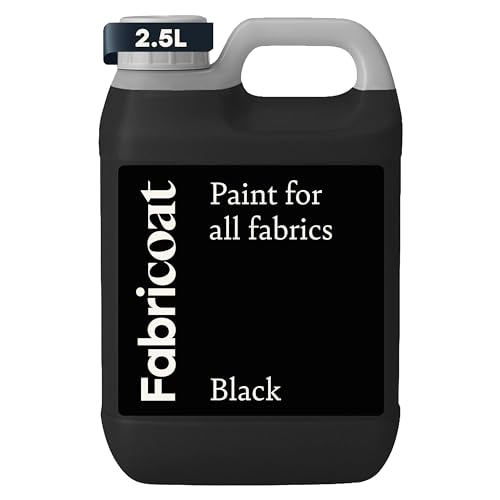
Choosing specialized upholstery spray or fabric dye ensures a long-lasting transformation of your outdoor seating accessories. Start by selecting a high-quality product designed for outdoor textiles, which will resist fading and damage from the elements.
Ensure the surface is clean and dry before applying. I recommend washing the covers with soapy water and allowing them to dry completely. This step dramatically enhances adhesion, leading to a smoother finish.
Using a spray bottle or airbrush allows for even application. Keep the nozzle about 6-12 inches from the surface, moving in a steady, sweeping motion to prevent drips. Multiple light coats will yield better results than a single heavy application, providing a refined look.


After the application, allow ample drying time as specified on the product instructions. This stage is crucial; rushing may lead to smudges or uneven texture. Following these steps guarantees a refreshed appearance, making your outdoor setting inviting and colorful.
Painting Outdoor Seating Upholstery
I always begin with a thorough cleaning of the fabric. A mixture of mild detergent and water works well for this. Scrubbing gently helps remove dirt and any stains, allowing the surface to accept color more effectively. Rinse thoroughly and let the material dry completely before proceeding.
Choosing the Right Materials
Select a high-quality spray or brush-on fabric dye designed for outdoor use. It’s essential to check that the dye is made specifically for textiles, ensuring it adheres properly and withstands environmental factors.
| Supplies Needed | Purpose |
|---|---|
| Fabric Cleaner | Cleans the surface before application |
| Spray or Brush-On Dye | Color application |
| Protective Covering | Safeguards surroundings from overspray |
| Gloves | Protects hands from staining |
| Drop Cloth | Catches any drips or spills |
Application Process
<p I use a well-ventilated space for this task, ideally outdoors. Before starting, applying a protective covering to nearby surfaces is a must to avoid mess. I then shake the dye canister or mix the dye solution thoroughly, testing it on a small, inconspicuous portion first to check the color outcome. Once satisfied, I apply the dye evenly across the fabric, ensuring all areas are covered while avoiding over-saturation.
After the initial layer dries, I assess the coverage. Depending on the desired intensity, a second coat might be necessary. Once everything is completely dry, I carefully remove any protective coverings and let the fabric cure for the manufacturer-recommended timeframe, typically 24-48 hours, before using the seats again.
Selecting the Right Paint for Fabric Cushions
I recommend using a fabric-specific spray or an outdoor textile medium for maximum durability. Look for paints labeled as “fabric paint” or “outdoor fabric spray” to ensure flexibility and adherence to the material.
It’s crucial to choose products that are waterproof and UV-resistant to withstand outdoor conditions. Check the labels for features that indicate mildew resistance, especially if the cushions are stored outside.
Color Options and Texture
Opt for colors that complement your outdoor scheme. Test a small swatch on a hidden area to assess the final shade after drying. Matte finishes can hide imperfections, while glossy options may require more precision during application.
Application Techniques
Before starting, thoroughly clean and dry the textiles. Use painter’s tape to protect areas you want to remain untouched. Employ light, even strokes when applying to avoid drips and ensure an even coat. Multiple thin layers are often more effective than one thick layer.
After finishing, allow ample drying time and consider applying a sealant for added protection against the elements.
Preparing Cushions for Painting Process
Clean all surfaces thoroughly using a mixture of mild detergent and water. Rinse well with clean water and let dry completely.
Remove cushions from any frames or attachments. This allows for easier access and ensures even coating.
If your items have zippers, unfasten them to avoid paint build-up. You might consider covering any fasteners or exposed parts with painter’s tape to protect them from overspray.
Inspect for any damage or wear. Stitch up small tears or loose seams to ensure a smooth finish. Patch larger holes with fabric adhesive if needed.
Consider an initial test of the chosen coloring on a small, inconspicuous area to check for compatibility and adhesion.
Place a drop cloth or plastic sheet underneath to catch any excess material during application.
Organize your workspace with all necessary supplies: brushes, spray bottles, and protective gear such as gloves and masks.
Finally, ensure you are working in a well-ventilated space to promote quicker drying and minimize inhalation of fumes.
Choosing the Appropriate Tools for Painting
I recommend selecting high-quality synthetic brushes or foam rollers for an even application across the surface of fabric. Synthetic brushes work particularly well with water-based products, while foam rollers can cover larger areas rapidly, minimizing streaks.
An airbrush system is ideal for intricate designs or detailed touch-ups. It allows for precision and a smooth finish, especially on textured materials.
Consider using painter’s tape to secure edges and prevent overspray, ensuring clean lines. An adequate drop cloth is essential to protect surrounding areas from any unintended splashes.
Having a spray bottle filled with water can help dampen the fabric slightly before application, improving paint adhesion. Additionally, keep paper towels on hand for any spills or cleanup.
For those wanting to stencil patterns, select fine-tip brushes or sponge daubers for accuracy. Using a stencil adhesive spray will keep the template in place, avoiding any movement during the application.
Lastly, a sturdy ladder or stool may be needed if you’re working on elevated seating or hard-to-reach areas, ensuring a thorough and consistent coverage without straining yourself.
Step-by-Step Guide to Painting Cushions
First, gather all necessary supplies, ensuring you have a well-ventilated area to work in. I laid down a drop cloth to protect my workspace from spills.
Next, I removed the covers from the upholstery. If they are not removable, I carefully masked off the edges to safeguard the surrounding areas.
I then prepared the area by lightly sanding the fabric with fine-grit sandpaper. This step is crucial for improving adherence and ensuring a smooth finish. After sanding, I wiped the surface with a damp cloth to remove any dust particles.
For the application, I poured the chosen dye into a spray bottle for even distribution. Holding the bottle 6-8 inches away, I sprayed a thin, even layer over the fabric. I found it helpful to work in sections, which ensured uniform coverage.
Once the first coat dried completely, I applied a second layer to enhance color saturation. Be cautious to avoid over-saturating the fabric, as it may lead to uneven spots.
After finishing the application process, I let the items dry thoroughly, ideally overnight, to allow the color to set properly.
Finally, I reassembled the upholstery or placed the covers back on and enjoyed the refreshed look of my outdoor seating. Regular maintenance and gentle cleaning will prolong the new appearance.
Techniques for Even Coverage and Detailing
The key to achieving uniform application lies in meticulous preparation and technique. Begin with a light, even coat using a spray or brush method that allows for consistent flow. I recommend working in sections, focusing on one area at a time to avoid oversaturation.
Layering for Depth
- Apply a thin initial coat, allowing it to dry completely before adding another layer.
- This approach builds depth without drenching the fabric.
- For detailed designs, use a fine brush to ensure precision around edges and seams.
Achieving Fine Details
For added embellishments such as patterns or stencils, use painter’s tape to create clean lines. Press it firmly against the surface to prevent any seepage. Carefully apply a contrasting shade inside the taped areas, lifting the tape while the paint is still wet for sharp edges.
- Utilize sponges for sponge-painting effects, allowing for texture variation.
- For intricate designs, a fine-tip applicator can help achieve the level of detail desired.
Regularly check for uneven spots, touching up any areas as necessary. Patience during the drying stages is vital; rushing can lead to inconsistencies.
Drying Time and Curing Process for Painted Cushions
I allow at least 24 hours for the surface to dry after applying the color to the upholstery. Drying time can vary based on humidity and temperature, so it’s wise to check that the material feels dry to the touch before moving on.
For optimal durability, I focus on the curing process, which may take several days. I typically wait a full week before exposing the upholstered items to significant wear or moisture. This time frame ensures that the coating has fully adhered to the fabric strands, resulting in a robust finish.
During this curing period, I avoid any heavy contact with the surfaces, as even light abrasion can disrupt the newly applied layer. If the weather permits, I place the creations in a well-ventilated area with low humidity, promoting better curing conditions.
In the event of a rainy forecast, I store them indoors until the environment is suitable. This consideration prevents any moisture from compromising the integrity of the finish. After a week, I test a small inconspicuous area by gently rubbing to check the durability before regular use.
Applying a fabric protector once fully cured can further extend the lifespan and ease of maintenance for the transformed items. This final step provides a barrier against spills and stains, ensuring my projects remain fresh for longer periods.
Maintaining and Cleaning Painted Cushions
Regular maintenance of treated textiles prolongs their lifespan and keeps them looking fresh. I recommend vacuuming upholstered surfaces weekly to remove dust and dirt. An upholstery attachment on your vacuum helps avoid damage to the finish.
For spills, act quickly. Blot the area with a clean, dry cloth – do not rub as that may spread the liquid. If necessary, use a mild soap and water solution. Test the cleaner on a small, inconspicuous area before treating the entire spot to ensure no adverse reaction occurs.
Washing Techniques
Occasional deep cleaning will rejuvenate the surface. When washing, opt for a gentle cycle in your machine. Use cold water and a mild detergent, specifically formulated for delicate textiles. Air-dry the items completely before use to prevent mold or mildew.
Preventive Measures
To reduce wear and fading, store them indoors or cover them when not in use, especially during harsh weather conditions. Using protective sprays designed for fabric can also enhance durability.
By following these steps, I ensure that the treated items in my setup remain striking and functional for years to come.