
 Caleb Turner

For achieving a flawless finish on hardwood items, meticulous preparation is key. Begin by thoroughly cleaning the surface with a robust cleaner to remove any grease or dirt. Once dried, lightly sand the surface using fine-grit sandpaper to create a texture that allows for better adhesion of the new color layer.
Choosing the right primer is crucial. Opt for a high-quality bonding primer that is suitable for slick surfaces, ensuring enhanced coverage and durability. Apply the primer using a foam brush or roller for even distribution, and let it cure completely before moving to the next step. This will prevent any peeling or chipping down the line.
Now, when selecting your desired shade, consider using acrylic or latex formulas, as they offer durability and ease of application. Apply thin layers, allowing each coat to dry completely before adding another. This technique not only enhances the color richness but also provides a smooth, professional appearance.

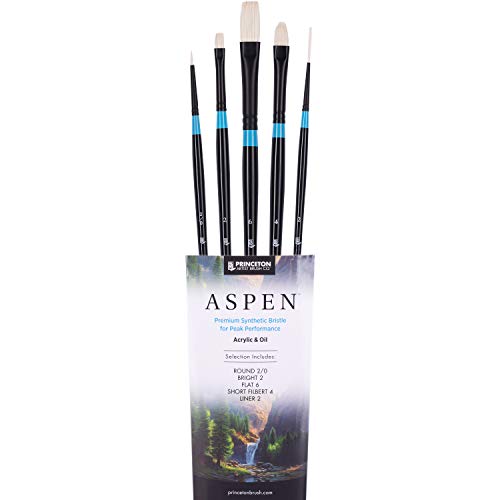

Finally, seal your work with a top coat for added protection against wear and tear. A semi-gloss or satin finish will provide a pleasing sheen, while also safeguarding the surface from scratches and stains.
Essential Techniques for Refreshing Wooden Surfaces
Prepare the surface thoroughly by cleaning and sanding. Use a fine-grit sandpaper to create a smooth texture and ensure proper adhesion of the top layer. Pay attention to corners and detailed areas to avoid rough spots.
Choosing the Right Product
Select a durable coating designed specifically for wooden surfaces. Opt for a primer that prevents the natural grain from showing through, followed by a top coat that suits your desired finish–be it matte, satin, or gloss.
Application Tips
Use a high-quality brush or roller for an even application. Work in thin layers and allow adequate drying time between coats. This helps achieve a professional look without streaks or drips. For intricate designs, consider using a smaller brush for precision in detailed areas.
Choosing the Right Paint for Oak Furniture
For achieving optimal results, I recommend using high-quality acrylic latex or water-based alkyd finishes. These options provide durability and flexibility, allowing the surface to withstand daily use without cracking or peeling.
Key Factors to Consider
- Finish Type: Select between matte, satin, or gloss. Matte offers a soft appearance, while gloss provides a shiny, reflective surface; satin strikes a balance between the two.
- Durability: Look for paints labeled as scrub-resistant or stain-resistant, ensuring they can cope with wear over time.
- Color Retention: Choose brands that guarantee color longevity to prevent fading, especially in well-lit areas.
- Environmental Impact: Opt for low or zero VOC (volatile organic compounds) solutions. This choice benefits indoor air quality and reduces environmental harm.
Recommended Brands
- Benjamin Moore: Known for excellent coverage and a wide range of colors.
- Sherwin-Williams: Offers a selection of finishes tailored for durability.
- Rust-Oleum: Ideal for DIY projects, providing a user-friendly application experience.
- Behr: Affordable and effective, suitable for various surfaces, including wood.
Selecting the right coating will enhance the natural beauty of the wood while ensuring longevity and functionality. Be sure to test a small area first to make sure you like the outcome before committing to the entire piece.
Preparing Surfaces for Coating
Begin with a thorough cleaning to remove dust, grease, and old finish. I use a mix of warm water and mild soap, wiping down all areas with a soft cloth. For stubborn stains, a gentle abrasive pad can be helpful. After cleaning, rinse with clean water and dry completely.
The next step involves sanding. I opt for medium-grit sandpaper (around 120 grit) to scuff the existing surface, promoting adhesion for the new coating. When I work, I follow the grain to avoid scratches. For detailed areas, I use sanding sponges. After sanding, I wipe away dust with a tack cloth.
If there are imperfections like scratches or dents, I fill these using a wood filler that matches the grain. I ensure the filler is completely dry before lightly sanding the area to achieve a smooth finish.
Sealing may be necessary, particularly if the piece is made of porous wood. I apply a primer or shellac to create a uniform base. This is particularly useful for preventing bleed-through in darker woods. I allow it to dry fully before proceeding to the next stage.
Finally, ensure the environment is suitable for application. I select a well-ventilated space with stable temperatures, avoiding humidity which can impair adhesion and drying time. Collect all necessary tools before starting for a smooth process.
Applying Primer for Optimal Adhesion
Choose a high-quality bonding primer specifically designed for non-porous surfaces to ensure proper adhesion. This type of primer will create a stable foundation for the final coating.
Surface Preparation
Before applying, clean the surface thoroughly. Use soap and water or a degreaser to remove any oils and dust. After cleaning, allow the surface to dry completely.
Application Technique
Using a brush for corners and detailed areas, apply the primer evenly. For larger surfaces, a foam roller can provide a smooth finish. Ensure to cover all areas without leaving gaps.
Allow the primer to dry as per the manufacturer’s instructions, typically 1-2 hours for fast-drying options. For maximum durability, consider applying a second coat, especially for high-use pieces.
Once dried, lightly sand the surface with fine-grit sandpaper to promote better adhesion of the subsequent layers. Clean off any dust produced by sanding.
This method enables a strong bond between layers, reducing the risk of chipping or peeling in the future.
Selecting the Best Brushes and Tools
For achieving a professional finish, I opt for high-quality synthetic bristle brushes. These are particularly effective for smooth surfaces and provide excellent control during application. A 2- or 3-inch brush works well for larger areas, while a smaller brush is perfect for detailed work around edges and intricate designs.
Rollers and Applicators
When covering larger surfaces, I recommend using a foam roller. Foam helps minimize texture and ensures a smooth application, reducing the chance of streaks. Select a roller with a ¼ to ½ inch nap for optimal results on flat panels. Also, investing in a good-quality paint tray will streamline your workflow and reduce mess.
Additional Tools
Don’t forget about the importance of quality painter’s tape. I use it to protect areas that shouldn’t receive any treatment, ensuring clean lines. A sanding sponge is also an asset for pre-treatment surface smoothing, particularly around edges. Finally, a good drop cloth will protect floors and maintain cleanliness throughout the process.
By carefully choosing these tools, I ensure a high-quality outcome that lasts. Each tool plays a significant role in how the treatment is applied and the finished appearance, so it’s worth spending time selecting the right options.
Techniques for Evenly Applying Paint
To achieve a smooth and consistent application, I use a methodical approach. I begin with a high-quality synthetic bristle brush or a foam roller for an even finish. It’s crucial to load the brush or roller properly; I dip it into the coating and remove excess material by wiping it against the edge of the container.
Working in Sections
Applying the coating in manageable sections enhances control. I typically work in small areas of approximately 2 feet by 2 feet, ensuring I maintain a “wet edge” to prevent noticeable lines between sections. This technique helps in blending layers seamlessly.
Using a Light Touch
I apply the coating with a light hand, using gentle strokes. Too much pressure can cause streaks or an uneven surface. If I notice any drips or bubbles, I smooth them out immediately for a flawless appearance. After the initial coat dries, I lightly sand the surface with fine-grit sandpaper before applying additional layers to enhance adhesion and smoothness.
Finally, patience is key. I allow ample time for each layer to dry thoroughly before moving on to the next, ensuring a durable and appealing finish.
Ensuring Proper Drying and Curing Times
After applying a coat, I allow it to dry thoroughly before considering the next steps. Typically, I wait at least 2 to 4 hours for the first layer to become touch-dry. However, this can vary based on the specific brand and type of coating utilized.
To determine if the first coat is sufficiently dry, I lightly press my finger on an inconspicuous area. If it feels sticky or leaves a mark, I extend the drying time. Once touch-dry, I move forward with a second layer, ensuring that each coat is applied within the recommended time frame provided by the product label to ensure proper bonding.
Curing differs from drying; it refers to the process where the coating reaches its maximum hardness and durability. I usually let the item cure for at least 1 to 2 weeks after the final application. During this period, I avoid heavy usage and exposure to moisture, as it can compromise the finish.
Maintaining a consistent temperature and humidity level in the environment can significantly influence both drying and curing times. I keep the area well-ventilated and within a temperature range of 60°F to 80°F (15°C to 27°C) for optimal results.
| Step | Action | Time Required |
|---|---|---|
| First Coat Drying | Touch-dry response check | 2-4 hours |
| Final Layer Drying | Recheck for stickiness | 2-4 hours |
| Curing Period | Avoid heavy usage | 1-2 weeks |
Using a fan can help speed up both drying and curing times, but I ensure that it doesn’t blow directly onto the surface to avoid dust settling into the finish. Checking local humidity levels also plays a role; in high humidity, I extend the drying and curing times accordingly.
Paying close attention to these factors guarantees a durable and professional-looking finish that holds up well over time.
Finishing Touches: Sealing and Protecting the Coating
To ensure longevity and durability, I recommend applying a sealant after the color has dried completely. This step protects the surface from scratches and moisture while enhancing the final look.
Choosing the Right Sealant
Select a clear topcoat that is compatible with the type of coating used. Options include:
- Polyurethane: Offers robust protection and comes in both water-based and oil-based formulas.
- Varnish: Provides a hard finish and is excellent for high-traffic areas.
- Topcoat spray: Ideal for achieving a smooth, even finish, especially on intricate designs.
Application Process
- Ensure the previously colored surface is clean and free from dust.
- Use a high-quality brush or foam applicator to apply the sealant evenly.
- Follow the manufacturer’s instructions for drying times; typically, allow 2-4 hours between coats.
- Lightly sand between coats with fine-grit sandpaper for a smooth finish.
- Apply at least two layers for optimal protection.
Let the final coat cure for a few days before using the item to ensure maximum durability. This way, the new finish remains intact, and the restoration appears polished and professional.
FAQ:
What materials do I need to paint over oak furniture?
To paint over oak furniture, you’ll need several materials. First, gather sandpaper (medium and fine grit) for surface preparation, a clean cloth for dust removal, primer suitable for wood surfaces, a high-quality paint (either latex or chalk paint depending on your preference), and a topcoat or sealant for durability. Tools such as paintbrushes, rollers, and a paint tray will also be necessary. If you’re aiming for a smooth finish, consider using a foam roller or a paint sprayer.
How can I prepare oak furniture for painting?
Preparation is key to achieving a good finish on oak furniture. Start by cleaning the surface thoroughly to remove any dirt or oils. Next, use sandpaper to sand the entire piece lightly; this helps the primer and paint adhere better. After sanding, wipe down the furniture with a damp cloth to remove any dust. If the oak has a glossy finish, you might need to use a more aggressive grit of sandpaper. Finally, apply a wood primer before painting to ensure even coverage and to seal any wood grain.
What type of paint is best for oak furniture?
When choosing paint for oak furniture, both latex and chalk paints are popular options. Latex paint provides a durable finish and is easy to clean up with water, making it a practical choice for furniture. Chalk paint, on the other hand, offers a matte finish and is less likely to show imperfections. It typically requires a topcoat for durability. Consider the look you want to achieve and how much wear the furniture will experience to decide which type of paint is best for your project.
Can I use a spray paint on oak furniture?
Yes, spray paint can be used on oak furniture, but proper preparation is crucial. Before spraying, sand the surface to promote adhesion and clean off any dust. Use a primer designed for wood surfaces; this step is especially important to ensure an even coat. When using spray paint, apply it in thin, even layers, allowing each coat to dry according to the manufacturer’s instructions before adding another. This method can produce a smooth finish, but be mindful of the vent and wear appropriate mask and eye protection.
How do I maintain painted oak furniture?
Maintaining painted oak furniture involves routine care to keep it looking fresh. Regularly dust the surface using a microfibre cloth to prevent build-up. For cleaning, use a mild soap solution and a soft cloth, avoiding harsh chemicals that could damage the paint. If you notice scratches or wear over time, you may need to touch up the paint. Additionally, applying a clear topcoat periodically can help protect the surface and maintain its appearance. Always follow the product specifications for best results.


