
 Caleb Turner

I always begin with thorough preparation of the surface. Cleaning the item ensures any dust or residues are eliminated, promoting better adhesion. Using a mixture of warm water and mild soap, I scrub the area gently, followed by a rinse and complete drying to achieve optimal results.
Next, I opt for a strong bonding primer specifically designed for challenging materials. Applying a thin layer with a brush or roller helps to create a reliable foundation for the final coat. This step is critical, as it enhances the durability of the finish and prevents peeling or chipping down the line.
After the primer dries completely, I choose a high-quality acrylic or polyurethane coating that offers flexibility and longevity. For application, I use a foam roller to minimize texture and achieve a sleek finish. Multiple thin coats yield the best effects; allowing proper drying time between layers is key to success.
Lastly, I ensure that the painted piece is used and maintained with care. Avoiding harsh chemicals when cleaning will prolong the life of the newly transformed surface, keeping it looking fresh and vibrant for years to come.

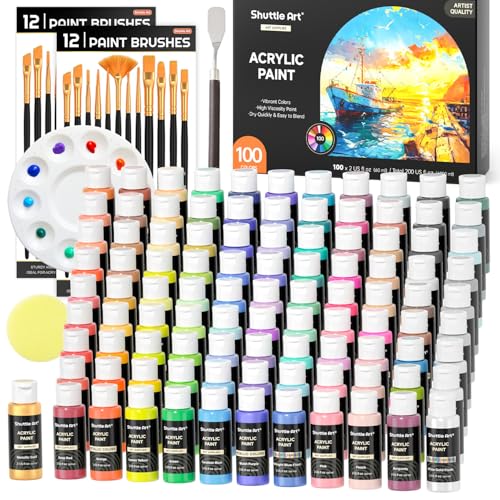

Painting Techniques for Synthetic Upholstery
Choose a high-quality bonding primer specifically designed for non-porous surfaces. Apply an even coat using a foam roller for a smooth finish. Allow it to cure according to the manufacturer’s instructions, which typically ranges from 1 to 4 hours.
Once dry, select an acrylic or urethane-based topcoat formulated for use on synthetic materials. Apply with a synthetic brush or a sprayer to achieve uniform coverage. I recommend two to three layers, allowing each coat to dry thoroughly before applying the next.
For optimal adhesion, consider lightly sanding between coats with fine-grit sandpaper. This creates a texture that helps the subsequent layer adhere better. Always wipe away dust with a damp cloth before proceeding to the next application.
| Step | Details |
|---|---|
| 1. Clean Surface | Use a mixture of mild soap and water to remove any grime or oils. Rinse and dry completely. |
| 2. Apply Primer | Use a foam roller for an even application. Dry as per instructions. |
| 3. Sand if Necessary | Lightly sand with fine grit paper after primer dries. |
| 4. Topcoat Application | Use a synthetic brush or sprayer. Apply 2-3 coats, allowing each to dry fully. |
Finally, allow the completed piece to cure for several days before heavy use. This ensures durability and longevity of the finish applied.
Choose the Right Type of Paint for Vinyl
For best results, I select acrylic latex or specially formulated spray coatings designed for synthetic surfaces. These options adhere well and maintain flexibility, crucial for avoiding cracks over time.
Acrylic paints are particularly beneficial due to their ease of application and quick drying. They provide a durable finish that can withstand regular use. I opt for paints with built-in primers or choose to apply a primer separately to enhance adhesion.
Spray options can offer an even coat, reducing the chance of brush strokes. If opting for this method, I ensure to use a primer specific to synthetic materials before applying the final coat.
For those seeking a high-gloss finish, an enamel paint is recommended. It offers added durability and a smooth surface, making it ideal for pieces that require a polished look.
Before making a selection, I check the manufacturer’s instructions on compatibility with synthetic materials to ensure optimal bonding and longevity of the finish.
Gather Necessary Supplies for the Project
I always begin with a checklist of materials. At the top of my list are high-quality primers specifically formulated for synthetic surfaces. These create a strong adhesive layer that ensures longevity.
Next, I include a selection of paintbrushes and foam rollers. A set with varying thicknesses helps cover different areas efficiently, ensuring smooth application.
I make sure to have painter’s tape as well. This allows for clean lines and protects areas I don’t want to coat. Along with this, I keep disposable cloths handy for any spills or touch-ups.
Proper ventilation is key, so I ensure I have a fan or open windows during the process. A respirator mask is also on my list for protective measures against fumes.
Finally, I gather clear topcoats or sealants. They provide an additional protective layer and enhance the finished look. With these supplies in hand, I’m ready to transform my piece efficiently.
Prepare the Vinyl Surface for Painting
I always begin with thorough cleaning. I use a mixture of warm water and mild soap to wipe down the entire area. This removes dirt and oils that might prevent adhesion.
Next, I rely on a fine-grit sandpaper (around 220-grit) to gently scuff the surface. This creates tiny abrasions that enhance the bond with the coating. I ensure not to sand too aggressively to avoid damaging the material.
After sanding, I vacuum the surface to remove the dust, then follow up with a damp cloth to ensure no particles remain. A clean surface is critical for achieving the desired finish.
I allow the surface to dry completely. Moisture can hinder the application process, so I always check for any signs of dampness before proceeding.
If there are any scratches or imperfections, I fill them using a suitable filler. Once it dries, I sand it smooth to maintain an even surface. Attention to detail at this stage pays off in the final results.
Select Proper Tools for Applying Paint
I recommend using high-quality synthetic brushes for precision work, especially when detailing corners and edges. A foam roller is an excellent choice for smooth surfaces, offering an even application without leaving brush strokes.
Look for a spray gun if you prefer a faster method with a professional finish. Make sure to practice on scrap material before proceeding to your main project to get familiar with the spray patterns.
It’s crucial to have painter’s tape handy for masking areas you don’t want to color. Additionally, a drop cloth will protect your surroundings from accidental spills, making clean-up simpler.
A paint tray is helpful for easy access to your coating, allowing you to load brushes or rollers without mess. Consider a stir stick for mixing your chosen coating thoroughly before applying it.
Lastly, wear protective gloves and a mask to ensure safety during the process, especially if using aerosol products. Comfort and protection enhance the overall experience while working on your project.
Apply a Primer Suitable for Vinyl Material
Select a primer designed explicitly for non-porous surfaces, ensuring optimal adhesion. Look for products labeled as suitable for plastic or synthetic finishes.
Before application, ensure the surface is clean and dry, free of dust and grease. Sanding lightly can enhance grip. Use a fine-grit sandpaper to create a better texture for the primer to attach to.
Follow these steps:
- Shake the primer well to ensure an even consistency.
- Use a brush or roller suitable for smooth surfaces. Apply the primer in thin, even coats.
- Allow sufficient drying time between coats according to the manufacturer’s instructions.
- Evaluate the coverage; if necessary, apply a second coat for complete opacity.
Testing the primer on a small, inconspicuous area helps verify compatibility before proceeding with the entire surface.
Considerations for Application
- Work in a well-ventilated area to avoid fumes.
- Use gloves to protect your hands from chemicals.
- Ensure that the ambient temperature meets the recommended range specified on the primer.
Master the Technique of Painting Vinyl Furniture
For optimal results, ensure the application process includes several key techniques. Begin with thin, even layers to prevent drips and ensure a smooth finish. Use light pressure when applying your coating; this will help maintain a uniform texture.
Layering Strategy
Start with a primer that adheres well to the material. After the primer dries completely, apply your chosen color. Depending on the paint utilized, multiple coats may be necessary to achieve full opacity and desired depth of color. Allow each coat to dry thoroughly before adding the next.
Drying Conditions
Drying time can vary based on temperature and humidity. Aim for a well-ventilated workspace, ideally at room temperature. If conditions are too humid or cold, consider using a portable heater or fan to expedite the process.
| Tip | Description |
|---|---|
| Thin Coats | Apply multiple thin layers rather than one thick coat. |
| Drying Time | Ensure each layer dries completely before the next is applied. |
| Ventilation | Work in a well-ventilated area to aid drying and reduce fumes. |
After achieving the desired finish, allow the piece to cure fully before regular use. This ensures durability and longevity of the new surface. Regular maintenance will help preserve the look for years to come.
Ensure Proper Drying and Curing Time
After completing the application process, it’s crucial to adhere to the recommended drying and curing times to achieve optimal results. Each product comes with specific guidelines that must be followed for the finish to bond properly.
- Allow the initial coat to dry thoroughly. This usually takes around 24 hours, but check the manufacturer’s instructions as some formulations may require longer.
- Apply additional coats if necessary, ensuring each layer is completely dry before adding the next. This can help prevent peeling and ensure a uniform appearance.
- After the final application, let the surface cure for at least a week before heavy use. This will help enhance durability and resistance to wear and tear.
- Avoid exposing the item to moisture or extreme temperatures during the curing phase, as this can compromise the integrity of the finish.
Using a fan or placing the piece in a well-ventilated area can expedite the drying process. However, be cautious not to use direct heat, as it may cause the surface to crack or blister.
Monitoring the environment is also beneficial. High humidity can extend drying times, while dry air can accelerate it. Use a hygrometer to check moisture levels if needed.
Maintain and Care for Painted Vinyl Furniture
Apply a clear protective finish after the color application to shield against scratches and stains. A sealant specifically designed for your surface type will enhance durability. I prefer a water-based urethane for its low odor and ease of cleanup.
Regular cleaning is key. Use a gentle soap solution or a pH-balanced cleaner to avoid damaging the finish. A soft cloth or sponge works well; avoid abrasive materials that could scratch the newly coated layer. Always test any cleaning solution on a hidden area first.
Keep the environment where the items are placed in mind. Excessive sunlight can fade the colors over time. Consider using window coverings or moving the pieces away from direct sunlight to maintain their appearance.
Avoid placing heavy objects directly on the surfaces immediately after treatment. Allow sufficient curing time as per the manufacturer’s instructions. Even after the surface feels dry, it may still require another week to fully cure and reach maximum hardness.
For repairs, address minor scratches with a touch-up kit or small amounts of matching color applied with a fine brush. For larger areas, you may want to sand lightly and reapply a coat of your finish.
Finally, regularly check for signs of wear, and address any damages promptly. Prompt maintenance prolongs the life and appearance of your transformed items.


