
 Caleb Turner
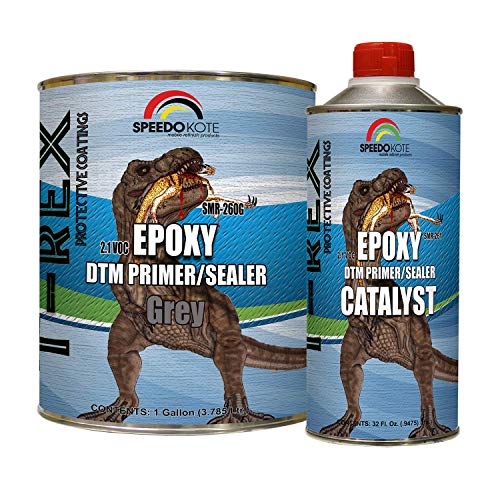
For an immediate upgrade to your surfaces, I recommend using a high-quality bonding primer. This step is critical, as it allows the new finish to adhere effectively, eliminating the need for prep work like scrubbing or scraping away the existing coating.
Select a primer specifically designed for slick finishes. Apply a thin, even layer with a foam roller or brush, ensuring complete coverage. Allow it to dry fully according to the manufacturer’s instructions. This preparation lays the groundwork for achieving a professional-looking transformation.
Once the primer has set, I prefer selecting a durable topcoat that suits the intended use of the item. An acrylic latex or chalk-based option often yields excellent results, providing both aesthetic appeal and resilience. Applying multiple thin coats, rather than a single thick layer, helps to avoid drips and clumping, ensuring a smooth finish.
After allowing ample drying time between layers, evaluate the surface. If further refinement is necessary, a light sanding with fine grit paper can smooth any imperfections. Remember to clean the area thoroughly to remove any dust before applying the final coat. This method can revive and refresh tired pieces efficiently.
Tips for Refreshing Synthetic Surfaces
For best results, choose a high-quality bonding primer that specifically states it adheres to non-porous surfaces. Apply it evenly across the entire area, ensuring complete coverage. Let it cure fully according to the manufacturer’s instructions before moving on, as this step is critical for adhesion.


Choosing the Right Topcoat
Select a durable, water-based acrylic or polyurethane finish designed for synthetic materials. These options offer robust wear resistance while maintaining a pleasing appearance. Apply the topcoat using a foam roller or a synthetic-bristle brush to minimize streaking and drips.
Sealing for Longevity
After the topcoat dries, consider adding a clear sealant for extra protection. This will enhance durability and simplify future cleaning and maintenance. Make sure the sealant is compatible with the topcoat you used. Follow the instructions to ensure optimal adhesion and longevity of your refreshed piece.
Choosing the Right Paint for Laminate Surfaces
For optimal results when transforming laminate items, I select acrylic latex or water-based paint. This type adheres well, dries quickly, and offers durability. Always verify the label for compatibility with non-porous surfaces.
Considerations for Selection
- Finish Type: I prefer a satin or semi-gloss finish. These levels provide a smooth, easy-to-clean surface that enhances durability.
- Color Variety: Explore multiple shades to match existing decor. Test samples can help visualize before finalizing choices.
- Non-toxic Options: I opt for low-VOC or zero-VOC products, especially for indoor spaces. This ensures better air quality during the application process.
- Brand Reputation: Research brands known for their adherence properties on slick finishes. I trust recommendations and online reviews before purchasing.
Application Essentials
Using a primer designed specifically for challenging surfaces is a must. This step increases adhesion and enhances finish quality. After applying the primer, I allow it to cure fully per the manufacturer’s instructions to ensure the best foundation for my chosen coating.
Always remember to use appropriate tools, like foam rollers or high-density brushes, to avoid texture issues. By following these guidelines, I’m confident in achieving a long-lasting and visually appealing transformation.
Preparing Your Workspace for a Clean Project
Clear the area where you will be working. Move all adjacent items to ensure no dust or debris can interfere with the process. Use a drop cloth or old newspapers to cover the floor, protecting it from any unexpected spills or drips.
Ensure proper ventilation by opening windows and doors. If possible, use a fan to circulate air, which helps minimize any fumes released during the application of coatings.
Gather all necessary supplies before starting. I keep my tools–brushes, rollers, trays, and cleaning materials–within arm’s reach so I don’t waste time searching for them.
Wear old clothes and protective gear like gloves and a mask. This not only safeguards my skin and lungs but also keeps my work area neat. It’s better to be prepared than to ruin a favorite outfit.
Set up a dedicated area for mixing colors or preparing your chosen substances to prevent mess in the main workspace. A small table or a sturdy surface works well for this purpose.
Finally, organize your workspace in a way that promotes efficiency. Arrange items in a logical order, making the process smoother and allowing me to focus on transforming the surfaces rather than navigating a cluttered environment.
Cleaning and De-greasing Surfaces
Mix a solution of warm water with dish soap. Use a microfiber cloth or sponge to apply the mixture, ensuring to scrub all areas thoroughly to eliminate dirt and oils. Rinse the cloth and wipe the surfaces again with clean water to remove any soap residue.
For tougher stains or greasy spots, create a paste using baking soda and water. Apply the paste directly to the affected area, let it sit for about 10 minutes, then scrub gently with a cloth. Rinse well to ensure no residue remains.
After cleaning, using a de-greaser can enhance the cleaning process. Spray the de-greaser on a clean cloth and wipe down the surfaces. Make sure to follow the manufacturer’s instructions regarding drying times.
| Cleaning Method | Materials Needed | Application Tips |
|---|---|---|
| Soap and Water | Dish soap, warm water, microfiber cloth | Scrub all surfaces, rinse thoroughly |
| Baking Soda Paste | Baking soda, water | Apply to stains, let sit for 10 min, scrub |
| De-greaser | Commercial de-greaser | Follow instructions, wipe with a clean cloth |
Allow the surfaces to dry completely before proceeding. This step is critical for adhesion and to achieve a smooth finish later on.
Applying Primer for Better Paint Adherence
Using a quality primer is critical for achieving a smooth and lasting finish on synthetic surfaces. An appropriate primer can significantly enhance the bond between the new coating and the surface. I always opt for an acrylic-based primer, as it offers excellent adhesion and flexibility. Choose a formula specifically designed for slick surfaces, which ensures optimal compatibility.
Application Techniques
Before applying, I ensure the area is clean and dry. Using a high-density foam roller or a soft brush can provide an even coat without leaving brush strokes. It’s best to apply a thin layer, allowing it to dry fully according to the manufacturer’s instructions. This drying time is essential–rushing might compromise the effectiveness of the underlying layer.
Coating Coverage
Typically, one coat of primer suffices, but I always keep an eye out for any uneven spots after the first application. If I spot any, I follow up with a second light coat to ensure full coverage. After the primer dries completely, I lightly sand it with fine-grit sandpaper for added smoothness, yielding a surface that welcomes the final color beautifully.
Techniques for Applying Paint Smoothly
I recommend using a high-density foam roller for achieving an even coat. This tool helps minimize brush marks and leaves a smooth finish. When rolling on, maintain a wet edge to prevent noticeable lines or laps in the layer.
To reduce drips and runs, apply thin layers and allow sufficient drying time between coats. I typically wait at least 2 hours before applying the next layer. This helps ensure proper adhesion and an impeccable final appearance.
A quality brush with synthetic bristles is essential for cutting in around edges and corners. Choose a brush size that suits the area–larger brushes for wide surfaces and smaller ones for detailed work. Use long, even strokes to enhance the finish, and avoid excessive pressure.
For touch-ups, use a small artists’ brush. Dip it lightly into the color, and apply to missed spots or imperfections without adding too much paint at once. This technique allows for correcting minor flaws seamlessly.
After the final coat, consider using a clear topcoat for added durability. It enhances the color depth and provides a protective layer against scratches and wear. Look for a water-based option for easy application and clean-up.
Finishing Touches and Curing Time Considerations
Wait at least 24 hours after applying the last layer before placing items on the surface. This period allows the coating to cure properly, essential for achieving durability. Curing time can vary based on factors such as humidity and temperature.
Final Coating for Protection
To enhance longevity, consider adding a clear sealer. This step is particularly beneficial if the item will encounter heavy use. When selecting a sealer, ensure compatibility with the type of coating used to avoid any adverse reactions.
- Acrylic sealers dry clear and provide a durable finish.
- Polyurethane options offer high durability for high-traffic items.
Inspection and Touch-Ups
After curing, inspect for any imperfections. Minor flaws can be corrected easily with a small brush. Always allow touch-up applications to cure fully as well.
- Use a fine-grit sanding sponge for smooth edges on touch-ups.
- Apply additional coats selectively to areas needing extra coverage.
By adhering to these steps, the final appearance will be smooth, with lasting results. Investing time in the finishing process ensures a beautiful and resilient surface for years to come.


