
 Caleb Turner
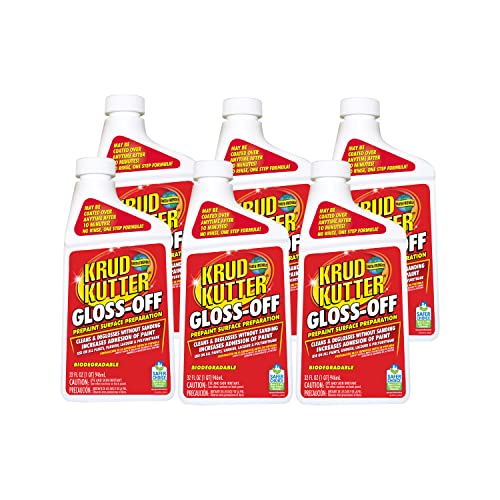
For successful transformation of surfaces previously treated with a protective coating, thorough preparation is essential. First, I recommend using a strong degreaser or a specialized furniture cleaner to break down the waxy buildup. This step ensures that subsequent layers adhere properly.
After cleaning, it’s crucial to lightly sand the surface. A fine-grit sandpaper will do the job well; this process scuffs the surface enough to promote adhesion, while avoiding deep scratches. Always remember to wipe away any dust with a damp cloth post-sanding.
Applying a good quality primer will provide an excellent foundation for the final finish. A bonding primer is particularly effective as it enhances grip on tricky surfaces. Allow the primer to dry fully before moving on to your desired top coat.
Preparation Steps for Reapplying Finish
Ensure thorough cleaning of the surface first. Use a solution of warm water and mild soap to remove dirt and oils. Rinse and allow it to dry completely.
Once dried, lightly sand with fine-grit sandpaper. This helps to create a texture that new coatings will adhere to. Focus on areas with thick wax residue, making sure to keep the surface smooth.


After sanding, wipe down the piece with a tack cloth to remove dust particles. A clean surface is essential for a successful application.
Choosing the Right Coating
Select a primer specifically designed for slick surfaces. This will help the new finish bond effectively. Apply one coat and allow it to cure as per the manufacturer’s guidelines.
Next, opt for a finish that suits your desired look–be it matte, satin, or gloss. Always test on a small, inconspicuous area before full application.
Application Techniques
- Use a brush for edges and intricate details.
- A foam roller works best for flat surfaces, ensuring an even coat.
- Apply thin layers, allowing each to dry thoroughly before adding more. This prevents drips and uneven finish.
Final inspection upon completion is crucial. Look for any inconsistencies and sand lightly if necessary before applying a final coat for a polished appearance.
Assessing the Wax on Your Furniture
I begin the evaluation by running my fingers across the surface to determine the level of wax present. If it feels smooth and slightly slippery, a considerable amount remains. A clean, dry cloth can help in checking for residue; if the cloth picks up a greasy film, it indicates extensive coating. For more accuracy, I apply a small amount of mineral spirits on a hidden area and inspect the result. If the spirits dissolve the finish and the cloth shows color transfer, layers exist underneath.
Testing Methods
I like to use the water test for an initial assessment. Dropping a bead of water on the surface reveals the presence of wax; if it beads up and doesn’t absorb, this is a clear sign of wax. Alternatively, I can use denatured alcohol on an inconspicuous spot. If the finish softens or removes, it means wax has been applied.
Documenting Findings
<pKeeping notes on the type of finish, condition, and results from my tests helps me plan the right approach moving forward. Understanding the build-up's complexity can significantly influence the next steps and products used, ensuring better results in future projects.
Choosing the Right Paint for Waxed Surfaces
For optimal results, I recommend using chalk or mineral-based coatings. These types adhere well to slick surfaces and tend to bond effectively with the existing finish.
Considerations for Selection
- Adhesion: Look for products specifically marked for use on glossy or sealed surfaces.
- Durability: Select a formulation designed for high-traffic items if the piece will see regular use.
- Finish Type: A matte or satin finish can help minimize imperfections and provide a contemporary look.
- Application: Some brands come ready for use, while others may require mixing or thinning, so check instructions carefully.
Color and Texture Options
Choosing a shade that complements your décor can enhance the overall aesthetic of the transformed item. Don’t hesitate to experiment with textures, such as a distressed effect, to achieve depth and character.
Preparing the Waxed Surface for Painting
First, I clean the surface thoroughly using a mixture of warm water and mild detergent. This removes any dust and residues without damaging the underlying finish.
Next, I use a fine-grit sandpaper (around 220-grit) to scuff the surface gently. This step is crucial as it helps to create a surface profile that promotes adhesion. I pay special attention to corners and intricate details, using sanding sponges or smaller tools as needed.
After sanding, I wipe the area with a tack cloth to eliminate any dust particles. At this point, it’s important to ensure the surface is completely dry and free of any debris.
If the original coating is thick or glossy, I consider using a deglosser to enhance adhesion further. I follow the product instructions carefully, applying it to a cloth and wiping down the surface evenly.
For additional reassurance, I apply a coat of a quality primer designed for difficult surfaces. This step guarantees a smoother finish and better longevity for the final layer, thus minimizing the risk of peeling or chipping later on.
Cleaning Techniques to Remove Wax Residue
To effectively eliminate wax residue from surfaces, I recommend using denatured alcohol. Apply it with a clean cloth and gently rub the area until the wax dissolves. This method is particularly useful because it evaporates quickly, minimizing moisture exposure.
Other Effective Solutions
Alternatively, try using mineral spirits, which work well on stubborn wax. Soak a cloth and wipe down the affected area. Be sure to ventilate the space as you work with these solvents to ensure safety.
Comparison of Cleaning Techniques
| Method | Effectiveness | Drying Time | Ventilation Required |
|---|---|---|---|
| Denatured Alcohol | High | Fast | Yes |
| Mineral Spirits | Very High | Moderate | Yes |
| Soap and Water | Low | Slow | No |
After cleaning, always allow the surface to dry thoroughly before proceeding with any further treatment. This ensures optimal adhesion of new coatings.
Applying Primer for Better Adhesion
I always recommend using a quality primer specifically designed for glossy surfaces. This step enhances the grip between the new coating and the existing finish. A bonding primer or an oil-based primer can be particularly effective in this scenario.
Before application, make sure to thoroughly stir the primer to ensure an even consistency. Using a brush or a high-density foam roller works best for a smooth finish. Avoid using a thick nap roller, as it may leave a textured surface.
Apply a thin coat, allowing adequate drying time according to manufacturer instructions, generally about one to two hours. After the first layer is dry, inspect the surface. If necessary, apply a second coat for optimal adhesion.
Once the primer is completely cured, lightly sand the surface with fine-grit sandpaper to promote further bonding. Wipe away any dust with a clean, damp cloth before moving on to the next phase of your project.
Painting Techniques for a Smooth Finish
For a flawless result, I recommend using a high-quality synthetic bristle brush or a foam roller. Synthetic bristles are perfect for water-based products and foam rollers provide an even layer without leaving brush marks.
Layering for Perfection
Applying thin coats is key. Allow each layer to dry completely before adding another. This prevents drips and ensures a uniform application. Typically, two or three coats may be necessary for optimal coverage and appearance.
Finishing Touches
Consider lightly sanding between coats with fine-grit sandpaper. This step enhances adhesion and yields a smoother finish. After the final coat, a clear topcoat can be applied for added durability and shine.
Finishing Touches to Protect Your New Coat
Once the top layer is dry, I recommend applying a clear protective finish to extend durability. Choose between polyurethane or a water-based sealant, depending on the desired sheen. For a natural look, opt for a matte or satin finish.
Before application, ensure the surface is clean and free of dust. Lightly sand the top layer using fine-grit sandpaper to improve adhesion for the sealant. Wipe away any dust with a damp cloth.
When applying the protective layer, use a high-quality brush or foam applicator to avoid bubbles. Apply thin, even coats, allowing adequate drying time between layers. Usually, two to three coats will provide optimum protection.
After the final coat, allow the sealant to cure according to the manufacturer’s guidelines. This step is essential for achieving the best result and ensuring longevity. Keep the piece in a dust-free area during this time to prevent imperfections.
Consider letting the surface cure for several days before putting it to regular use. This helps the finish set properly, contributing to a resilient surface that will withstand wear.
Lastly, avoid using harsh chemicals for cleaning. A gentle soap and water solution will maintain the finish without causing damage. Regularly inspect for signs of wear, and reapply the protective layer as needed to keep the surface looking pristine.


