
 Caleb Turner
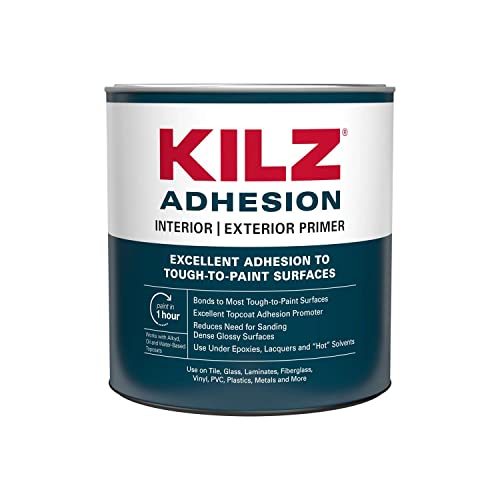
Using a high-quality bonding primer is your first step to refreshing those dark surfaces. This primer creates a strong adhesive layer, ensuring that the subsequent coating adheres properly.
Choose a paint designed for non-porous surfaces. Ensure it’s formulated to stick directly to finishes, which eliminates the need for the laborious process of preparation. A satin or eggshell finish offers a lovely sheen, enhancing the final appearance.
Apply multiple thin coats for even coverage. Waiting the recommended drying time between layers is crucial for achieving a flawless look. A foam roller provides a smooth application and minimizes brush marks.
Once completed, allow the newly coated items to cure fully before placing them back into use. This period ensures maximum durability and adherence, making your newly transformed pieces last for years to come.
Painting Techniques for Dark Surfaces
Consider using a high-quality primer specifically designed for challenging surfaces. This will ensure better adhesion for the subsequent coats. Choose a water-based primer to avoid strong odors and facilitate clean-up.


Choose a suitable paint type such as a matte or satin finish, which adheres better than glossy alternatives. Opt for paints labeled as “self-priming” for simplicity and efficiency.
- Gather necessary supplies: brush, roller, paint tray.
- Thoroughly clean the surface to remove any dust or grease. A mild detergent and water solution works well.
- Use a brush for corners and hard-to-reach areas, while utilizing a roller for larger, flat surfaces. This approach enhances coverage and authenticity.
Allow drying time according to the manufacturer’s guidelines between coats to ensure a smooth finish. Depending on the desired hue, two to three layers may be necessary for optimal color richness.
Lastly, consider adding a protective topcoat, like a clear polyurethane, to enhance durability and longevity while maintaining the aesthetic appeal of the new surface treatment.
Choosing the Right Type of Paint for Your Furniture
Opt for a high-quality acrylic or chalk finish for superior adhesion and coverage. These options work well on non-porous surfaces and require minimal prep. Acrylic provides a durable and washable surface, perfect for everyday use.
If you seek a matte or vintage look, consider chalk finishes. They create a soft texture that enhances rustic aesthetics but may need a sealant for longevity.
Look for products labeled as “No Sanding Required” or “Bonding Primer” to ensure proper adherence. Primers specifically designed for slick surfaces are also beneficial in achieving a lasting outcome.
Consider the finish: satin or eggshell reflects light beautifully, while matte and flat finishes offer a more muted appearance. Choose according to your style preference and the room’s ambiance.
If you’re working indoors, use low-VOC or water-based solutions to minimize odors and promote a healthier environment.
Test a small area before committing to a full coat to ensure compatibility and satisfaction with the finish. This step can save time and resources in the long run.
Preparing the Furniture Surface for Painting
Thoroughly clean the surface with a mixture of warm water and a mild detergent to remove any dust or grease. Rinse with clean water and ensure the area is dry before proceeding.
Apply a degreaser if the prior cleaning doesn’t fully eliminate residues. Choose a product suitable for the material you’re working with, following the manufacturer’s instructions for application.
After cleaning, inspect for any imperfections such as scratches or dents. Use a suitable filler to repair these areas, following the product guidelines for drying times and application techniques.
Once repairs are complete and fully dried, wipe the surface again with a damp cloth to eliminate any dust from the repair process. This ensures a smooth base for the application of your new finish.
Next, apply a coat of primer suited for your specific new finish. A high-adhesion primer can help ensure that subsequent layers adhere properly, especially when working with previously stained or glossy surfaces.
Allow the primer to dry according to the recommended drying time on the product label. Conduct a light sanding with a fine-grit sandpaper if the finish feels rough after drying–this step can enhance the texture for better adhesion.
Finally, ensure adequate ventilation in your workspace to allow for proper curing of all products used. This helps prevent issues such as bubbling or peeling that can arise from trapped moisture.
Selecting and Using a Primer for Best Results
For optimal coverage and adhesion, I recommend a high-quality bonding primer specifically designed for glossy surfaces. These primers are formulated to create a strong bond, ensuring the subsequent layers adhere properly.
Types of Primers
- Oil-based primers: These work well on slick surfaces and resist stains, making them ideal for darker finishes.
- Water-based primers: Faster drying and easier cleanup; suitable for many projects where odor and drying time are concerns.
- Shellac-based primers: Excellent at blocking stains and odors, these can be particularly effective for heavy-duty projects.
Application Tips
- Ensure the surface is clean and free of dust or grease before starting.
- Apply a thin, even layer using a synthetic brush or foam roller, which minimizes texture.
- Allow adequate drying time as per the manufacturer’s instructions; this is crucial for proper adhesion.
- For maximum effectiveness, consider lightly sanding between primer and finishing layers if needed, even if not extensive.
Following these guidelines will significantly enhance the durability and appearance of your project. A well-chosen primer lays a solid foundation, ensuring that the final finish looks professional and lasts longer.
Applying Paint: Tools and Techniques
I recommend using a high-quality brush or a foam roller for smooth applications, as these tools minimize visible strokes and provide an even finish. A small brush is ideal for tight corners and intricate areas, while a roller can cover larger surfaces efficiently.
Step-by-Step Application
Prior to beginning, ensure the area is well-ventilated. I often find it helpful to apply paint in thin layers, allowing each coat to dry completely before adding the next. This technique not only prevents drips but also improves adhesion.
When applying, I choose to work in sections, maintaining a wet edge to avoid lap marks. A light touch is essential; pressing too hard can disrupt the underlying finishes or create uneven spots.
Finishing Touches
After achieving the desired coverage, I let the final layer cure for several days, which helps to harden the surface and enhance durability. If I want a glossy finish, a clear topcoat is perfectly suited for protection and longevity.
Regularly cleaning brushes and rollers during the process ensures they remain in optimal condition for the next use and can extend their lifespan. Using warm soapy water for water-based products or appropriate solvents for oil-based ones keeps everything in good shape.
Finally, patience is key. Allowing each coat sufficient time to cure yields the best results, transforming your item with lasting beauty.
Creating Smooth Finishes Without Sanding
For a flawless finish, proper selection of tools and techniques is essential. I recommend using a high-density foam roller or a quality synthetic brush, which provides even coverage while minimizing brush strokes. These tools help achieve a smooth texture without the need for roughening the surface.
Techniques for Application
A few techniques can enhance surface smoothness. First, apply thin coats instead of one thick layer. This reduces the chance of drips and allows better drying, leading to a more even finish. Second, after applying each coat, lightly sand with very fine grit sandpaper once dry; this allows subsequent coats to adhere better and results in a smoother final product.
Finishing Touches
Using a clear topcoat is beneficial. A water-based polyurethane or a clear acrylic sealer not only provides protection but also enhances the glossy appearance. Make sure to apply this top layer with a foam applicator for an immaculate look.
| Technique | Description |
|---|---|
| Thin Coats | Applies more layers, reducing drips. |
| Foam Rollers | Minimizes brush strokes for smooth finish. |
| Fine Sanding | Smooths surface between coats for adhesion. |
| Clear Topcoat | Enhances durability and appearance. |
Careful tool selection and application techniques streamline the process, providing a beautiful, smooth result on previously dark-stained surfaces.
Sealing and Maintaining Your Newly Painted Furniture
To preserve the finish, apply a quality topcoat or sealer after the color application has dried completely. Choose a water-based polyurethane for a durable, non-yellowing barrier. Use a synthetic brush for smooth application, avoiding foam brushes that may leave bubbles.
Regular maintenance includes dusting with a soft cloth and using a gentle cleaner formulated for painted surfaces. Avoid harsh chemicals that can degrade the finish.
Consider periodic touch-ups for areas that experience more wear, especially on edges and high-contact zones. Store in a stable environment, avoiding excessive humidity or direct sunlight to prolong the appearance.
If you notice scratches or scuffs, a light wash with soapy water and a microfiber cloth is often sufficient. For deeper damages, lightly sand the affected area and reapply your topcoat for a seamless repair.
Lastly, keep an eye on the furniture’s condition. Immediate attention to any wear will ensure the longevity of your newly enhanced pieces.


