
 Caleb Turner
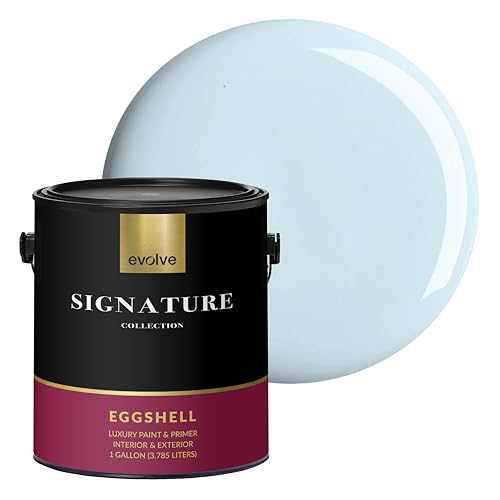
To achieve a smooth and durable finish on your little one’s items, I recommend starting with a thorough cleaning. Use a gentle soap solution to remove dirt and grease, which will ensure proper adhesion of the new coating.
Once clean, I suggest using fine-grit sandpaper to lightly scuff the surface. This step enhances the grip for the coating you’ll apply, preventing chipping and peeling in the future. After sanding, wipe off any dust with a microfiber cloth.
Choosing the right type of coating is crucial. I prefer water-based options. They dry quickly, emit fewer fumes, and are safer for children’s environments. Always apply a primer first; it seals the surface and increases durability while ensuring the true color shines through.


For application, I utilize a high-quality brush or a foam roller for an even finish. Thin, even layers yield the best results. Waiting for each coat to dry completely before the next application is key; this could take anywhere from one to four hours depending on your chosen product. Don’t forget to lightly sand between coats for a smooth texture.
Finally, let the final layer cure fully before introducing the item back into the child’s space. This patience pays off with a long-lasting result that will withstand the wear and tear of daily life.
Steps for Refreshing Baby Room Essentials
Choose a high-quality primer suitable for the material of the items you’re working on. For wooden surfaces, opt for a water-based primer to ensure a smooth base and better adhesion of the color layer.
Materials Needed
- High-quality primer
- Non-toxic acrylic or chalk-based coating
- Fine-grit sandpaper
- Soft cloth
- Brushes and foam rollers
- Drop cloths
- Sealant (optional)
Application Process
- Sand the surfaces lightly to enhance adhesion and remove any old finish. Make sure to wipe away dust with a soft cloth.
- Apply a thin coat of primer using a brush for corners and a roller for larger areas. Allow it to dry completely per the manufacturer’s instructions.
- Once the primer is dry, proceed with the first coat of your chosen hue. Use long, even strokes to achieve a consistent finish. Let it dry thoroughly.
- Assess the coverage. If necessary, apply a second coat for a flawless appearance. Pay attention to edges and detailed areas.
- After achieving the desired color, consider adding a clear non-toxic sealant for added durability, especially on surfaces that will face wear and tear.
Keep the room well-ventilated during this process, especially when using sealants. Allow ample drying time between coats for the best results. Final touches can include adding decals or patterns if desired.
Choosing the Right Paint for Nursery Furniture
Opt for non-toxic, water-based options to ensure safety. Look for brands that specify low in volatile organic compounds (VOCs) to create a healthy environment.
Test samples on small, inconspicuous areas to gauge adhesion and color before committing to a full application. Consider matte finishes for a softer look, while satin can provide durability against wear and tear.
Check for certifications like Green Seal or Greenguard, which indicate adherence to safety standards. If you desire creative freedom, chalk or milk paints can offer unique aesthetics but may require additional sealing for longevity.
Seasonal changes can impact color perception, so consider the overall lighting in the room when selecting hues. Pastels and gentle tones can evoke a calming atmosphere, while brighter shades bring energy.
Plan for the practical aspects as well. If furniture will experience heavy use, choose robust formulations intended for high-traffic surfaces to ensure lasting quality.
Preparation matters. Clean and sand surfaces before application to enhance paint adherence. A primer can create an even base and improve the finish.
Preparing Pieces for Coating: Sanding and Cleaning
Begin with sanding surfaces to create a smooth base and enhance adhesion. Use medium-grit sandpaper (around 120-150 grit) to remove any existing finish and imperfections. For intricate areas, consider a sanding sponge or detail sander. Make sure to sand in the direction of the grain to avoid scratches.
Cleaning Thoroughly
After sanding, clean all surfaces to remove dust and debris. A damp cloth works well for this, but ensure it is not overly wet, as excess moisture can damage the material. For stubborn residues, a mixture of warm water and mild detergent can be used. Rinse with a clean, dry cloth afterward to eliminate any soap residue.
Assessing Material Integrity
Examine each piece for any damages like cracks or chips. Repair or fill these areas with wood filler, allowing it to dry completely before continuing. Sand the repaired sections smoothly to ensure an even finish. Following these steps ensures a solid foundation for your upcoming project.
Using Primer: When and Why It Matters
I always opt for a primer when transforming wooden items or those made of composite materials. This preparatory coat plays a pivotal role, improving adhesion for the finishing layer. A primer ensures uniformity in texture and minimizes the risk of stains or discoloration from the underlying surface.
Applying a primer before the final coat can enhance the durability of the finish, making it more resistant to scratches and chips. I prefer using a water-based primer for a less toxic environment, especially in spaces frequented by children. This choice allows for easier cleanup while providing excellent coverage.
Choosing a high-quality primer specifically formulated for the type of material I’m working with is essential. Oil-based options may be ideal for metal, while latex-based primers work wonders on wood. The absorption rate is also a factor; porous surfaces benefit significantly from a primer, as it fills in tiny gaps and creates a smooth base for the top layer.
| Primer Type | Best Use | Drying Time |
|---|---|---|
| Water-Based Primer | Wood, Composite | 1-2 hours |
| Oil-Based Primer | Metal, Stained Surfaces | 4-6 hours |
| Shellac Primer | Stained Surfaces, Tough Finishes | 30 minutes |
After priming, I always let the surface dry thoroughly before adding the finishing coat. Not only does this help avoid any unwanted texture or application issues, but it also enhances the longevity of the final look. Skipping this step could lead to peeling or flaking down the line.
Selecting the Best Brushes and Tools for the Job
For achieving a flawless finish, I recommend using high-quality synthetic bristle brushes. They hold paint well, allowing for smooth application without leaving streaks. Choose sizes that suit the dimensions of the project; a smaller brush is ideal for corners and detailed areas.
Types of Brushes
- Angle Brush: Perfect for cutting in along edges and corners.
- Flat Brush: Great for large, flat surfaces to ensure even coverage.
- Round Brush: Useful for intricate designs and touches on small details.
In addition to brushes, consider rollers for larger flat areas. They provide a quicker method of coverage while minimizing brush strokes. Look for microfiber or foam rollers, as they deliver a smooth application.
Additional Tools
- Paint Tray: A sturdy tray allows for easy loading of the brush or roller.
- Tape: Use painter’s tape to protect surfaces and achieve clean lines.
- Drop Cloths: These protect your floor from splatters and drips.
- Sanding Block: Ensures a smooth finish by preparing surfaces before starting.
Keep a clean-up kit handy with rags and solvent for accidental spills. Ensuring you have the right tools not only enhances the quality of the work but also makes the entire process more enjoyable.
Techniques for Evenly Applying Paint
I recommend using a spray gun for a smooth finish, especially on intricate designs. Diluting the coating can enhance flow, minimizing clogs and promoting evenness. Aim for thin layers rather than a thick coat; it helps prevent runs and streaks.
For those preferring traditional methods, opt for a high-quality brush or a foam roller. A brush with tapered bristles allows for precise application in corners, while a foam roller minimizes texture and leaves a seamless appearance on flat surfaces.
Always apply in long, consistent strokes. I find that working in small sections is effective; this way, I can manage the wet edge and avoid lap marks. Maintain a wet edge by overlapping slightly with each stroke to ensure cohesion across the surface area.
I recommend using a filter while mixing the product to eliminate any lumps or impurities that may interfere with the finish. A clean application is vital for a smooth result.
Temperature and humidity play critical roles. I suggest working in a well-ventilated area and at ideal conditions–generally between 65°F and 85°F with low humidity levels. This helps in avoiding drips and uneven drying.
Don’t skip the drying time. Each layer should be thoroughly dried before applying the next, preventing lifting and providing a uniform finish. For an extra touch, lightly sand between coats once they’re dry; this helps with adhesion and smoothness.
Dealing with Common Painting Mistakes
To correct drips and runs, carefully scrape excess with a razor blade after drying, then sand the area lightly before reapplying another coat. If uneven coverage appears after drying, a light sanding followed by a thin new layer can smooth the surface.
Addressing Streaks and Bubbles
Streaks can arise from inadequate blending or using the wrong tools. Try a roller for larger areas and a brush for corners and edges, ensuring both tools are loaded evenly. For bubbles, avoid shaking cans before use; stir gently instead. If bubbles form while applying, use a brush to smooth them out immediately.
Dealing with Chipping and Peeling
Chipping often results from insufficient surface preparation. In case of peeling, it’s best to remove the affected area entirely and start fresh. Ensure thorough cleaning and priming, followed by the proper application technique to avoid these issues in the future.
Addition of Decorative Finishes: Stencils and Patterns
Using stencils and patterns effectively enhances the aesthetic of a child’s space. This approach allows for creativity while maintaining a whimsical atmosphere. Choose durable and reusable stencils for best results. Here’s how to integrate them seamlessly:
Choosing and Using Stencils
- Opt for stencils that align with the theme and color palette of the room. Popular choices include animals, geometric shapes, or floral designs.
- Secure the stencil in place using painter’s tape. This prevents shifting during application.
- Utilize a dry brush technique: dip the brush lightly into the chosen color, remove excess paint, and gently dab onto the stencil. This method minimizes bleed.
Incorporating Patterns
Patterns can transform a simple piece into an eye-catching focal point. Consider these tips:
- Measure and plan the layout before starting. Use a pencil to lightly outline where patterns will go.
- For stripes or polka dots, masking tape helps create clean lines. Apply it securely before painting.
- Experiment with layering colors for depth. Allow each layer to dry thoroughly before adding the next.
Experimentation with stencils and patterns invites individualized touches that can grow with the child. Make adjustments as needed to create a joyful and inspiring environment.
Ensuring Safety: Non-Toxic Paint Options
I recommend opting for water-based paints free from harmful chemicals. Brands that offer low- or zero-VOC (volatile organic compounds) options are ideal, ensuring air quality remains safe. Look specifically for products labeled as non-toxic and compliant with safety standards like ASTM D4236.
Types of Non-Toxic Coatings
Chalk paint and milk paint are excellent alternatives, as they are often made from natural ingredients. Chalk paint provides a matte finish, while milk paint offers a more traditional appearance. Both are easy to work with and provide good coverage.
Certification and Labeling
Always check for certifications such as Greenguard Gold or EcoLabel, which indicate the product has been tested for low emissions. Additionally, choosing brands that prioritize sustainability can ensure that your choice is safe for your little ones and the environment.
Post-Painting Care: Curing and Maintenance Tips
Allow the surface to cure for at least two weeks before exposing it to heavy use. This ensures the finish hardens properly and develops durability.
Cleaning Recommendations
Clean the newly coated item with a soft, damp cloth. Avoid harsh chemicals to prevent damaging the finish. For tougher stains, use a mild soap solution followed by a clean water rinse.
Protection Strategies
Apply a protective sealant or topcoat if the finish is not already fortified. This step enhances longevity and adds an extra layer against scratches and spills.
| Maintenance Task | Frequency | Tips |
|---|---|---|
| Dusting | Weekly | Use a soft microfiber cloth. |
| Deep Cleaning | Monthly | Use mild soap and water; avoid abrasive materials. |
| Inspect for Damage | Every 3 months | Look for chips or scratches and touch up as needed. |
| Apply Protective Coating | Annually | Choose a compatible sealant for restoration. |
Avoid placing hot items directly on the surface and use coasters for beverages to minimize moisture exposure. Implementing these maintenance steps will keep the finish looking fresh and intact for years.


