
 Caleb Turner
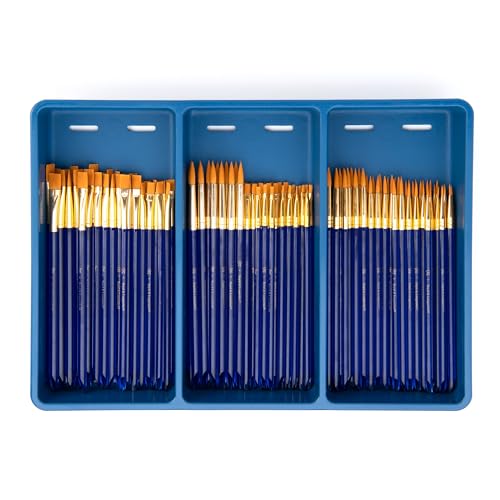
If you’re planning to refresh the look of your work environment, using a brush or spray can dramatically change the atmosphere. Selecting high-quality primers and paints will ensure a long-lasting finish, while choosing the right colors can influence mood and productivity.
Before getting started, ensure you have the necessary tools, such as sandpaper to prepare surfaces, brushes of various sizes, and drop cloths to protect surrounding areas. Create a well-ventilated space to avoid inhaling fumes and facilitate drying times.
Utilizing a primer enhances adhesion and prevents the previous finish from bleeding through. After applying the selected color, a clear coat may provide added protection and shine, enhancing the durability of the surface. Consider matte, satin, or gloss finishes based on the desired aesthetic and maintenance preferences.


Experimenting with techniques like sponging or stenciling can add unique details. By incorporating these tips, you can achieve a modern and inviting ambiance that reflects your personal style while boosting the overall appeal of your workspace.
Techniques for Transforming Your Workspace Items
For a durable and appealing surface on your workspace items, clean them thoroughly using a mixture of mild soap and water. Ensure all dirt and grease are removed.
Utilize a high-quality primer tailored for your specific material type–wood, metal, or plastic. This base layer promotes adhesion and enhances longevity.
Applying multiple thin layers of color is key. I prefer spray applications for an even finish; hold the can about 12 inches away and use smooth, sweeping movements.
Allow each coat ample time to dry before applying the next. Drying times can vary, so consult the product label for guidance.
To achieve a glossy look, consider a clear coat. This not only provides extra shine but also layers protection against everyday wear.
For a professional finish, use fine-grit sandpaper between coats. This technique smooths imperfections and helps subsequent layers to adhere better.
Lastly, ensure adequate ventilation during this process. Proper airflow prevents fume buildup and promotes quicker drying.
Choosing the Right Paint for Different Materials
Select the appropriate coating for each surface type to ensure durability and finish quality. For wood items, opt for acrylic or latex formulations that provide good adhesion and flexibility. These options minimize chipping and cracking, ideal for areas with frequent use.
Metal structures require oil-based enamels or rust-inhibiting sprays. These coatings resist corrosion and prevent rust, maintaining the integrity of the metal over time. Before application, ensure the surface is clean and free of grease to promote strong adhesion.
For laminate surfaces, specialized bonding primers followed by either latex or acrylic finishes work best. This combination ensures the new layer adheres properly, overcoming the slick nature of laminate material.
Fabric pieces can benefit from fabric sprays or specialized textile paints that allow for flexibility while providing vibrant colors. Test the paint on a small area first to check for compatibility and color fastness.
Always thoroughly prepare the surfaces before any application. This includes cleaning, sanding where necessary, and priming to enhance the longevity of the finish. Selecting the correct products and following specific preparation steps guarantees satisfactory results.
Preparing the Surface: Cleaning and Sanding Tips
Thoroughly eliminate dust, grime, and any residues by using a diluted solution of soap and water. A microfiber cloth works best for picking up dirt without leaving lint behind.
After cleaning, ensure the surface is dry before moving on to sanding. Use medium-grit sandpaper (around 150-180 grit) to create a smoother texture. This step is crucial for achieving better adherence of the finish.
Techniques for Sanding
Sanding can be done by hand or with an electric sander, depending on the size of the piece. For intricate areas, opt for hand sanding to avoid removing too much material. Always sand in the direction of the grain to prevent scratches.
Final Cleanup
Post-sanding, wipe the entire area with a tack cloth to capture any leftover dust particles. This ensures that the first application of your chosen coating adheres properly and results in a smooth finish.
Selecting Brushes and Rollers for Furniture Painting
For achieving a smooth finish on your items, I recommend using synthetic bristle brushes or rollers made from high-density foam. Synthetic bristles work well with water-based coatings, allowing for easy application without leaving brush strokes.
Brush Selection
When choosing a brush, the size and shape are vital. A 2- to 3-inch angled brush is perfect for corners and edges, while a larger flat brush can cover broader surfaces efficiently. Keep in mind that a good quality brush retains paint better, ensuring an even application. Opt for the following sizes based on your project needs:
| Brush Type | Recommended Size |
|---|---|
| Angled Brush | 2-3 inches |
| Flat Brush | 3-4 inches |
Roller Selection
For larger surfaces, foam rollers are highly effective. They provide a smooth finish and can hold more material than traditional fabric rollers. Choose a roller with a nap of 1/4 inch for smooth surfaces, while a 1/2 inch nap is better suited for textured finishes. Here’s a quick guide:
| Roller Type | Recommended Nap Length |
|---|---|
| Smooth Surfaces | 1/4 inch |
| Textured Surfaces | 1/2 inch |
By selecting the right tools, you can significantly enhance the durability and quality of your finish. Don’t forget to clean your brushes and rollers after use; this preserves their shape and performance for future tasks.
Applying Primer: When and How to Use It
I always use primer before applying color to surfaces. It boosts adhesion and improves the final look. Opt for a high-quality primer suitable for the material I’m working on.
To select the correct timing for primer application, consider the surface’s condition. If there are stains or uneven textures, it’s essential to prime first to achieve a uniform finish. Moreover, if the existing layer is glossy, sanding it lightly before primer helps the new layer adhere better.
For application, I prefer using a brush for detailed areas and a roller for larger sections. Always apply in thin coats; this reduces the risk of drips and ensures a smooth texture. Once I apply the primer, I let it dry completely according to the manufacturer’s instructions before proceeding to the next coat.
| Material | Recommended Primer |
|---|---|
| Wood | Water-based or oil-based primer |
| Metal | Rust-inhibiting primer |
| Plastic | Specialized plastic primer |
| Laminate | Bonding primer |
I always ensure proper ventilation while working, especially when using oil-based formulations, as the fumes can be strong. Following these steps guarantees a professional-looking result that stands the test of time.
Techniques for a Smooth and Even Finish
A sprayer is my go-to choice for achieving flawless results. The key is to maintain a consistent distance from the surface, typically around 6 to 12 inches, and move in steady, sweeping motions. This helps avoid drips and ensures uniform coverage.
If using a brush, I prefer a high-quality synthetic bristle brush for water-based coatings. To achieve an exceptional finish, I apply the coating in thin layers, allowing each to dry completely before the next application. This builds depth and provides a more consistent appearance.
Incorporating a foam roller can also enhance the result, particularly for larger areas. I use it alongside a brush to blend the edges and corners for seamless transitions between strokes. Ensuring that the roller is lightly loaded prevents bubbles and leads to a smoother application.
Always sand lightly between coats with fine-grit sandpaper. This process eliminates imperfections and enhances adhesion for subsequent layers. I opt for a sanding sponge, as it conforms well to surfaces, especially when working on intricate designs or particular curves.
Lastly, the ambient temperature plays a significant role. I aim for a controlled environment, ideally between 70°F to 75°F, as fluctuations can affect drying time and application. Keeping humidity low also contributes to better results.
Avoiding Common Painting Mistakes
Always conduct a compatibility test before applying a new finish. This ensures that the materials used will adhere properly and not react negatively.
- Skipping surface prep is a frequent error. Thorough cleaning and adequate sanding guarantee a better bond and ultimately improve longevity.
- Neglecting to check for humidity can lead to poor drying results. Low humidity levels can significantly enhance drying times and overall finish integrity.
- Rushing between coats often results in drips and uneven textures. Allow sufficient drying time based on product instructions; this will enhance the quality of each layer.
Investing in a quality primer can save time and effort. A good base layer can cover imperfections and facilitate uniform coverage of topcoats.
- Use painter’s tape with caution. Applying tape too early can lift previous layers when removed, while leaving it on too long can cause it to bond with the final coat.
- Select the right applicators. A synthetic brush may be preferable for water-based finishes, while a natural bristle brush is better suited for oil-based products.
If using a sprayer, practice on scrap material first to achieve a consistent technique and avoid mottled or uneven results.
Lastly, always work in sections. This prevents overlaps and allows for better control over the application process.
Drying and Curing Time: What to Expect
Typically, surface drying occurs within 1 to 3 hours post-application, allowing for light handling. Full curing, where the finish reaches its optimal hardness, usually spans from 7 days to several weeks, depending on factors like paint type and environmental conditions.
Factors Impacting Drying and Curing
- Temperature: Warmer environments expedite drying; cooler conditions can delay it.
- Humidity: Higher moisture levels slow down the process. Aim for 50% relative humidity for best results.
- Airflow: Good ventilation promotes faster evaporation, speeding up drying times.
Tips for Ensuring Proper Drying
- Check for touch-dry status by gently touching an inconspicuous area.
- Avoid heavy objects or stacking pieces until fully cured.
- Keep away from direct sunlight to prevent uneven drying.
Understanding these timelines and factors will help you plan your work effectively and avoid premature wear on your newly refreshed surfaces.
Maintaining and Touching Up Painted Furniture
To keep your newly coated items looking great for years, routine care is necessary. Regular dusting with a soft cloth prevents dirt buildup. For deeper cleaning, use a damp cloth with mild soap, avoiding abrasive cleaners that can damage the finish.
If scratches or chips appear, addressing them promptly maintains the aesthetic. Follow these steps for effective touch-ups:
- Identify the Damage: Assess whether it’s a small scratch or a larger chip.
- Prepare the Area: Clean the surface around the blemish; this ensures better adhesion of touch-up products.
- Choose the Right Product: Use matching touch-up paint or a compatible marker for minor scratches. For larger imperfections, consider the same type of paint used initially.
- Apply the Touch-Up: Use a fine brush for precision. Apply a thin layer, feathering the edges to blend it seamlessly.
- Allow to Dry: Let it dry completely before using that area to ensure proper adhesion and look.
Additionally, utilizing a protective sealant once the touch-up is dry can offer extra durability. Reapplying this sealant every couple of years is a good practice.
Regularly inspecting items for potential issues can help catch problems early, preserving the integrity of the finish. Keeping a maintenance routine can significantly extend the lifespan of these surfaces, ensuring they remain a focal point in your space.




