
 Caleb Turner

I recommend thoroughly cleaning the surface with a mild detergent solution to ensure optimal adherence. Once dried, scuff the wood lightly with fine-grit sandpaper to create a key for the new finish.
Select a suitable primer as a base coat, ensuring it’s designed for the type of material you’re treating. Apply an even coat using a high-density foam roller or a brush, allowing it to dry completely before moving on to the color application.
Choose a high-quality, water-based or oil-based finish in the desired tone for your transformation. Apply thin, even layers, allowing each to dry thoroughly before adding the next. This method helps achieve a smooth, professional result without drips or unsightly brush marks.
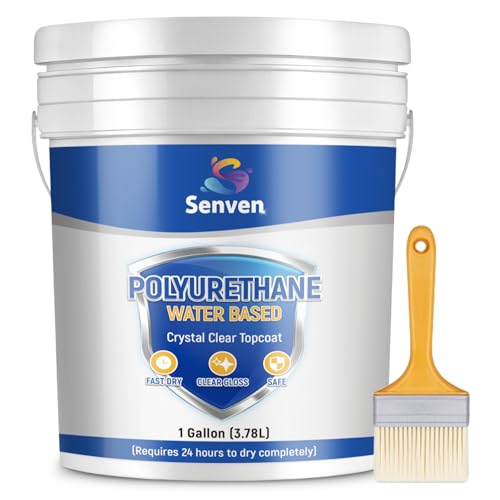


Once the final layer is dry, consider sealing the treated surface with a clear topcoat to protect against wear and enhance durability. This additional layer will help maintain your project’s fresh appearance over time.
Application Techniques for a Silvery Finish
For an even and smooth silvery finish, I recommend using a foam roller or a high-quality brush. These tools help achieve a pristine surface without leaving streaks. Use a thin coat to begin; this allows you to build layers gradually while preventing drippage. Allow each layer to dry completely before adding the next. This step is crucial for durability and appearance.
Surface Preparation Steps
- Clean the surface thoroughly with warm, soapy water to remove any grease or dust.
- Sand the wood lightly using fine-grit sandpaper to create a better bond for the coating.
- Wipe down with a damp cloth to remove any dust created during sanding.
Choosing the Right Product
Select a high-quality acrylic or water-based formula designed for wood. These options provide a resilient finish and are less toxic than their oil-based counterparts. Check the label to ensure compatibility with your project.
Consider testing a small patch before committing to the entire piece. This helps visualize how the color will look and allows adjustments if necessary.
Finally, after the last layer is dry, apply a sealant, such as a water-based polyurethane. This step protects the surface from wear and enhances the color, giving it a lasting sheen.
Choosing the Right Shade of Grey for Your Oak Piece
For a harmonious look, I consider various tones of charcoal, dove, and slate. Each has unique qualities that can impact the final appearance. I prefer a cooler undertone for a modern aesthetic or a warmer hue for a cozy, rustic vibe.
Exploring Different Tones
I evaluate samples on the actual wood to see how the light interacts with the color. It’s crucial that the selected shade complements the surrounding decor. Here’s a quick breakdown of options:
| Shade | Characteristics | Best For |
|---|---|---|
| Charcoal | Deep, bold, dramatic | Contemporary spaces |
| Dove | Soft, muted, sophisticated | Eclectic and modern |
| Slate | Middle ground, versatile | Traditional and modern mashups |
Testing and Finalizing the Color
I recommend applying small swatches on different areas of the item, noting how they change with varying light conditions throughout the day. This way, I ensure the ultimate choice aligns with both the wood’s natural beauty and my desired ambiance.
Preparing Your Wooden Pieces for Transformation: Steps and Tips
Begin with thorough cleaning. Remove dust, grease, and residues using a mixture of mild soap and warm water. A clean surface promotes better adhesion of the new coating.
Sanding for Smoothness
Next, focus on sanding. Use medium-grit sandpaper (around 150-grit) to smooth out rough spots. Follow with fine-grit (around 220-grit) to achieve a silky finish. Sand with the grain to avoid scratches, and ensure the surface is uniform.
Repairing Imperfections
Check for any dents, scratches, or damages. Fill these with wood filler that matches the color of your piece. Allow it to dry completely, then sand the area smooth. This step prevents flaws from showing through the new finish.
- Inspect joints and seams–these areas can also be prone to damage.
- Clean the filled areas with a damp cloth to remove dust.
Once repairs are done, wipe down the entire surface with a tack cloth or a damp rag to eliminate dust and debris from sanding. This ensures optimal preparation for the fresh coat.
Consider Priming
If the current finish is glossy, applying a primer first will enhance adhesion. Choose a high-quality primer suitable for your desired look. Take time to let it cure as indicated on the product instructions.
Finally, ensure the work area is well-ventilated. Proper airflow prevents fumes and helps the new finish cure evenly. Organizing your workspace with good lighting will also assist in spotting any missed spots during preparation.
Selecting the Best Paint Type for Oak Furniture
For a successful transformation, I recommend using water-based acrylic or latex formulations. These options provide excellent adhesion while allowing the wood to breathe, preventing damage. They also dry quickly, minimizing wait time between coats.
Consider the Finish
Depending on the desired outcome, consider satin or semi-gloss finishes. Satin gives a subtle sheen, while semi-gloss enhances durability and is easier to clean. If a matte look is preferred, choose a high-quality matte variant, but be prepared for slightly more maintenance over time.
Brands to Explore
Top brands like Benjamin Moore, Sherwin-Williams, and Behr offer reliable products tailored for wooden surfaces. Look for paint labeled as “furniture-grade” or “interior wood,” ensuring it is specifically designed to withstand wear and tear.
Using a primer suited for hardwoods can further enhance the longevity of the color application. This step is especially important if the original surface has a dark stain or glossy finish.
Applying Primer: When and Why It’s Necessary
Using a primer is a key step in preparing surfaces before the final coating. I apply primer specifically when working with surfaces that are porous or have a rough texture. This not only promotes better adhesion but also ensures a smoother final appearance.
Reasons to Use Primer
One significant reason I choose to use primer is to block stains or prevent them from bleeding through. With certain finishes, especially those prone to show imperfections, an undercoat can significantly enhance the result.
Additionally, a primer helps provide a consistent base color, especially when transitioning from a darker original shade to a lighter finish. This is particularly beneficial in minimizing the number of top coats needed, ultimately conserving both time and materials.
When to Apply Primer
I apply primer when I notice that a wood surface is bare or has uneven areas. If the item has previously been painted with a glossy or oil-based substance, a primer can create a suitable surface for adherence. It’s also wise to consider using primer when the piece is exposed to moisture or extreme temperature variations, as it adds a level of protection.
Finally, if I seek to change the color dramatically, I always opt for a primer first to achieve the best final result. Applying a coat of primer is a strategic move that enhances both durability and aesthetics in the finishing process.
Techniques for Evenly Coating Wood Items
To achieve a smooth finish, I recommend using a high-quality synthetic bristle brush, which helps prevent streaking and brush marks. Begin with light strokes and gradually build up the coverage by applying multiple thin coats rather than one thick layer.
Using a Foam Roller
A foam roller is another effective tool, especially for larger surfaces. It provides a consistent application and minimizes the appearance of bubbles. I prefer to combine it with a brush for corners and intricate areas for a more detailed touch.
Maintaining a Wet Edge
Maintaining a wet edge when applying your substance is crucial. This technique helps to blend each section seamlessly with the previous one, avoiding unsightly lines or uneven textures. I often work in smaller sections to keep the applied material workable.
After applying, it’s essential to allow ample drying time between coats, following the manufacturer’s recommended guidelines. This ensures proper adhesion and enhances the overall look. I also lightly sand between layers with fine-grit sandpaper to promote better bonding and a smoother surface.
Finishing Touches: Sealing and Protecting Your Grey Furniture
After achieving the desired hue on your piece, applying a protective coat is paramount to ensure longevity. I recommend using a water-based polyurethane for its durability and low odor. It dries faster and allows for easy cleanup, making it a convenient choice.
Before sealing, make sure the surface is completely dry. Lightly sand with fine-grit sandpaper to create a smooth finish and improve adhesion. Wipe away any dust with a damp cloth to prevent imperfections in the final layer.
Apply the sealer with a high-quality synthetic brush to avoid brush marks. Use long, even strokes. I often apply two to three coats, allowing ample drying time in between to ensure a tough barrier against scratches and moisture.
For a matte finish, choose a matte or satin sealer. If a slight sheen is preferred, opt for a semi-gloss variant. Always test a small area first to ensure it meets your expectations.
After finishing, allow the sealer to cure fully according to the manufacturer’s instructions; this will ensure optimal protection. Keep the piece out of direct sunlight during the curing process to prevent color fading.
Finally, using coasters and placemats on the surface will help maintain the elegant look for years to come. Regular maintenance, such as dusting with a soft cloth, will keep the finish looking fresh and appealing.
Maintaining and Caring for Painted Oak Furniture
To keep my furniture in excellent condition, I regularly clean it with a soft, damp cloth to remove dust and debris. Avoiding harsh chemicals is key; I prefer a mild soap diluted in water for deeper cleaning.
Touching up any scratches or chips promptly helps preserve the finish. A small amount of the same color used in the original application, applied with a brush, works wonders.
To prevent fading and discoloration, I place the items away from direct sunlight. Additionally, using coasters, placemats, and felt pads under objects can protect the surface from heat and moisture damage.
For routine maintenance, I apply a high-quality wax or furniture polish every six months. Buffing it gently with a clean cloth enhances the sheen and provides a protective barrier.
Humidity control is crucial, so I keep the environment stable. High humidity can lead to warping, while low humidity might cause cracking.
Lastly, I avoid dragging items across surfaces. Lifting rather than sliding minimizes the risk of scratches and wear on the finish, ensuring my pieces stay beautiful for years to come.


