Caleb Turner

Begin with a thorough cleaning of the surface to prepare it for transformation. Mix warm soapy water and gently scrub the piece with a soft cloth, ensuring all dust and grease are removed. Once dried, inspect the surface for any imperfections; filling cracks and holes with wood filler provides a smooth canvas.
Choosing the right coating is crucial. Opt for a primer designed for wood that enhances adhesion. Applying this base layer prevents stains from bleeding through and provides a uniform top coat. Select a color that complements your space; lighter shades can brighten a room, while bold hues add character.
Utilize a high-quality brush or roller for an even application. Start applying your selected coating in thin layers, allowing ample drying time between applications. This approach results in a beautiful finish without drips or runs. After sufficient layers, seal the transformation with a clear protective finish, ensuring longevity and durability of the revamped piece.
Surface Preparation
I clean the item thoroughly with a mixture of warm water and mild detergent. This step removes dust, grease, and any old residues. After washing, I ensure it dries completely. If the surface feels glossy, I lightly sand it with fine-grit paper to create texture for better adhesion.
Choosing the Right Coating
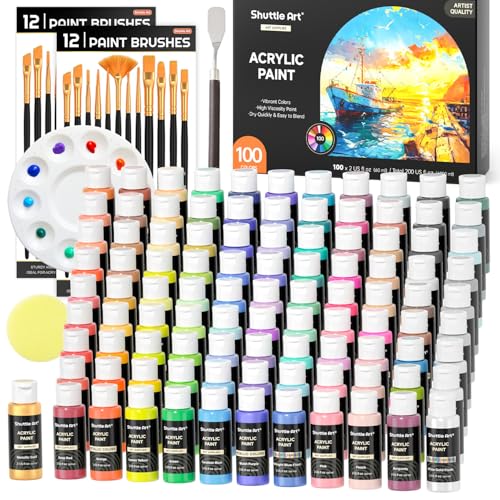
Selecting a high-quality, durable covering is crucial. I prefer an acrylic or chalk-based solution, as these provide excellent coverage and ease of use. If I want a glossy finish, I opt for an enamel formula. It’s essential to check the label for suitable applications and drying times to avoid any issues during the process.

Application Techniques
<p.For smooth application, I use a brush or foam roller. I begin with a fine layer, allowing it to cure thoroughly before adding subsequent coats. Thin layers are key to avoiding drips and achieving an even finish. I maintain a consistent direction while applying to enhance the final appearance.
Choosing the Right Paint Type for Furniture
For transforming weary wooden pieces, I recommend using an acrylic latex formulation. This option provides a durable finish and is easy to clean up with water. The flexibility of this paint also reduces the likelihood of chipping.
If I seek a more robust coat, chalk-based products appeal to me. They create a matte aesthetic and adhere well to various surfaces without extensive priming. Additionally, these types often require less prep work, making them suitable for quick projects.
An oil-based alternative is beneficial for achieving a hard and glossy finish. This type offers excellent coverage and durability but demands longer drying times and a solvent for cleanup. I opt for this paint if I’m looking for a classic, polished look.
For an eco-friendly choice, I appreciate zero-VOC (volatile organic compounds) options that maintain good indoor air quality. Many brands now provide reliable alternatives that do not compromise on performance.
Always consider the intended use of the piece when selecting the type. If the item will experience frequent use, I prioritize durability. For decorative objects, I might choose based on the desired finish or ease of application.
Preparing the Surface: Cleaning and Sanding
Prior to applying a fresh coat, I ensure that the surface is meticulously cleaned. I utilize a mixture of warm water and mild soap, working with a soft cloth to remove dirt, grime, and any residues that may interfere with adherence. For stubborn spots, a non-abrasive scrubber is helpful. After the cleaning process, I rinse thoroughly with clean water to avoid any soap residue.
Sanding Techniques
Once dry, I move on to the sanding stage. Using fine-grit sandpaper (about 220-grit), I carefully sand the surfaces to create a smooth texture and improve adhesion for subsequent layers. I pay special attention to corners and edges, ensuring no area is left untouched. It’s beneficial to sand in the direction of the wood grain to avoid scratches.
Dust Removal
After sanding, I ensure to eliminate all dust particles. I use a vacuum cleaner with a brush attachment to effectively remove debris, followed by a tack cloth or damp rag to wipe down the surfaces. This step is crucial as any leftover dust can ruin the final finish. Once everything is dust-free, I’m ready to move on to the application phase.
Applying Primer for Better Adhesion
I recommend choosing a high-quality primer designed for the material of your item. This step significantly enhances the bond between the surface and the finishing coat. Opt for a water-based primer for easy cleanup and low odor.
Follow these steps for an effective application:
- Make sure the surface is clean and dry before applying the primer.
- Use a foam roller or brush to ensure an even layer. Aim for a thin coat to avoid drips.
- Pay special attention to corners and crevices, using a small brush for precise application.
Once applied, allow the primer to dry completely, following the manufacturer’s drying time recommendations. This can range from one to several hours. A light sanding after priming can help enhance the smoothness of the final layer.
For optimal results, I find it beneficial to apply a second coat of primer, especially on darker shades where discoloration can occur. This extra layer improves the depth of the finish and helps prevent any bleed-through from stains or previous finishes.
Selecting Brushes and Tools for Smooth Application
Choosing the right tools is fundamental for achieving a flawless finish. A high-quality brush can make a significant difference. I prefer synthetic bristles for water-based formulations as they don’t absorb moisture, ensuring a smooth application.
Types of Brushes
Here’s a breakdown of recommended brush types based on the size and area being worked on:
| Brush Type | Best For |
|---|---|
| Angular Brush | Corners and detailed areas |
| Flat Brush | Large, flat surfaces |
| Foam Brush | Creating a smooth, even coat |
Other Tools
In addition to brushes, I find the following tools helpful:
- Rollers: Ideal for covering expansive areas quickly.
- Sprayers: For an ultra-smooth finish, especially on intricate designs, a spray gun can save time and provide an even coat.
- Tray and Liners: Using a paint tray simplifies the loading process and keeps brushes organized.
Always ensure to clean brushes and tools immediately after use to maintain their quality over time. This practice prevents hardening of residues that could hinder performance in future projects.
Techniques for Painting Without Brush Marks
Using a spray gun provides a smooth, even finish, eliminating brush marks entirely. This method disperses paint in a fine mist, allowing for an effortless application that covers surfaces uniformly. Ensure to practice before starting the actual project to control the flow and pressure effectively.
Role of Paint Consistency
Adjusting the viscosity of the coating can significantly impact the final appearance. Thinning the paint slightly with the manufacturer’s recommended solvent can improve leveling and reduce the risk of visible strokes. Test the mixture on a scrap piece to find the ideal consistency.
Employing Painting Techniques
Utilizing techniques like the “wet-on-wet” approach can further enhance the finish. By applying a new layer of color before the previous one dries, it helps to blend the strokes seamlessly. Additionally, using a foam roller for broad areas followed by a brush for detailing can create a flawless look.
Finishing Touches: Sealing and Protecting the Coating
To ensure longevity and durability, applying a protective layer is paramount. I prefer clear polyurethane for a hard finish, or a wax finish for a softer sheen, depending on the desired aesthetic.
Types of Sealants
- Polyurethane: Ideal for high-traffic areas, resistant to water and wear.
- Wax: Provides a natural look but requires more frequent maintenance.
- Clear Acrylic: Fast-drying and offers a strong seal, great for indoor use.
Before application, make sure the surface is dry and free from dust. Lightly sand the painted surface to help the sealant adhere better.
Application Tips
- Use a high-quality brush or foam applicator for even application.
- Apply in thin layers, allowing proper drying time between coats.
- For polyurethane, lightly sand between coats for a smoother finish.
After finishing, allow the item to cure in a well-ventilated area. This step is crucial to achieve optimal durability and protection against scratches and moisture.