Caleb Turner

Before I begin, I make sure to gather all necessary supplies: primer, quality acrylic or latex paint, and a selection of paintbrushes or a roller. This preparation phase is critical for achieving a smooth, even finish on engineered surfaces like the one we’re dealing with.
Ensuring proper surface preparation cannot be overstated. I start by lightly sanding the piece to create a better grip for the base layer. After sanding, it’s vital to wipe down the surface with a damp cloth to remove any dust particles. A clean surface ensures that the subsequent layers adhere properly.
Coating with a suitable primer is my next step. This layer not only helps in smooth application but also prevents the topcoat from peeling. Selecting a primer designed for non-porous materials guarantees that the paint bonds effectively. After applying the primer, I allow it to dry completely before moving on to the coloring phase.
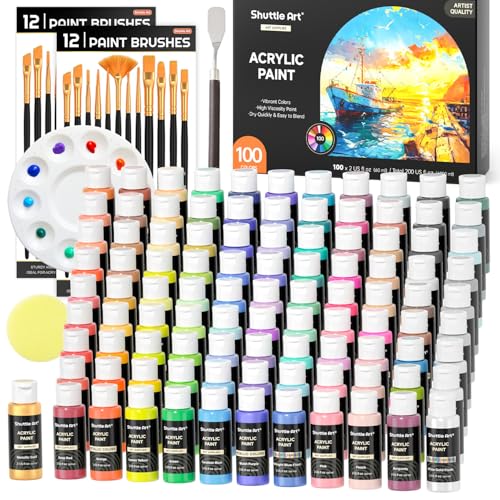


With the primer dried, I carefully apply the chosen hue. I prefer thin, even coats rather than one thick layer, as this approach minimizes drips and ensures an even finish. Patience during drying between coats is essential, allowing each layer to cure properly for the best results.
Lastly, applying a clear topcoat protects the finish while enhancing its longevity. I opt for a water-based polyurethane for ease of use and clean-up. After allowing it to dry, my refreshed item is ready to complement the space beautifully.
Application Techniques for a Smooth Finish
The use of a high-density foam roller drastically reduces visible brush strokes, providing a smooth surface. I apply the coating in thin layers, allowing each to dry completely before adding the next. This approach minimizes drips and uneven patches.
Selecting the right primer is key; an oil-based variant works exceptionally well for sealing porous surfaces. I always cover every inch, focusing on edges and corners with a brush for precision.
After priming, I gently sand the surface with fine-grit paper, creating a texture that the subsequent layers can adhere to better. This step is crucial for achieving a flawless outcome. I take my time with this process, ensuring it’s even.
<p Once everything is sanded, I wipe down the entire piece using a tack cloth to remove any dust before moving onto the coloration phase.
<p For the finishing touch, I opt for a satin or semi-gloss topcoat, applying it with a fresh foam roller for maximum smoothness. I let it cure for a week before regular use to ensure durability.
Choosing the Right Type of Paint for MDF
I find acrylic latex to be an excellent choice for finishing this composite material. It adheres well, dries quickly, and allows for easy cleaning of tools with just soap and water. Moreover, it comes in various finishes, from matte to glossy, to suit different aesthetics.
For a more durable option, I often recommend using solvent-based enamel. This type has superior resistance to wear and tear, making it suitable for high-traffic pieces. However, proper ventilation is crucial due to the strong fumes released during application.
If a smooth, lacquer-like finish is desired, polyurethane varnish can be ideal. This option provides a protective coating that enhances the underlying texture while offering excellent moisture resistance. It’s best to apply it with a spray gun for a flawless look.
It’s vital to use a primer before applying any finish. A shellac or oil-based primer shows outstanding adhesion on non-porous surfaces, ensuring the final coat lasts longer. I prefer using a tinted primer that closely matches the chosen topcoat to reduce the number of layers needed.
Always check the manufacturer’s recommendations for compatibility with specific types of finishes to avoid any potential issues during the layering process. Testing the paint on a small, inconspicuous area can also help ensure the final effect meets expectations.
Preparing MDF Furniture for Painting
First, ensure the surface is clean. I use a damp cloth to wipe off dust and debris. Allow it to dry completely before proceeding.
Next, sand the surface lightly with fine-grit sandpaper. This step helps to create a smooth surface, enhancing adhesion. I focus on areas with imperfections, ensuring they are even.
After sanding, I apply a primer specifically designed for non-porous materials. I prefer using a spray primer for an even application. This seals the surface and reduces the absorption of color later on.
Once the primer dries, I inspect the coating. If I notice any rough spots, I lightly sand again before applying a second layer of primer.
Finally, I check for any remaining dust and wipe it down once more. This guarantees a clean base for the finishing layers. Following these steps ensures a polished and durable finish in the long run.
Selecting the Ideal Primer for MDF Surfaces
For the best finish on composite materials, I prioritize a high-quality shellac-based or water-based primer. These types adhere well and provide a smooth, even base essential for any topcoat.
Shellac-based primers excel at sealing the porous surface, preventing any bleed-through from underlying layers. They dry quickly, allowing for fast application of subsequent coats. However, ensure proper ventilation when applying due to their strong odors.
Water-based options are less volatile, making them safer for indoor use. They also dry rapidly and allow for easy soap-and-water cleanup. Although not as effective as shellac at blocking stains, they work well on both raw and previously finished materials.
| Type of Primer | Benefits | Considerations |
|---|---|---|
| Shellac-based | Excellent adhesion, blocks stains, quick drying time | Strong odor, requires good ventilation |
| Water-based | Low odor, easy cleanup, fast drying | May not block stains as effectively |
I also recommend sanding the surface lightly before applying the primer. This helps to create additional texture for better adhesion, ensuring a long-lasting finish. Prior to this, clean thoroughly to remove any dust or debris.
Testing the primer on a small, inconspicuous area is beneficial. This allows me to confirm compatibility and adhesion before proceeding with the entire project. Following these steps will lead to a successful transformation of any piece into a stunning statement of style.
Tools Needed for Painting MDF Furniture
A quality paint sprayer or a high-density foam roller will provide a smooth finish on your project. I find that using a brush specifically designed for water-based finishes works best for edges and hard-to-reach areas.
A sanding block or an orbital sander allows for effective surface preparation, ensuring a clean, smooth base. I recommend 120 to 220 grit sandpaper for scuff sanding.
For adhesion, a good primer suited to non-porous surfaces is necessary; I prefer a shellac-based or an acrylic primer that can seal the surface adequately. Using a paint tray with a liner simplifies the paint application process.
To protect your surroundings, have a drop cloth or newspapers handy. Masking tape helps create clean lines and protects areas where a coated finish isn’t desired. A level and a measuring tape are handy for ensuring accuracy when planning your layout.
Don’t forget disposable gloves and a mask for safety during the project to avoid contact with fumes and chemicals.
Step-by-Step Guide to Applying Paint on MDF
First, ensure the surface is clean and free from dust or grease. I wipe it down with a damp cloth and let it dry completely.
Next, use a quality primer that adheres well to the surface. Apply an even coat using a brush or roller, focusing on corners and edges for full coverage. Allow the primer to dry as per the manufacturer’s instructions.
After priming, lightly sand the surface with fine-grit sandpaper to smooth any imperfections. This step enhances the final finish. Wipe away any dust from sanding before proceeding.
For the colored layer, select a suitable product based on your desired finish–glossy, satin, or matte. I prefer to use a brush for precise areas and a roller for larger sections. Apply multiple thin coats rather than one thick layer, allowing each coat to dry before adding the next.
Once I achieve the desired color and finish, I let the final coat cure. This may take several days, depending on the product used, ensuring a durable surface.
Finally, for added protection, consider applying a clear topcoat once everything is completely dry. This will help in maintaining the look longer and resist daily wear.
Recommended Techniques for Smooth Finishes
For achieving a flawless surface, I recommend using a foam roller or a high-quality synthetic brush for application. Both tools help to minimize brush strokes and deliver an even layer of color. Ensure to choose a fine-grit sanding sponge for a smooth finish between coats, as this will help remove any imperfections that may have formed during the application process.
Layering Approach
Applying multiple thin layers rather than one thick coat can significantly improve the finish. Allow each layer to dry completely before sanding and adding the next one. This not only enhances adhesion but also reduces the chance of drips or runs forming on the surface.
Finishing Touches
Consider a final clear coat to add protection and a slight sheen. A water-based polyurethane or a spray lacquer can provide a consistent, glossy look without overwhelming the underlying color. Apply this coat using a spray can or a clean brush for the best results, ensuring adequate ventilation during the process.
Drying and Curing Times for MDF Coatings
For optimal results, it’s vital to know the drying and curing times of the coatings used on engineered boards. After applying your finish, allow sufficient time for moisture to evaporate and the coating to harden.
General Drying Times
- Fast-drying latex formulations: 1-2 hours before re-coating.
- Oil-based options: Approximately 6-8 hours for touch dryness.
- Chalk finishes: 1-3 hours to the touch, with full drying around 24 hours.
Curing Period
Curing time is critical for durability. Although a surface may feel dry, it can take:
- Latex products: 1-2 weeks to fully cure.
- Oil-based options: Up to 30 days for complete curing.
For best results, I recommend waiting for the entire curing time before using the item extensively. This ensures the application is resilient to scratches and wear.
Be mindful of environmental conditions, as humidity and temperature can significantly alter these times. It’s wise to check the manufacturer’s specifications on the label for specifics regarding the product used.
Maintaining Painted MDF Furniture for Longevity
I recommend using a soft, damp cloth for regular cleaning. Avoid harsh chemicals and abrasive materials that may damage the surface. Instead, opt for mild soap and water to wipe down surfaces periodically.
Protection from Moisture
Ensure that the environment remains dry, as excessive moisture can lead to swelling and deterioration. Consider using coasters under drinks and placemats for food items to minimize direct contact with dampness.
Addressing Scratches and Chips
If I notice small scratches or chips, I’ll use touch-up paint or a color-matching marker to blend the damaged areas. Applying a thin layer over the affected spots can restore the finish without needing extensive repairs.
Refrain from placing heavy objects on surfaces to avoid dents. Whenever possible, use felt pads under items to reduce friction and prevent damage during movement.
Regularly assess the overall appearance and condition. If the finish appears dull, applying a fresh coat can revitalize and protect the surface for years to come. Always allow sufficient drying time before using the item again.