Caleb Turner
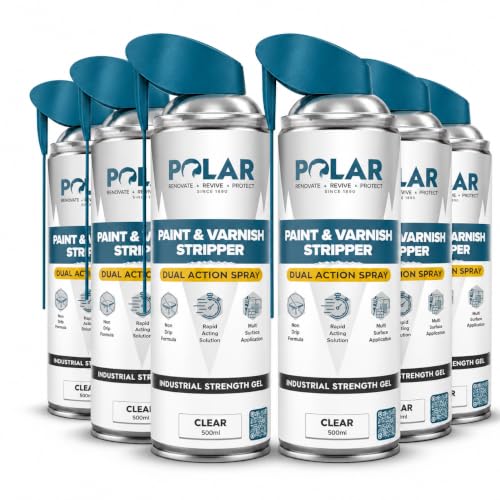
To achieve a striking contrast with your rich-colored cabinetry, selecting the right primer is non-negotiable. A high-quality bonding primer specifically designed for dark surfaces is essential; this will ensure that subsequent layers adhere uniformly and prevent unsightly bleed-through. I recommend using an acrylic-based primer for its quick-drying properties and smooth finish.
Once the primer is dry, choosing a suitable topcoat is key. Opt for a paint that is formulated for high durability, especially if the piece will be subjected to regular use. A semi-gloss or satin finish not only enhances the visual appeal but also provides a protective layer against wear and tear. Apply with a fine brush or a foam roller to obtain a polished look while avoiding drips.
Preparing the wood’s surface before beginning the transformation cannot be overlooked. Sanding the piece to create a smooth and even texture will enhance paint adhesion. Using a medium-grit sandpaper followed by a finer grit will help in achieving that desired finish. Don’t forget to clean off any dust particles afterward, as they can hinder the paint application process.


Finally, allow the paint to cure fully before using the item to ensure longevity. This means waiting several days after the final coat before placing items back on the surface. Taking these steps will help in transforming dark wood into a fresh, lighter statement that brightens your space.
Techniques for Achieving a Brilliant Finish
For optimal results, begin with a thorough surface preparation. Sand the piece using 120-grit sandpaper, followed by 220-grit to create a smooth base. Pay attention to corners and intricate details.
Sealing and Priming
Apply a high-quality primer to ensure better adhesion of the topcoat. Choose a primer suitable for dark woods, such as one designed for stains or glossy surfaces. A shellac-based primer can effectively block out the underlying color, providing a solid foundation for the light hue.
Topcoat Application
Select a satin or semi-gloss finish for an elegant look. Use a foam roller for larger flat areas and a brush for detailed sections. Typically, two to three coats yield a uniform appearance. Allow each layer to dry completely before applying the next, ensuring that the finish remains smooth without drips or bubbles.
| Step | Material | Notes |
|---|---|---|
| Preparation | 120-grit & 220-grit sandpaper | Ensure all old finishes are removed. |
| Priming | Shellac-based primer | Seals and prevents bleed-through. |
| Topcoat | Satin or semi-gloss finish | Use foam rollers and brushes as needed. |
Final touches can include sanding between coats for a smoother texture. Once finished, let the piece cure for a few days to ensure durability and sheen. Enjoy the refreshed aesthetic and added value to your piece!
Choosing the Right Paint for Mahogany
I recommend using acrylic or alkyd formulations for optimal adhesion and durability. These options provide excellent coverage and can withstand wear over time.
For a smooth finish, consider a satin or semi-gloss sheen. This not only enhances the appearance but also offers better cleanability compared to flat finishes.
Priming is crucial; choose a high-quality bonding primer that will help the subsequent layers adhere well, especially on hardwood surfaces. Look for primers that are specifically designed for glossy surfaces.
When selecting a color, opt for a paint that is formulated for wood. These specialized paints often contain additives that enhance durability, making them ideal for surfaces prone to scratches and scuffs.
Before purchasing, check for low-VOC options if indoor air quality is a concern. This is particularly beneficial for projects within closed spaces.
Consider pre-tinted products to save time, as they come ready to use and reduce the need for additional mixing. Always test a small section to ensure the desired effect is achieved.
Lastly, keep in mind the drying times listed on the product label. Allow for adequate curing time between each layer to achieve a professional finish.
Preparing the Surface for Transformation
I begin the preparation by thoroughly cleaning the wooden piece with a mixture of mild soap and water, ensuring all dirt and grease are removed. After that, I let it dry completely before proceeding further.
Sanding the Surface
Next, I take fine-grit sandpaper, typically 220-grit or higher, to lightly sand the entire surface. This step helps to create a rough texture, allowing the new finish to adhere better. I focus on areas with previous finishes or varnishes, ensuring they are smoothed out and even.
Addressing Imperfections
After sanding, I inspect the surface for any scratches or dents. For any imperfections, I use wood filler to repair these spots. Once the filler is applied and dried, I sand it lightly to achieve a seamless finish.
| Step | Details |
|---|---|
| Cleaning | Use mild soap and water, then dry completely. |
| Sanding | Lightly sand with fine-grit sandpaper to ensure adhesion. |
| Repairing | Fill in any scratches or dents with wood filler. |
Finally, I wipe down the surface with a damp cloth to remove any dust from sanding. This meticulous preparation sets the stage for achieving a smooth and flawless finish.
Removing Old Finish and Stains from Mahogany
Before transforming the color of my beloved item, I meticulously stripped away its old finish. Using a high-quality paint stripper made this process straightforward. I applied it generously with a brush, allowing it to sit for the recommended time according to the product instructions.
After the solvent worked its magic, I scraped off the softened finish using a plastic scraper to avoid damaging the wood. Thorough care during this step preserved the surface, ensuring a better bond with the new coating later.
To clean residual stripper, I wiped the area with a cloth soaked in mineral spirits. This not only removed any lingering chemicals but also prepped the surface for further treatment.
For stubborn stains, I created a paste of baking soda and water. This natural abrasive gently lifted any discoloration without harming the grain. I let the paste sit for roughly ten minutes before scrubbing with a non-abrasive sponge.
Once the surface was dried and clean, I sanded it with 120-grit sandpaper, progressing to a finer 220-grit paper. This ensured the surface was smooth and ready to accept a new coating.
Finally, I vacuumed and wiped down the surface with a tack cloth to eliminate any dust particles. With the old finish removed and everything prepared, I was set for the next steps in revitalizing this piece.
Priming Mahogany Furniture Before Painting
Applying a high-quality primer is a critical step. I use a stain-blocking primer specifically designed for dark woods. This ensures that any potential bleed-through from the original finish is minimized. I opt for a shellac-based primer due to its excellent adhesion and blocking properties. I recommend using a brush to achieve an even application, covering all surfaces thoroughly.
Before priming, I lightly sand the surface with fine-grit sandpaper to create a better bond. I ensure to clean the dust with a damp cloth afterwards, as any residue can interfere with adhesion. I allow the primer to dry completely, which typically takes a couple of hours, but I check the manufacturer’s guidelines for precise drying times.
If the grain is particularly pronounced, a second coat of primer can be beneficial. This not only smoothens the surface but also provides a perfect base for the final finish. After the primer has dried, I lightly sand once more, focusing on any rough spots, readying it for the top coat. This preparation phase significantly enhances the overall appearance and durability of the finish.
Selecting the Right Brushes and Tools for the Job
For achieving a flawless finish, I recommend using high-quality synthetic brushes. They hold more paint and offer better coverage, especially with a lighter tone. Choose a 2- to 4-inch angled brush for large surfaces and a smaller detail brush for intricate areas.
In addition to brushes, a foam roller can be beneficial for larger flat surfaces, ensuring an even application without brush marks. Ensure the roller is designed for smooth finishes to avoid texture.
- Brush Types:
- Synthetic bristle brushes for water-based products.
- Angled brushes for corners and edges.
- Flat brushes for smooth surfaces.
- Rollers:
- Foam rollers for an even coat.
- Short nap rollers for smooth finishes.
- Other Tools:
- Sandpaper or sanding blocks (220 grit) to smooth surfaces.
- Drop cloths to protect the surrounding area.
- Painter’s tape to mask off edges and details.
I also find that having a paint tray on hand makes it easier to access the product without making a mess. A stirring stick is crucial for mixing colors thoroughly before starting. Lastly, wearing gloves can protect my hands from any unwanted stains during the process.
Applying the First Coat of White Paint
Ensure the surface is entirely dry before getting started. Using a high-quality synthetic bristle brush, dip it into the chosen coating, allowing excess to drip off to prevent runs and drips. I find that starting from the edges and working towards the center yields the best results.
Technique for Application
Apply the mixture with smooth, even strokes, making sure to blend any overlapping areas seamlessly. Maintain a consistent angle and pressure while working to avoid uneven coverage. For larger areas, a foam roller can also be beneficial, but always backbrush with a brush to ensure proper adhesion and an even finish.
Drying and Inspection
After application, allow ample time for drying based on the manufacturer’s instructions. During this period, inspect the surface for any imperfections or areas that require additional attention before the next layer. A light sanding with fine-grit paper once dry can enhance the subsequent coat’s adhesion.
Drying Time and Conditions for Painted Mahogany
For optimal results, I recommend allowing at least 24 hours for the initial layer to cure before applying subsequent coats. This ensures a solid foundation and better adhesion of the top layers.
Ideal Drying Conditions
Maintaining appropriate environmental conditions is crucial. Here are key factors to consider:
- Temperature: Aim for a room temperature between 65°F and 75°F (18°C to 24°C) during the drying process.
- Humidity: Keep humidity levels low, ideally between 40% and 60%, to prevent imperfections like bubbling or peeling.
- Air Circulation: Use a fan to promote airflow, facilitating even drying. Avoid direct, strong drafts that may disrupt the process.
Signs of Curing and Readiness
Before moving to the next step, check for the following:
- Touch Test: Gently touch a small area to see if it feels tacky. If there’s no residue on your finger, it’s ready for another coat.
- Visual Inspection: Look for a uniform finish without stickiness or glossiness; uneven appearance indicates insufficient drying time.
Following these guidelines will yield a durable finish on your project, enhancing both durability and aesthetic appeal.
Sanding Between Coats for a Smooth Finish
I recommend using fine-grit sandpaper, typically around 220-grit, to sand between layers. This ensures any imperfections are smoothed out and allows for better adhesion of subsequent coats. Lightly sand the surface after each coat has dried, making sure to avoid excessive pressure, which can remove too much material.
Technique and Tips
Use a sanding block or a handheld sander for even pressure and consistent results. Always sand gently in the direction of the grain to maintain the surface integrity. It’s crucial to remove any sanding dust with a damp cloth before applying additional layers; otherwise, these particles can lead to a rough finish.
Waiting for the recommended drying time before sanding is also important. Typically, around 24 hours is sufficient, but check the specific instructions on your product. This practice not only enhances the appearance but also prolongs the lifespan of the finish.
Final Steps
After finishing, a final gentle sanding with a 400-grit paper can provide an ultra-smooth texture. This step is optional but beneficial for achieving that polished look. With each pass, ensure you clean the surface, ensuring a pristine look once fully cured.
Applying a Protective Topcoat After Painting
Once the underlying color has dried thoroughly, I focus on adding a protective finish. This step not only enhances durability but also ensures a polished look. I prefer using water-based polyurethane for its ease of application and quick drying time.
Steps for Applying the Topcoat
- Ensure the surface is free of dust and debris; a tack cloth works well for this.
- Using a high-quality synthetic brush, apply a thin, even layer of the topcoat. I make sure to brush in the same direction as the wood grain.
- Allow the first coat to dry completely, following the manufacturer’s instructions for drying times.
- Lightly sand the surface with fine-grit sandpaper after the first coat dries, aiming for a smooth texture.
- Wipe away any sanding dust with a clean, dry cloth.
- Apply a second coat, repeating the drying and sanding process for the best results.
Choosing the Right Finish
- Gloss: Offers high shine and is great for a contemporary look.
- Satin: Provides a soft sheen, balancing elegance and practicality.
- Matte: Imparts a subdued appearance, ideal for a rustic finish.
Finishing with a topcoat not only protects the new color but also adds to the overall aesthetic appeal of the piece. I ensure to maintain proper ventilation and working conditions to achieve the best possible outcome.