
 Caleb Turner

Before beginning, ensure the surface is clean and dry. A thorough wash with soapy water effectively removes dirt and grease, preparing the area for a new look. Once dried, lightly sand the entire piece with fine-grit sandpaper to create a smooth and receptive surface that allows for better adhesion of your chosen coating.
Select a primer specifically designed for outdoor use. This step is non-negotiable, as it enhances durability and resistance to rust and weather wear. Apply the primer evenly, following the manufacturer’s instructions on drying times. Use a brush for corners and intricate details, while a spray can or roller may cover larger, flat areas efficiently.
Once the primer is completely dried, choose a high-quality outdoor coating in your desired color. Go for formulas that are resistant to UV light and moisture, ensuring longevity. Apply in thin, even coats, allowing each layer to dry fully before adding the next, typically measured in hours depending on environmental conditions. This patience pays off in the form of a smooth, professional finish.
Finish with a clear sealer to provide additional protection against the elements. Make sure to choose a product that is compatible with your base coating. This final touch seals the deal, allowing you to enjoy your revitalized seating for seasons to come.


Preparation Steps
I ensure the surface is thoroughly cleaned before I begin my project. Using a mixture of warm water and mild soap, I scrub the item to remove dirt, grease, and any old finish. After rinsing, I let it dry completely, ideally in direct sunlight to speed up the process.
If there are any rusty spots, I treat them with a rust-inhibiting primer or use sandpaper for surface smoothing. My goal is a clean, even surface to work with, so I check for any imperfections and repair them as needed.
Picking the Right Coating
Selecting a high-quality finish is important. I opt for products specifically designed for outdoor use, focusing on those that provide durability and resistance to fading or peeling due to UV exposure. I pay attention to the finish type–whether I prefer a matte or glossy appearance–based on the aesthetic I want to achieve.
Additionally, I read product labels to confirm compatibility with the material. The right choice can greatly affect the longevity of my work.
Application Techniques
Using a spray application is my preferred method for an even coat. I hold the can about 8 to 12 inches away from the surface, moving in steady, sweeping motions. For areas that are difficult to reach, I often utilize a brush or roller, ensuring I maintain consistent coverage without drips.
After the first coat dries–typically a few hours depending on weather conditions–I assess the coverage. If necessary, I apply additional layers, always allowing proper drying time between them. This approach guarantees a refined and polished finish.
Choosing the Right Paint Type for Metal
Opt for high-quality oil-based or acrylic latex formulas for durability and adhesion on surfaces. These options withstand outdoor conditions effectively.
Consider these aspects:
- Oil-based Options: Excellent for rust prevention. Ideal for outdoor exposure. Longer drying time but provides a resilient finish.
- Acrylic Latex: Fast-drying and water-based. Flexible, which helps prevent cracking. Easier clean-up with soap and water.
- Spray vs. Brush: Spraying is efficient for an even coat. Brushing allows for greater control and detail.
Always review labels for UV resistance and weatherproofing features. These characteristics enhance longevity and maintain appearance.
To ensure proper adhesion, a primer specifically designed for your surface material enhances performance substantially.
Test a small area first to confirm compatibility and to achieve the desired color and finish.
Preparing the Surface for Coating
Ensure thorough cleaning of the surface using a pressure washer or scrub brush with soapy water. This removes dirt, grease, and any contaminants that might affect adhesion.
Rust Removal
If rust is present, treat it with a wire brush or sandpaper to achieve a smooth finish. For stubborn areas, consider using a rust remover or chemical conversion treatment to prevent further corrosion.
Surface Profiling
- Use sandpaper or a sanding block with a grit of 120 to 220 for roughening the surface. This promotes better adhesion.
- If applicable, consider using a power sander for large or flat surfaces.
After sanding, wipe the surface with a clean, lint-free cloth to eliminate dust particles. Ensure the area is completely dry before proceeding to apply the new finish. Following these steps will create an ideal foundation for your application, enhancing durability and longevity.
Selecting the Proper Tools for Application
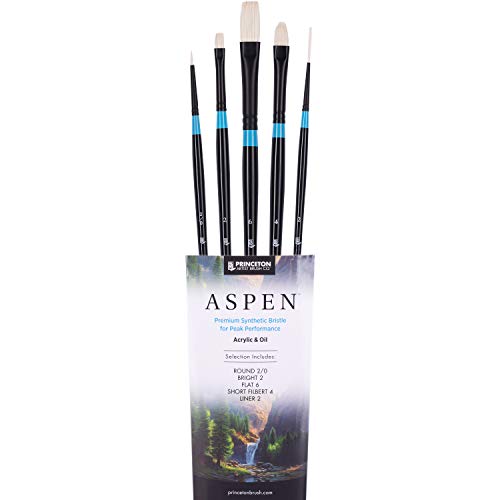
For achieving a smooth and durable finish, I choose high-quality brushes and rollers specifically designed for use on outdoor surfaces. A synthetic bristle brush works well for water-based coatings, while a foam roller can help cover larger areas evenly.
I also recommend using a spray gun, which can provide a professional-like finish and reach intricate details that brushes or rollers may miss. When selecting one, ensure it is compatible with the type of coating chosen.
Don’t overlook the importance of prep tools. Sandpaper in various grits is necessary for surface smoothing, and a wire brush can effectively remove rust and old finish. A clean cloth or tack cloth is essential for wiping down surfaces prior to application.
Safety gear is non-negotiable. I wear gloves, goggles, and a mask to protect against fumes and particles. Ensure proper ventilation in the working area.
Having a paint tray helps in managing the application process better, especially when switching between tools. A drop cloth or newspaper will protect surrounding areas from drips and spills.
Applying a Primer for Better Adhesion
Before applying color to your outdoor seating, I strongly recommend using a primer. This step enhances grip and prepares the surface for a lasting finish. Choose a primer that is specifically formulated for the raw material you’re working on. Epoxy-based primers provide excellent results for rust protection and durability.
Steps for Applying Primer
1. Ensure the surface is clean and dry. Any dust or grease will hinder proper adherence.
2. Apply the primer evenly using a high-quality brush or roller. Pay close attention to corners and edges, as these areas are prone to chipping.
3. Allow the primer to dry thoroughly. Check the manufacturer’s instructions for ideal drying times. In cooler or humid environments, I often wait longer between coats.
Potential Issues to Avoid
Be cautious of overspray. Use painter’s tape to tape off any areas that shouldn’t be coated. Additionally, watch for runs or drips, which may require sanding after drying.
| Primer Type | Application Method | Drying Time |
|---|---|---|
| Epoxy-based | Brush/Roller | 1-2 hours |
| Acrylic | Spray | 30 minutes |
| Oil-based | Brush | 2-4 hours |
Applying a primer not only extends the life of the finish but also enhances the overall appearance. Skipping this step can lead to peeling and premature wear, so I consider it a key part of the preparation process.
Techniques for Even Application
For a uniform finish, I prioritize using a spray system over a brush or roller when dealing with large surfaces. This method minimizes texture differences, allowing for a smooth coat.
Proper Distance and Movement
I maintain a distance of 10 to 12 inches between the nozzle and the surface. Consistent, overlapping strokes help prevent uneven spots. Moving in a horizontal motion initially, followed by vertical strokes, can achieve a balanced look.
Thin Coats
Applying thin layers is crucial. I avoid heavy applications, which often lead to drips. Two to three light coats yield better results than one thick layer. Waiting for each coat to dry fully can prevent issues with adhesion and unevenness.
Attention to detail, such as angling the spray for hard-to-reach areas or using a brush for touch-ups after spraying, ensures consistency. Each technique enhances the overall outcome, providing not just aesthetic appeal but durability as well.
Ensuring Proper Drying Time Between Coats
Allow a minimum of 4 to 6 hours between layers for optimal results. Humidity and temperature can affect drying; higher humidity may extend this period, while warm, dry conditions can shorten it. I suggest using a fan or ensuring good ventilation to speed up the drying process without disrupting the surface.
Check for tackiness before applying an additional coat; it should be dry to the touch. If not, wait longer. Adopting a methodical approach prevents issues like runs or uneven texture, which can arise from rushing the application. A slight touch test can confirm readiness; if the surface feels sticky, hold off.
For best results, refer to the paint manufacturer’s instructions regarding dry times; every product varies slightly. Adhering to recommended intervals enhances durability and finish quality, resulting in a more pleasing appearance once completed.
Maintaining and Protecting the Finished Furniture
Regular cleaning is critical. Use a mild soap solution mixed with water, soft sponge, or cloth to remove dirt and grime. Avoid harsh chemicals that can damage the finish.
Inspect the coating periodically for any signs of wear or chips. Immediate touch-ups with the same color will halt further deterioration. Make sure the area is clean and dry before applying the coating.
A protective sealant can add an extra layer of defense against the elements. Look for products specifically designed for your finish. Apply it as per the manufacturer’s instructions.
Store items in a covered area or use protective covers during inclement weather to extend longevity. This minimizes exposure that can lead to rust or corrosion.
For removal of rust spots, fine-grit sandpaper works wonders. Lightly sand the affected area until it’s smooth, then clean it and reapply the finish.
Be mindful of your location’s climate. High humidity or extreme temperatures can affect the durability of the coating. Regular maintenance is essential in such environments.
Lastly, always consult product instructions for specific care and maintenance recommendations tailored to your furniture’s finish for optimal results.


