Caleb Turner

First, gather all necessary materials: high-quality primer, acrylic or latex coating, sandpaper, and brushes. Thorough preparation is key. Ensure that the surfaces are clean, dry, and free from any grease or dust to achieve optimal adhesion.
Lightly sand the pieces to create a smooth texture, using fine-grit sandpaper. This step ensures the primer adheres properly, enhancing the final result. After sanding, wipe down the surfaces with a damp cloth to remove any dust particles.
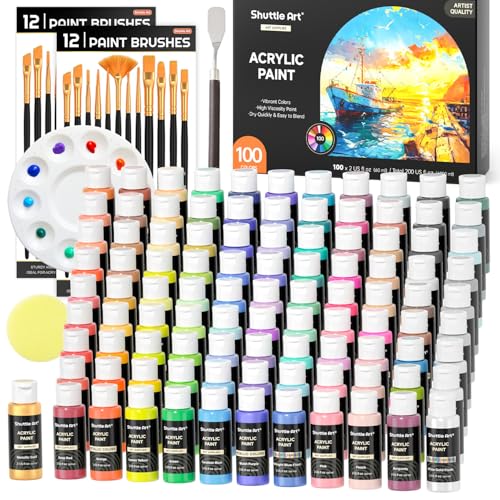

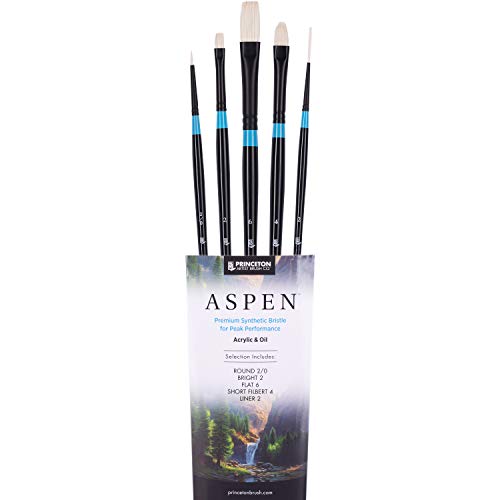
Next, apply a uniform coat of primer. This layer will not only improve the coverage but also prevent stains from bleeding through. Allow it to dry thoroughly as per the manufacturer’s guidelines before moving on to the top layer.
Choose a paint that offers durability and a beautiful finish. A satin or semi-gloss finish can provide a clean look and facilitate easy cleaning. Apply the initial coat evenly, using long, smooth strokes. Let it dry completely, then assess if a second coat is necessary for full coverage.
Once finished, remember to let everything cure for a few days before heavy use. This final step ensures the longevity of your refreshed surfaces while allowing you to enjoy the fresh, bright aesthetic.
Applying a Bright Finish to Maple Items
For achieving a striking light appearance on your wooden items, begin with thorough cleaning using a mix of mild soap and water. Allow the surface to dry completely to promote optimal adhesion of the new coating.
Next, gently sand the surface using fine-grit sandpaper, focusing on creating a smooth, even texture. This not only helps in removing any existing finish but also enhances the bond of the subsequent layers. After sanding, wipe down the surface with a damp cloth to eliminate all dust particles.
Selecting the Right Coating
Choosing a high-quality acrylic or latex product formulated for wood is crucial. I recommend selecting a shade that is specifically designed for furniture to ensure durability. Check the label for properties such as resistance to scratches and moisture, which will prolong the life of your finish.
<h3.Application Technique
Utilize a brush or foam roller to apply a thin layer of your chosen coating. Work in long, even strokes to avoid drips and achieve consistent coverage. Allow the first coat to dry thoroughly, following the manufacturer’s instructions, before lightly sanding again. This step is essential for the best possible finish.
After the light sanding of the first layer, apply a second coat. Ensure uniformity and check for any areas that require touch-ups. Once satisfied, let everything cure according to the product guidelines to ensure the ultimate longevity of your transformation.
Choosing the Right Paint for Maple Furniture
Select a high-quality acrylic latex or hybrid enamel product for optimal results. These types offer durability and excellent adhesion, crucial for a smooth finish on hardwood.
Consider the sheen level: satin or semi-gloss finishes not only enhance the appearance but also make cleaning easier. Semi-gloss is particularly beneficial in high-traffic areas.
Before buying, I always check for low-VOC options. This reduces harmful emissions and provides a more pleasant workspace. Always verify the label for compatibility with the substrate to ensure proper adhesion.
| Type of Paint | Durability | Sheen Options | Environmental Impact |
|---|---|---|---|
| Acrylic Latex | High | Satin, Semi-Gloss | Low-VOC available |
| Hybrid Enamel | Very High | Satin, Gloss | Low-VOC available |
Test samples on a hidden area or scrap wood to assess coverage and finish. This avoids surprises later.
Finally, purchasing a primer for added adhesion can be a game-changer. It prevents peeling and enhances the topcoat’s performance, ensuring longevity.
Preparing the Surface of Maple Furniture
I begin the preparation by cleaning the surface thoroughly. Using a mixture of warm water and mild soap, I wipe down the item to eliminate dust, grease, and other residues. Once cleaned, I dry it completely with a lint-free cloth to ensure no moisture remains.
Next, I inspect for any imperfections, such as scratches or dents. If I find any, I lightly sand those areas with fine-grit sandpaper until smooth. This step guarantees an even application later on. It’s essential to follow the wood’s grain during this process to avoid causing additional damage.
After sanding, I wipe the surface again with a damp cloth to remove the sanding dust. I wait for it to dry before proceeding. If the surface has a glossy finish, I sand it lightly across the whole area to ensure better adhesion.
For added protection and refinement, I apply a coat of primer suitable for the chosen finish. This layer not only enhances durability but also helps achieve a uniform look. Allowing the primer to dry completely is crucial before moving on to the next steps in my project.
Techniques for Applying Primer on Maple
For an optimal base, I recommend selecting a high-quality, stain-blocking primer. This is crucial because it helps prevent tannins from bleeding through, ensuring a clean finish. Here are effective methods I use:
Brush Application
- Choose a synthetic brush designed for smooth finishes. This reduces brush strokes and provides an even coat.
- Work in long, straight strokes along the grain to help the primer settle smoothly.
- Apply thin layers, allowing each coat to dry thoroughly before adding more. This prevents drips and ensures better adhesion.
Spray Application
- Utilize a high-quality spray gun for an even, professional look. Proper distance is key; maintain around 8-12 inches from the surface.
- Use a circular motion for even distribution, and overlap each pass slightly.
- Thin the primer if necessary, based on the manufacturer’s specifications. This can improve flow and coverage.
After applying, always inspect the surface for imperfections. This step is vital for achieving a flawless finish later on. If needed, lightly sand between coats using fine-grit sandpaper to enhance adhesion and smoothness.
Selecting the Best Brushes and Rollers for Painting
I recommend using high-quality synthetic brushes for a smooth finish on non-porous surfaces. A tapered brush in the 1-2 inch range is ideal for edges and detailed areas, ensuring clean lines. For larger regions, a 3-4 inch flat brush can help minimize streaks, while a foam roller is excellent for achieving an even coat on broader planes.
Select short nap rollers, preferably around ¼ inch, as they provide a smooth application without leaving excessive texture. This is particularly useful when aiming for a flawless appearance. If the surface has texture, consider using a longer nap roller to cover grooves effectively.
Always keep an eye on the brush material; nylon and polyester blends are preferred for water-based coatings, as they resist soaking and provide flexibility during application. Don’t overlook brush maintenance; proper cleaning will prolong their lifespan and performance.
If using a sprayer for larger projects, choose the appropriate tip size; typically, a 311 or 313 paint tip works well for achieving a fine, even finish. It’s beneficial to practice on a scrap piece before proceeding to the primary surfaces.
Before starting, ensure your tools are in excellent condition, as worn-out brushes or rollers can detract from the final outcome. Investing in the right applicators significantly contributes to achieving a professional look on your project.
Steps to Achieve a Smooth Finish
Begin with sanding the surface using 220-grit sandpaper to eliminate blemishes and ensure adhesion. Progress to 320-grit to refine the texture, creating a polished canvas for the next steps.
Applying Primer
Utilize a quality primer designed for the chosen finish. Apply the primer evenly using a high-density foam roller for large areas and a brush for corners and detailed spots. Allow adequate drying time before assessing the smoothness.
Final Coats and Smoothing
For the final layers, choose a satin or semi-gloss finish for durability. Lightly sand between coats with 400-grit sandpaper after the previous layer is fully dry. This will help achieve an ultra-smooth appearance. Apply at least two coats for depth, and let each layer cure properly.
Tips for Curing and Maintaining Painted Maple Furniture
Allow the coating to cure fully for at least two weeks before regular use to ensure durability. This time frame enables the finish to harden and bond properly, reducing the risk of chipping or scratching.
For cleaning, use a damp cloth and mild soap. Avoid abrasive cleaners or sponges that could damage the surface. Regular dusting with a soft microfiber cloth helps maintain its appearance.
Refrain from placing hot items directly onto the surface. Always use coasters or placemats to protect against heat damage.
If you notice any chips or scratches, address them quickly. A touch-up with the same color and finish can easily restore the area without requiring a complete repaint.
Consider applying a clear topcoat for added protection, especially if the piece is frequently used. This layer can enhance durability and facilitate easier cleaning.
Maintain consistent humidity and temperature levels in the room to prevent the wood from expanding or contracting, which can affect the integrity of the finish.
Store items thoughtfully to avoid excess weight on shelves. This practice can prevent the strain that leads to bending or warping over time.
Inspect the coating periodically for signs of wear. If the finish begins to dull or shows scratches, a light sanding followed by a new coat can rejuvenate the surface.
Common Mistakes to Avoid When Painting Maple
Avoid rushing through the preparation phase. Skipping sanding or cleaning results in a poor bond, leading to chipping later. Always ensure the surface is smooth and free of debris.
Don’t skip primer application. Applying directly onto untreated wood can compromise the finish and increase the risk of stain bleed-through.
Using the wrong type of coating can lead to an uneven hue. Select appropriate formulations designed for wood surfaces for optimal adhesion and durability.
Applying thick coats is a common error. Instead, use thin, even layers for a flawless appearance. Allow adequate drying time between coats.
- Check the humidity and temperature before working; these factors significantly influence drying times.
- Test on a small inconspicuous area to ensure compatibility with the chosen materials.
- Don’t forget to inspect the brushes and rollers. Synthetic applicators work best with water-based options.
Neglecting maintenance after finishing is another pitfall. Regular cleaning and avoiding abrasive materials will keep the surface looking pristine.
Keep unfinished areas in mind. Ensure that all parts receive equal treatment for a cohesive look.