Caleb Turner

Select high-quality primer designed for slick surfaces; this will ensure adherence and durability of the new finish. I prefer a spray or brush-on product that caters specifically to non-porous materials. Make sure the area is well-ventilated.
Prepare your items by cleaning them thoroughly with a mild detergent and water. This step removes oils and residues that can prevent the primer from bonding effectively. After cleaning, dry each piece completely before applying any coating.
Apply the primer in light coats to avoid runs and drips. I found that multiple thin layers work better than a single heavy application. Allow proper drying time as indicated on the product label between each coat.
After priming, select a durable topcoat, ensuring it’s suitable for the intended use of your pieces. A semi-gloss or satin finish provides a nice balance between aesthetics and functionality. Apply the topcoat in the same manner as the primer, using thin, even strokes.



Finally, let the complete setup cure for a few days before heavy use to allow for maximum durability. Following these steps will help achieve a beautiful and lasting transformation.
Techniques for Refreshing Shiny IKEA Pieces
Choose a high-quality bonding primer specifically designed for slick surfaces. This step is non-negotiable to ensure proper adhesion of the subsequent layers. After priming, let it cure completely according to the manufacturer’s recommendations.
For the finishing touch, select a durable enamel or acrylic urethane topcoat. Applying this will enhance the look and provide additional protection. Use a foam roller for a smooth finish, ensuring to work in thin layers. This minimizes drips and allows for even application.
- Sand surfaces lightly with fine-grit sandpaper between each step to promote adhesion.
- Always ensure that the workspace is well-ventilated, as fumes can be strong.
- Maintain a consistent application rhythm while working to avoid uneven patches.
Consider using painter’s tape to guard areas you do not want to alter, protecting against accidental drips or overlaps. Allow adequate drying time between applications, as rushing may lead to imperfections.
Once the final coat is dry, assess for any rough spots or imperfections. Minor touch-ups can be easily managed with a small brush, ensuring a flawless finish. With patience and careful execution, achieving a refreshed look is entirely within reach.
Choosing the Right Paint for Glossy Surfaces
For optimal results on shiny finishes, I recommend using a high-quality acrylic or enamel formulation. These options adhere well and provide a durable coat that resists chipping and peeling.
Acrylic Versus Enamel
Acrylic allows for quick drying times and is water-based, which simplifies clean-up. It also has low volatile organic compounds (VOCs), making it a healthier choice for indoor projects. Enamel, on the other hand, is oil-based, offering a smoother finish and better leveling properties. It’s ideal for areas that require a tougher finish, but clean-up involves solvents.
Surface Preparation
Before applying any coating, clean surfaces thoroughly to remove dust and grease. Use a fine-grit sandpaper to lightly scuff the shiny surfaces, enhancing adhesion. Following this, a primer specifically designed for glossy materials ensures that the top coat bonds properly. A shellac or bonding primer works exceptionally well.
Choose a sheen level that matches the final look desired; satin or semi-gloss can provide a sophisticated appearance while maintaining some reflectiveness. Test a small area first to ensure the final color and finish meet expectations.
Preparing the Furniture for Painting
Clean surfaces meticulously using a mixture of water and mild soap to remove dirt, grease, and any residues. A lint-free cloth works best for this purpose. Rinse with water and let the pieces dry completely.
Sand the surfaces lightly with fine-grit sandpaper (220-grit) to enhance adhesion. Pay special attention to high-gloss areas, as scuffing them will improve the bond of the new layer. After sanding, wipe away dust using a damp cloth to ensure a smooth finish.
If there are any imperfections, fill them with a suitable filler and allow it to cure as directed. Once dry, sand the filled areas to ensure they are level with the surrounding surface.
Applying a primer is advisable, especially for busy or highly reflective surfaces. Choose a high-quality bonding primer to ensure compatibility with the topcoat. Allow the primer to dry thoroughly as per the manufacturer’s instructions.
Finally, ensure the working area is well-ventilated and free from any obstructions, allowing for better maneuverability during the application of the layers.
Cleaning Techniques for IKEA Furniture Prior to Painting
Thorough cleaning is crucial for achieving a smooth finish. I typically begin with a simple solution of warm water and mild dish soap. Using a microfiber cloth, I gently wipe down all surfaces, ensuring to remove any dust, dirt, or grease. Pay close attention to corners and crevices where grime can accumulate.
Materials Needed
| Item | Purpose |
|---|---|
| Warm water | Effective cleaning agent |
| Mild dish soap | Removes oils and residue |
| Microfiber cloth | Gentle on surfaces, prevents scratches |
| Rubbing alcohol | Dissolves greasy spots |
For stubborn stains, I apply a small amount of rubbing alcohol to a clean cloth and gently rub the affected area. This method is particularly effective for sticky residues left from price tags or adhesive products.
After cleaning, I allow the surfaces to dry completely for at least 1-2 hours. This ensures that no moisture interferes with the adhesion of the new coating. I also inspect for imperfections such as scratches or dents, which I will address in the next preparation stage.
Applying Primer on Glossy Finishes
I recommend selecting a high-quality bonding primer designed specifically for non-porous surfaces. This type ensures better adhesion and improves the overall finish. Before application, make sure the surface is clean and free from dust or grease.
Use a fine-grit sandpaper (around 220-grit) to lightly scuff the glossy surface. This step creates a texture for the primer to grip onto, which enhances adherence. Wipe the area with a damp cloth afterward to remove any debris.
Apply the primer using a foam roller or a high-density brush for a smoother outcome. Use even strokes and avoid overloading the applicator to prevent drips. It’s beneficial to apply two thin coats, allowing adequate drying time between applications as per the manufacturer’s instructions.
Once the primer is fully dry, lightly sand again with fine grit to ensure a smooth base before proceeding with your chosen finish. Following these steps will significantly improve the longevity and appearance of the subsequent layers applied.
Selecting the Best Tools for a Smooth Finish
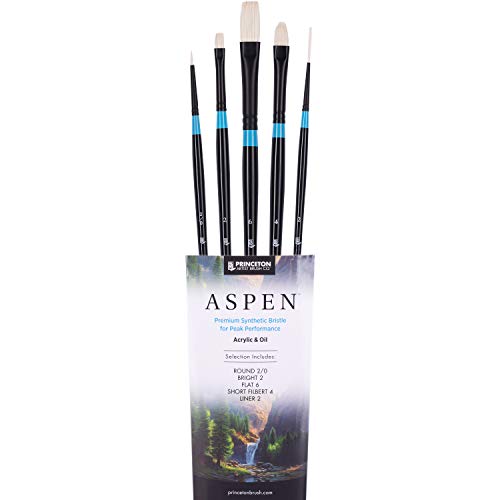
For a flawless application, I prefer using a high-density foam roller and a fine-quality synthetic bristle brush. The roller provides an even coat on larger surfaces, while the brush is ideal for corners and intricate details.
Rollers
Opt for a 4-inch foam roller with a smooth finish to minimize texture. This type reduces the appearance of brushstrokes. Always choose a roller that matches the size of your surface, as it helps in achieving uniform coverage without excess buildup.
Brushes
A good-quality synthetic brush, particularly with a tapered edge, allows for precise application, especially on edges and sharp corners. Aim for a 1-inch or 2-inch brush, depending on the area you need to cover. Synthetic bristles work well with water-based finishes, ensuring durability and better paint adherence.
Additionally, a paint tray with a liner is crucial for easy rolling and cleanup. A spray bottle filled with water helps with misting the surfaces before application, enhancing adhesion and reducing bubbles. For safety, consider wearing a mask and gloves to protect against fumes and paint residue.
Painting Techniques for Even Coverage
I recommend using several techniques to ensure a uniform application. Begin with a high-quality synthetic brush or a foam roller; both work well for smooth surfaces. For intricate areas, a smaller brush can provide better control.
Apply thin coats rather than one thick layer. Thin applications dry more evenly and minimize the risk of drips. Allow each coat to dry fully as per the manufacturer’s instructions before adding the next one.
Maintain a wet edge while working. This means overlapping each stroke with the previous one before it dries to prevent visible lines or streaks. Use long, even strokes in the same direction for a seamless look.
Don’t forget to sand lightly between coats once they are completely dry. This helps create a better bond for the next layer and enhances smoothness. Use fine-grit sandpaper and make sure to wipe away any dust with a damp cloth after sanding.
Ensure proper ventilation during the process. This aids in faster drying and helps to avoid trapped moisture that can lead to uneven textures. Aim for a temperature range of 60-80°F for the best results.
If you notice any imperfections after finalizing the finish, do not hesitate to fix them. Just lightly sand the area and touch up with the same product you initially used.
Drying Time and Curing Process Explained
After applying the finish, I typically allow for an initial drying period of about 2-4 hours, depending on the product used and environmental conditions. This is a crucial step; touching the surface too soon can mar the finish and compromise the final appearance.
Once the initial drying time elapses, I recommend a curing period of 7 to 14 days for optimal results. Full hardening is essential before subjecting the surface to heavy use. During this time, I avoid placing any objects on the surface or exposing it to moisture, as this can lead to smudges and damage.
Factors Affecting Drying and Curing
Temperature and humidity significantly influence the drying and curing processes. I find that a temperature around 70°F (21°C) with moderate humidity levels facilitates quicker drying. In a more humid environment, drying might take longer, pushing me to allow extra time before using the item.
If I’m using a spray application, I also pay attention to the number of coats applied. Thicker layers will have longer drying times, so I often err on the side of caution and assume a longer wait period to ensure a durable finish.
Tips for Monitoring Progress
I usually check the surface periodically by lightly touching an inconspicuous area. If it feels tacky, I know I need to wait longer. Once it’s dry to the touch without any sticky residue, I can proceed to the next steps or simply leave it undisturbed for the full curing duration.
In summary, adhering to these drying and curing guidelines ensures a beautifully finished product that stands up to daily wear and tear.
Maintaining the Painted Finish on IKEA Furniture
To keep the coated surface looking fresh and vibrant, regular upkeep is key. Aim for a maintenance routine that includes the following steps:
Cleaning
- Dust surfaces weekly with a soft, lint-free cloth to prevent buildup.
- Use a mild soap solution for deeper cleans, ensuring no abrasive materials are employed to avoid scratches.
- Rinse with clean water and dry immediately with a soft towel to prevent moisture buildup.
Touch-ups
- Inspect for chips or scratches regularly. A quick touch-up with the original hue can restore small imperfections.
- For larger areas needing repair, lightly sand the affected section before applying a matching finish for uniformity.
Protective Measures
- Utilize coasters under drinks and placemats under hot dishes to ward off heat and moisture damage.
- Avoid placing heavy objects on the surface to prevent dents and warping.
- Consider applying a specific furniture polish occasionally to enhance luster and provide a protective layer.
This approach ensures that the results from my earlier efforts remain intact and keep the pieces looking like new for years to come.
Common Mistakes to Avoid When Painting Gloss Furniture
Choosing the wrong type of coating can lead to poor adhesion and an unsatisfactory finish. Always opt for high-quality products specifically formulated for smooth surfaces.
Neglecting surface preparation is a frequent error. Thoroughly clean and lightly sand the item to remove any existing shine, ensuring the new layer bonds effectively.
Applying too thin a layer might seem like a good idea to avoid drips, but it often results in uneven coverage. Use sufficient amounts to achieve a solid, consistent coat.
Rushing the drying time is another common pitfall. Follow the recommended intervals between coats, prioritizing curing over speed. Insufficient drying can lead to peeling and damage.
Inaccurate tool selection significantly impacts the final look. Always use brushes or rollers designed for smooth surfaces to prevent texture imprints and achieve a silky feel.
Ignoring Environmental Conditions
Failing to take temperature and humidity into account can compromise the outcome. Optimal conditions for application ensure that the substance sets properly and adheres well.
Overworking the Material
Constantly going over the surface can create marks and streaks. Work methodically and with confidence, allowing each layer to settle without disturbance for the best results.
Lastly, overlooking maintenance is a mistake that can reduce the longevity of the finish. Regular care and gentle cleaning of the surface will help maintain its appearance over time.
FAQ:
What kind of paint is best for glossing IKEA furniture?
For glossing IKEA furniture, you should look for a high-quality, water-based acrylic paint or a specially formulated furniture paint. These types of paint offer a durable finish that adheres well to surfaces. It’s also important to choose a paint that is suitable for the material of your furniture, whether it’s particle board, MDF, or solid wood. A glossy finish can be achieved with products that indicate they provide a sheen or gloss finish.
Do I need to prepare the furniture surface before painting?
Yes, surface preparation is crucial to achieving a smooth and durable finish. Start by cleaning the furniture to remove any dust, grease, or grime. If the surface is glossy, sanding it lightly with fine-grit sandpaper will help the paint adhere better. After sanding, wipe down the surface with a damp cloth to remove any dust particles. In some cases, applying a primer can enhance the paint’s adhesion and finish, especially if you’re changing the furniture’s color significantly.
How can I achieve a smooth finish when painting IKEA furniture?
To achieve a smooth finish, several tips can help. First, ensure that you are using a high-quality brush or a foam roller designed for smooth finishes. Apply thin, even coats of paint instead of one thick coat, as this helps prevent drips and unevenness. Between coats, lightly sand the surface with fine-grit sandpaper once the previous coat is dry. This technique helps to eliminate any imperfections. Finally, allow proper drying time between coats as indicated by the paint manufacturer.
What kind of topcoat should I apply after painting?
After painting, applying a clear topcoat is recommended to protect the paint and enhance the gloss finish. A water-based polyurethane topcoat works well, as it provides a durable protective layer without yellowing over time. You can choose between a matte, satin, or gloss finish, depending on the desired look. Make sure the paint is fully cured before applying the topcoat, and follow the manufacturer’s instructions for best results.
How long does it take for the paint to dry completely on IKEA furniture?
Drying times can vary based on humidity, temperature, and the type of paint used. Generally, water-based paints can become dry to the touch within 1-2 hours but may require 24 hours or more for full curing. It’s important to check the specific paint manufacturer’s recommendations for drying times. Keep in mind that additional coats should be applied only after the previous coat is completely dry to avoid smudging or wrinkling the finish.