
 Caleb Turner

Begin by gathering all necessary supplies: a high-quality acrylic coating, brushes, and a wax seal. Preparation is key; clean the surface thoroughly to remove dust and grease, ensuring optimal adhesion. For a distressed look, light sanding can add character, but for a smoother finish, skip this step.
When applying the first coating, use long, even strokes to avoid streaks. Allow ample drying time between layers to promote a durable finish. Two to three coats may be necessary, depending on the color chosen and the original hue of the item. If you prefer a texturized appearance, consider layering different shades for depth.
Once satisfied with the coverage, applying a wax seal will enhance durability and create a soft sheen. Buff the surface gently after application; this will also help to even out any matte patches. Remember, experimentation is encouraged–each piece will take on a personality of its own, reflecting your unique style and preferences.
Transforming Your Pieces with a Vintage Touch
Choose a quality product specifically designed for a matte finish. Visit a local store and select a color that complements your space. Ensure the shade resonates with your vision for the transformation.

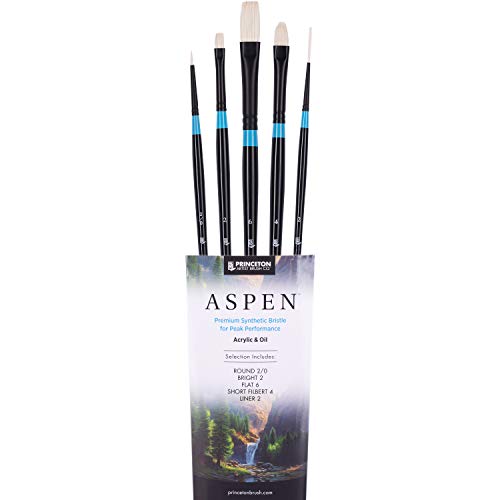

Tools Required
- Brushes (wide and fine tipped)
- Sanding block or paper (medium and fine grit)
- Clear wax or finishing sealant
- Drop cloth or plastic sheeting
- Painter’s tape
Step-by-Step Process
- Prepare the area. Lay down a drop cloth to protect floors and nearby items.
- Remove hardware and clean surfaces thoroughly to eliminate dust and grease.
- Lightly sand the surfaces to promote adhesion, focusing on areas with a glossy finish.
- Wipe the dust using a damp cloth, ensuring a clean surface for application.
- Apply the first coat using a wide brush evenly, covering all surfaces. Allow it to dry for four hours.
- If necessary, apply a second coat for full coverage and richness in color.
- Once satisfied with the color, apply a clear wax or sealant to protect the surface and enhance durability.
- After drying completely, reattach any hardware.
This method results in a charming, subdued finish that adds character and a rustic vibe to your items. Enjoy your upgraded space!
Selecting the Right Chalk Paint for IKEA Furniture
First, consider the finish. I recommend opting for a matte or satin finish to achieve that classic aged appearance. Matte provides a soft, non-reflective surface, while satin offers a slight sheen that enhances durability.
Next, focus on the color palette. Bold hues can energize, while neutrals create a calming atmosphere. Test a small area or use samples to ensure the shade complements your space.
Pay attention to the composition. A high-quality blend often contains natural ingredients, ensuring better adhesion and coverage. Look for brands that advertise low VOCs to reduce harmful emissions.
Research the brand’s reputation. Notable manufacturers often have better formulations and customer support. Read reviews and check forums to gather insights from other users regarding application and longevity.
Consider the application method. Some options work seamlessly with brushes, while others are best applied using a roller or sponge. Choose the one that suits my skill level and desired texture.
- Brand A – Known for excellent adhesion and a wide color range.
- Brand B – Offers a smooth finish, ideal for beginners.
- Brand C – Features quick drying time, beneficial for those in a hurry.
Finally, ensure there are adequate protective topcoats available. A good sealant increases the lifespan of the finish, especially in high-traffic areas.
Preparing IKEA Furniture for Painting
First, I clean the surface thoroughly to remove dust and grime. A damp cloth with mild soap works well. After cleaning, I let it dry completely.
If the piece has a glossy finish, I lightly sand the surface using fine-grit sandpaper to promote adhesion. This step is crucial for a smooth application later.
Next, I fill any dents or scratches with wood filler. After it dries, I sand the repaired areas to create an even surface.
It’s essential to remove hardware like handles and hinges before starting. I keep the screws in a labeled bag to make reassembly easier.
I also place drop cloths around the workspace to protect the floor and nearby items from potential drips.
For additional protection, I apply a primer suited for porous surfaces. This ensures better color payoff and longevity of the finish.
Gathering Necessary Tools and Materials
Begin by collecting high-quality brushes, ideally one flat and one round, to ensure versatility in application. A small foam roller can also be helpful for larger surfaces.
Sandpaper with varying grits–such as 120 and 220–will aid in preparing the surface, while a clean cloth will help remove dust afterwards.
A suitable primer or sealer is advisable to enhance adhesion and durability. Choose a water-based version if you prefer a quick-drying solution.
Gather painter’s tape to protect areas that shouldn’t be coated. This will keep lines sharp and prevent accidental overspill.
Finally, ensure you have a drop cloth to shield your working area from drips and spills. A small container for mixing and a palette knife for consistency can also be beneficial. Having these materials on hand will streamline your process and enhance the final result.
Applying the First Coat of Chalk Paint
Begin by thoroughly stirring the product to ensure a consistent texture. Using a high-quality brush or roller, apply an even layer across the surface. Work in small sections to maintain control over the application.
Focus on the edges and corners first, as these areas often require more attention. Use a light touch to avoid excess buildup in these spots. For larger areas, long, smooth strokes help achieve a uniform appearance.
Technique Tips
Consider painting in one direction to minimize brush marks. If you notice drips or uneven areas, smooth them out immediately before the mixture dries. Allow the first layer to dry completely, usually about 1-2 hours, depending on humidity and temperature.
Checking Coverage
Inspect the surface after it dries. If you see any spots that require extra coverage, lightly sand those areas before applying a second coat. This preparation promotes better adhesion for subsequent layers.
Techniques for Achieving a Smooth Finish
To achieve a smooth texture after applying your chosen coating, begin by using a high-quality synthetic bristle brush rather than a foam one. This helps minimize streaking and uneven application. Another technique involves using a roller for larger surfaces, followed by a brush for edges and corners to ensure even coverage.
Before proceeding with additional layers, allow the first coat to dry completely. Lightly sand the first layer with 220-grit sandpaper once cured. This creates a fine dust that acts as a bonding agent for the next coat. After sanding, wipe the surface with a damp cloth to remove any residue.
When applying successive layers, use long, consistent strokes in the same direction. This method reduces the chance of visible brush strokes and ensures uniform thickness. For an ultra-smooth finish, consider using a spray topcoat as a final layer. This will add a professional touch and enhance durability.
Lastly, patience is essential. Allow adequate drying time between layers to prevent smudging and ensure all coats adhere properly. Following these strategies will result in a polished and sleek surface that significantly enhances the overall look.
| Technique | Description |
|---|---|
| High-Quality Brush | Choose synthetic bristle brushes for better control and finished results. |
| Light Sanding | Use 220-grit sandpaper after each layer dries for improved adhesion. |
| Consistent Strokes | Apply subsequent layers with long strokes in the same direction. |
| Spray Topcoat | A final spray coat enhances finish and durability. |
| Drying Time | Allow sufficient drying between applications to prevent imperfections. |
Adding Distressing Techniques for a Rustic Look
To achieve a rustic finish, I recommend using several distressing techniques after the first coat is completely dry. One effective method is sanding. Use fine-grit sandpaper to gently scuff areas that would naturally wear over time, like edges and handles. This will expose some of the underlying color, giving a weathered effect.
Another approach is to apply a wet cloth technique. Lightly dampen a cloth and rub it over specific areas where you want to remove some of the finish. This creates a softer look, simulating years of use.
For more pronounced distressing, a paint scraper or putty knife can be handy. Lightly scrape away paint in random spots, focusing on corners and raised edges. This technique creates a more authentic, aged appearance.
I often use a combination of these methods for varied texture. After distressing, I finish with a clear wax or matte sealer for protection, ensuring the rustic charm lasts while also allowing the beauty of the texture to shine through.
Experimenting with different pressure or tools can yield unique results, so don’t hesitate to play around until you find your desired look.
Sealing and Protecting Your Finished Furniture
After completing the transformation of your item, sealing the surface is essential for longevity. I recommend using a clear wax or a polyurethane topcoat for maximum protection against scratches and stains. Apply the wax with a clean cloth, ensuring even coverage, and allow it to cure for at least 24 hours.
If you opt for a polyurethane finish, choose a water-based version for a low odor and quicker drying time. Use a high-quality synthetic brush and apply thin coats to prevent bubbling. Lightly sand between coats with fine-grit sandpaper to enhance adhesion, and aim for three coats for optimal durability.
For surfaces that will see heavy use, consider a satin or semi-gloss finish. These offer greater resilience to wear and tear compared to matte versions. Always remember to test your chosen sealant on a small, inconspicuous area before applying it to the entire surface.
Lastly, avoid exposing the sealed pieces to direct sunlight or moisture right after sealing. This can warp the finish and compromise its integrity. Allow sufficient time for the finish to cure fully for the best results.
Tips for Maintaining Painted IKEA Furniture
Regularly dust surfaces using a soft, dry cloth to prevent dirt buildup. Avoid using abrasive materials, as they can scratch the finish.
Consider a gentle cleansing solution diluted in water for occasional deeper cleaning; always test in an inconspicuous area first. After cleaning, make sure to dry the surfaces thoroughly.
If you notice any scuffs or scratches, lightly sand the affected area with fine-grit sandpaper and touch up with leftover product for seamless repairs.
Avoid placing hot items directly on surfaces to prevent damage. Use coasters or placemats under dishes and drinks to protect against moisture and heat.
Keep the environment stable by avoiding high humidity and extreme temperatures, which can affect the integrity of the finish.
For furniture exposed to direct sunlight, consider using lightweight fabric or other protective covers to minimize fading and preservation of color.
Rotate items regularly to enhance even wear and maintain a fresh look, ensuring no single area is subjected to excessive use.
Common Mistakes to Avoid When Painting
Skipping the prep work can lead to unsatisfactory results. I always ensure to clean surfaces thoroughly and lightly sand them for better adhesion. It’s tempting to think that one coat will do, but applying multiple thin layers yields a much smoother finish.
Ignoring Drying Times
Each layer of finish requires adequate drying time before adding the next. I set a timer and resist the urge to rush through the process. This prevents peeling and uneven textures.
Choosing the Wrong Brush or Roller
Using an unsuitable tool can disrupt the desired finish. I always select high-quality brushes or rollers that are specifically designed for the medium I’m applying. This makes a difference in achieving a flawless look.
Forgetting to distress before sealing results in a loss of the rustic charm. I make sure to experiment with distressing techniques prior to the final sealant. Waiting too long after completion to seal leaves surfaces vulnerable to damage.
Lastly, neglecting maintenance after finishing can lead to quick wear. I recommend regularly cleaning surfaces with a mild detergent and avoiding harsh chemicals to prolong the life of the newly transformed pieces.


