Caleb Turner
Begin with a thorough cleaning, ensuring all dust and grease are removed from the surface. A simple mixture of soap and water works wonders for this step. Allow it to dry completely before proceeding.
Select a high-quality primer and apply it generously. This creates a solid foundation, enhancing the adherence of subsequent layers while preventing stains from bleeding through. Using a brush or roller, cover every nook and cranny to achieve uniformity.
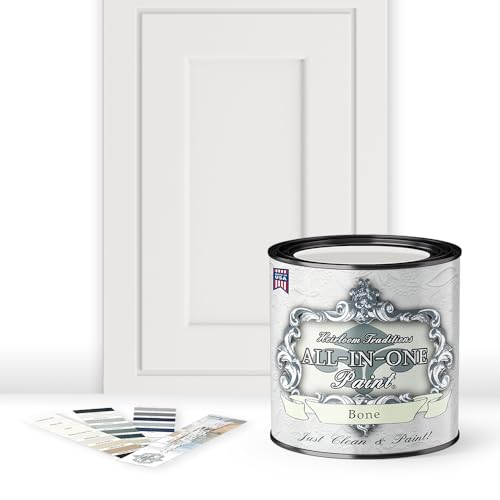
Once the primer dries, opt for a soft, creamy shade that enriches the charm of your item. Use a paintbrush or spray gun for an even distribution of the material. Applying thin layers is key; this technique prevents drips and provides a smooth finish.

After the initial coating dries, lightly sand the surface for a distressed appearance, should that be your desired aesthetic. A gentle hand is all that’s needed; just enough to create character without compromising the structure.
Finally, seal your masterpiece with a protective topcoat. This not only safeguards the finish but also enhances the depth of the color, giving it a polished look. Let it cure as recommended by the product instructions, ensuring longevity and beauty for your transformed piece.
Painting Techniques for a Classic Finish
Choose a high-quality chalk or milk formula for achieving a soft, aged look. I prefer products that adhere well to surfaces without extensive priming. Before I apply any color, I always ensure the surface is clean and free of dust. A mild detergent mixed with water works wonders.
For smooth application, use a synthetic brush or a foam roller. The tools you select can significantly impact the texture. I typically opt for a brush for detailed areas and a roller for larger surfaces. Apply thin layers to avoid drips and unevenness.
After the first coat dries, I lightly sand the surface with a fine-grit paper. This step not only smooths the finish but also helps the subsequent layer stick better. An important detail is to remove any dust left from sanding with a damp cloth before proceeding.
I often finish with a clear matte sealant to protect the surface. Should you want more texture, consider lightly distressing the edges after drying to achieve an authentic antique appearance. Just remember to work gently and focus on areas that naturally see wear.
Finally, allow ample time for drying between each coat and after the last finish. This ensures durability and enhances the overall look, ensuring your newly transformed pieces stand the test of time.
Choosing the Right Type of Paint for Vintage Finish
I recommend using latex or chalk-based formulations for a classic look paired with ease of application. These types create a smooth surface and adhere well to a variety of materials.
Latex Formulations
Latex paints dry quickly and offer excellent coverage. They are easy to clean up with water and have less odor compared to oil-based options. Opt for a satin or eggshell finish to achieve a soft sheen that complements aged aesthetics.
Chalk-Based Options
Chalk-based paints provide a matte look, perfect for achieving that authentic aged appearance. They often require minimal prep work, which saves time. To enhance durability, consider applying a clear wax or sealer as a top layer, which not only protects the surface but also enriches the overall texture.
Always test paint on a hidden area to ensure color accuracy and compatibility. Consider primer use, especially on darker woods, to achieve the desired lightness in the finish. Choose a product that suits your style and the specific piece you are restoring.
Preparing Your Furniture for Painting
Begin with a thorough cleaning using a solution of soap and water to remove dirt, grease, and any residues. A clean surface is crucial for a uniform finish.
Next, inspect the piece carefully for any imperfections like scratches, dents, or loose joints. Fill in any scratches with wood filler and let it cure as per the manufacturer’s instructions before sanding.
Sand the entire surface using fine-grit sandpaper to create a smooth texture and enhance adhesion. Pay special attention to edges and corners where wear is often more pronounced.
After sanding, remove all dust particles with a damp cloth or vacuum. Ensure everything is completely dry before proceeding.
If the item has a glossy finish, consider applying a primer suitable for your chosen top coat. This will ensure better adhesion and an even application.
Lastly, if the surface has a heavy stain or finish, stripping it down may be necessary for optimal results. Follow all safety precautions and manufacturer guidelines when using any chemical strippers.
Selecting the Best Brushes and Tools for Application
I recommend investing in high-quality synthetic bristle brushes for a smooth and even coverage. These brushes hold their shape well, allowing precision in corners and intricate details.
Brush Sizes
Choose a variety of brush sizes. A 1- to 2-inch brush is perfect for larger surfaces, while smaller brushes are ideal for detailed areas. A sash brush can be helpful for cutting in around edges.
Rollers and Sprayers
For expansive flat surfaces, consider a high-density foam roller. It leaves a smooth finish without brush marks. If you want a flawless coat with faster application, a paint sprayer is worth exploring, although it requires practice to master.
Don’t overlook the importance of a quality primer. A good product will enhance adhesion and durability, which is essential for achieving that desired aged look.
Always keep a clean water container nearby, especially when switching between colors or tools. A microfiber cloth can assist in quick clean-ups, ensuring your workspace stays tidy.
Applying the Primer for Optimal Coverage
To achieve the best results, I begin by selecting a high-quality primer designed for adhesion. This step is crucial as it provides a solid base, helping the subsequent layers adhere better while enhancing durability. I prefer using a water-based primer, which dries quickly and is easy to clean up.
Steps for Effective Primer Application
Before I apply the primer, I ensure the surface is thoroughly clean and free of dust. I use a microfiber cloth for this purpose. Next, I stir the primer well to achieve a uniform consistency. Using a high-density foam roller or a flat brush helps me cover larger surfaces and reach intricate areas effectively, ensuring an even application.
| Tool Type | Recommended Use |
|---|---|
| High-density Foam Roller | Ideal for flat surfaces, providing smooth finishes. |
| Flat Brush | Perfect for corners and detailed work. |
| Spray Gun | Great for a flawless, even coat over large areas. |
I apply the primer in thin, even coats, allowing each layer to dry completely before adding another. Depending on the product, this usually takes about one to two hours. I pay special attention to edges and corners, applying a bit more primer in these areas to prevent peeling later. Once the desired coverage is achieved, I lightly sand the surface with fine-grit sandpaper before applying the finish coat. This helps to ensure a smooth and professional look in the final stages.
Mastering the Painting Technique for a Vintage Look
Begin with a light sanding technique to create a slightly textured surface, enhancing the paint adherence and achieving an authentic appearance. I prefer using 220-grit sandpaper for this step, ensuring not to over-sand, which could damage the original finish. Wipe down the piece with a damp cloth after sanding to remove dust and debris.
Next, apply your chosen wash method. Dilute the coating with water in a 1:1 ratio; this offers a softer look, allowing the original details of the item to peek through. Using a wide brush, gently apply the mix in long, even strokes, following the wood grain. This technique not only provides an aged effect but also preserves the character of the piece.
For added depth, I recommend layering with a dry brush approach. After the initial layer has dried, dip a dry brush lightly into a contrasting color and gently swipe it over the raised areas. This technique highlights contours and adds dimension, reinforcing that charming antique allure.
To finish, consider a gentle distressing technique. After the final coat has cured, use a fine-grit sandpaper on corners and edges to wear away some of the top layer, revealing the darker hues below. This not only enhances the vintage appeal but also gives an impression of years of use, contributing to the story of the piece.
Finally, seal your masterpiece with a matte or satin sealer for protection. The sealer not only safeguards your work but also enriches the finish, ensuring the vintage effects last for years. Application of the sealer should follow the same brush strokes used for the paint, preserving the texture and character you’ve worked to achieve.
Finishing Touches: Sealing and Protecting Your Piece
To ensure durability and enhance the beauty of your creation, applying a sealant is essential. Choose a clear topcoat suitable for your finish. I prefer water-based polyurethane for its ease of use and quick drying time.
Here are the steps for sealing:
- Allow the paint to cure completely before applying any protective layer. This usually takes at least 24 hours.
- Lightly sand the surface with fine-grit sandpaper (220 grit) to create a smooth texture. Dust off any residue with a clean cloth.
- Using a clean brush or a foam applicator, apply a thin coat of the sealant in even strokes.
- Allow the first coat to dry fully as per the manufacturer’s instructions. This may take a couple of hours.
- For optimal protection, apply a second coat using the same technique.
Maintain a clean workspace and avoid applying too much product at once to prevent drips and uneven surfaces. If you wish to achieve a distressed look further on, consider using a wax finish to add depth.
After sealing, let the piece cure for several days before subjecting it to regular use. This will help the protective layer to harden and function effectively.
Regular maintenance is key. Clean the surface with a damp cloth and avoid harsh chemicals to prolong the lifespan of the finish.
Investing time in sealing will keep your crafted item looking pristine and serving you for years to come.
Tips for Maintaining the Vintage Appearance After Painting
Regular cleaning is essential to preserve the charming look. Opt for a microfiber cloth to gently wipe surfaces, keeping dust and dirt at bay without causing scratches.
Use coasters, placemats, and protective pads to shield surfaces from heat, moisture, and scratches. This simple step goes a long way in maintaining the aesthetic appeal.
- Avoid using harsh chemicals or abrasive cleaners that can damage the finish. Natural cleaners are preferable.
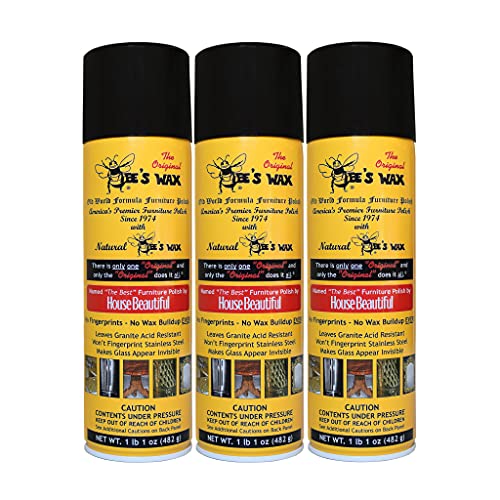
- Consider applying a soft wax or specialized furniture polish periodically to enhance the sheen and protect the surface.
- Be cautious with direct sunlight. Position items away from windows to prevent fading and discoloration over time.
Inspect for any signs of wear, such as chipping or discoloration, and address them promptly. A small touch-up can restore the original charm without extensive work.
Store items in a climate-controlled environment if possible. Extreme temperatures and humidity can affect both the paint and underlying material, leading to damage.
Lastly, handle pieces with care, especially during cleaning or moving, to avoid unforeseen damages. Keeping everything in tip-top condition ensures that your piece remains a stunning focal point in your space.