Caleb Turner

Begin with a gentle dusting using a microfiber cloth to eliminate loose particles. This simple action prepares the surface for a more thorough treatment.
For stubborn grime, mix a solution of warm water and a few drops of mild dish soap. Dampen a cloth with this mixture, wringing it out to avoid excess moisture. Gently wipe the surfaces, paying attention to crevices where dirt may accumulate. Follow up with a clean, damp cloth to remove any soap residue.


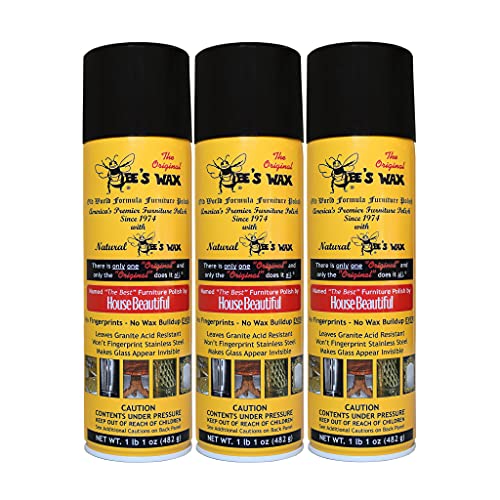
To enhance the natural beauty and protect the finish, consider applying a specialized oil or wood conditioner. Using a soft cloth, apply a small amount to the surface, working with the grain to maintain the integrity of the finish. Allow it to absorb for a few minutes before buffing with a dry cloth for a polished look.
For deeper restoration, sand the surface lightly using fine-grit sandpaper. This step helps to remove scratches and old finishes. Always wipe down with a damp cloth afterward to remove any dust particles before applying a new finish or sealant.
Finally, place your treasured piece away from direct sunlight and extreme humidity to prevent any future damage. With these careful steps, your rescued treasure can shine in your home for years to come.
Care Instructions for Second-Hand Timber Pieces
I recommend using a mixture of warm water and mild dish soap to tackle the accumulation of grime. Dampen a soft cloth with the solution, ensuring it’s not soaked, and gently wipe down surfaces. Always follow with a dry cloth to remove any moisture.
Removing Stains and Spots
For stubborn marks, a paste made from baking soda and water can work wonders. Apply it gently with a soft cloth, rubbing in a circular motion, then wipe off with a damp cloth followed by drying.
Polishing Techniques
To restore shine, a homemade polish of equal parts vinegar and olive oil is effective. Apply with a clean cloth, buffing the surface to help enhance its natural luster.
| Product | Use |
|---|---|
| Dish Soap | For general cleaning |
| Baking Soda | For stain removal |
| Vinegar & Olive Oil | For polishing |
Assessing the Condition of Your Wood Decor
Examine the surface for scratches, dents, or stains. A magnifying glass may help identify deeper issues or inconsistencies in the grain.
Surface Evaluation
- Check for watermarks or discoloration, indicating moisture damage.
- Look for signs of peeling or chipping paint, which can signal previous repair attempts or poor maintenance.
- Test the finish by running your fingers over the surface; a smooth finish suggests good care, while rough spots may require attention.
Structural Integrity
- Inspect joints and legs for stability. Wobbly structures often need tightening or repairs.
- Open drawers and doors to assess their ease of movement. Sticking may indicate swelling or misalignment.
- Listen for creaks or groans; these sounds can reveal underlying problems that should be addressed before further restoration.
Assessing these elements will guide subsequent actions needed to restore your piece effectively.
Gathering Necessary Cleaning Supplies
To tackle the task effectively, I focus on assembling the right tools and materials. A clean, well-equipped space makes all the difference in restoring vintage treasures.
Required Supplies
| Item | Purpose |
|---|---|
| Mild soap | Removes surface dirt and grime without damaging the finish. |
| Soft cloths | For applying cleaners and drying surfaces without scratching. |
| Brush | Ideal for getting into crevices and intricate designs. |
| Wood polish or conditioner | Enhances shine and nourishes the material. |
| Lint-free cloths | Prevent lint from sticking, ensuring a smooth finish. |
| Bucket of warm water | To dilute soap and rinse items effectively. |
| Rubber gloves | Protect hands from chemicals and dirt. |
Picking up these items beforehand streamlines the entire process, allowing me to focus on restoring the beauty of each piece. It’s worth investing in quality materials to avoid any damage during the maintenance process.
Testing Cleaning Products on a Hidden Area
Before applying any cleaning solution to a visible surface, it’s critical to conduct a patch test in an inconspicuous spot. Choose a section that is less noticeable, such as the underside of a leg or the back of a drawer.
Apply a small amount of the product with a soft cloth or cotton swab. Allow it to sit for a few minutes, then gently wipe it away with a damp cloth. Observe the area for any changes in color, shine, or texture.
If there’s no adverse reaction after 24 hours, the product is likely safe for broader use. However, if you notice a discoloration or damage, opt for a milder solution or consider alternatives that are less abrasive.
Always compare the results against the original finish to ensure integrity remains intact. This step not only protects your discovery but also informs your approach to preservation.
Removing Dust and Debris from Surfaces
I begin the process by utilizing a soft microfiber cloth, which effectively traps dust without scratching the surface. For intricate details or crevices, I opt for a small brush or an old toothbrush to dislodge accumulated particles.
A slightly dampened cloth can enhance dust removal. I recommend lightly misting it with water or a gentle cleaning solution, avoiding excessive moisture that could damage the material. After dusting, I wipe the surfaces in the direction of the wood grain to preserve its appearance.
<p If there's more stubborn debris, a damp cloth followed by immediate drying is essential to prevent any water spots or warping. Regular maintenance, like dusting weekly, minimizes buildup and keeps the pieces looking their best.
Pay close attention to areas that often get overlooked, such as the undersides and legs, ensuring a thorough clean all around. After gathering the loose particles, I assess if any further action is needed for stains or sticky residues.
Applying Wood Cleaner and Polish Appropriately
Prioritize the selection of a high-quality cleaner based on the finish of the surface. For oiled and waxed finishes, choose a gentle soap or a specific wood soap that won’t strip the oils. If the surface has a lacquer or varnish, a solvent-based cleaner can effectively lift grime without causing damage.
Use a soft cloth or a microfiber towel to apply the cleaner. Dampen the cloth slightly; avoid oversaturating it to prevent excess moisture from penetrating the material. Gently wipe the surface in the direction of the grain to minimize the risk of scratches.
After cleaning, it’s time to apply polish. For best results, opt for a beeswax or natural oil-based polish that nourishes and enhances the luster. Apply a small amount to another clean cloth, and again, work it into the surface with circular motions and along the grain.
Allow the polish to rest for a few minutes before buffing it with a dry cloth. This enhances the sheen and protects the surface, giving it a revitalized appearance. Regular application helps maintain the beauty and prolongs the life of the item. Make it a routine to polish periodically, adapting frequency based on usage and exposure to elements.
Dealing with Stains and Water Marks
For stubborn stains, I mix equal parts of vinegar and olive oil. I apply this mixture gently with a soft cloth, working in the direction of the grain. This often lifts the marks without damaging the finish.
Water marks can be treated using a hairdryer on a low setting. I hold it a few inches above the affected area to gradually warm the spot, allowing moisture to evaporate. A soft, dry cloth is then used to buff the area afterward.
If that doesn’t work, I create a paste of baking soda and water. With a soft cloth, I dab the paste onto the stain and let it sit for a few minutes before wiping it off. This method is effective for removing lighter discolorations.
For deeper set stains, applying a small amount of mayonnaise can be surprisingly effective. I let it sit on the mark for a couple of hours, then wipe it away and buff the surface to restore shine.
In cases of sticky residue, I use a little bit of mineral spirits on a soft cloth, carefully rubbing it over the area. It helps to dissolve the adhesive without harming the surface.
Always finish by applying a suitable polish to protect the surface, ensuring no trace of damage remains. A thorough inspection follows my cleaning process to confirm the success of each technique used.
Restoring Shine to Dull Finishes
For revitalizing lackluster surfaces, I recommend using a mixture of equal parts vinegar and olive oil. Apply this blend with a soft, lint-free cloth, moving in the direction of the grain to avoid scratches. Allow it to sit for a few minutes before buffing with a clean cloth to reveal a subtle sheen.
Utilizing Beeswax for a Natural Glow
Beeswax not only protects but also enhances the appearance of tired finishes. After thoroughly cleaning the piece, apply a thin layer of beeswax using a soft cloth. Work it into the surface lightly and let it cure for about 20 minutes. Then, buff it with a clean, dry cloth for an attractive, natural shine.
Commercial Products for Optimal Results
If a DIY approach isn’t yielding the desired effect, consider using a commercial wood revitalizing product. Test a small section to confirm compatibility. Follow the manufacturer’s instructions for application, typically applying with a soft cloth and buffing afterward to achieve a glossy finish.
Inspecting for Pests and Damage
Examine every inch closely before proceeding with maintenance. Focus on these key areas:
- Joints and Crevices: Look for signs of wood-boring insects and any damage, such as tiny holes or frass (insect waste).
- Surface Condition: Check for scratches, dents, or discoloration. These can indicate moisture exposure or improper handling.
- Legs and Feet: Inspect the bases for signs of rot or insect activity. Soft spots may signify underlying issues.
- Back and Undersides: Often overlooked, these areas may harbor pests or signs of prior repairs.
Utilize a flashlight to highlight any hidden details. If pests are detected, consider consulting a pest professional for proper removal methods. For damage, evaluate whether the piece requires minor repairs or if it can be restored without extensive intervention.
Maintaining Cleanliness and Care for Longevity
Regular maintenance is key to prolonging the life of vintage wooden pieces. Firstly, it’s essential to perform consistent dusting using a microfiber cloth, which captures dust effectively without scratching surfaces. I aim to do this weekly, ensuring that delicate finishes are preserved.
Routine Upkeep
- Apply a natural oil, such as lemon or mineral oil, every few months. This nourishes the grain and prevents drying out.
- Refrain from placing hot items directly on surfaces. Always use coasters or placemats to prevent heat damage.
- Keep wooden items away from direct sunlight. Exposure can lead to fading and warping over time.
Seasonal Maintenance
- In humid climates, using a dehumidifier can help mitigate moisture that might cause warping or swelling.
- Inspect for any signs of wear or minor damage every quarter. Early detection helps prevent further deterioration.
- If my piece has intricate carvings, I use a soft brush to remove any hidden debris and dust.
By adhering to these practices, I enhance the beauty and longevity of each vintage acquisition, ensuring they remain cherished parts of my home for years to come.