Caleb Turner
Begin with a thorough cleaning of the surface to eliminate any dust or grime. Utilize a microfiber cloth and a suitable cleaning solution, ensuring that remnants of dirt won’t affect adhesion.
Next, lightly sand the existing finish to create a profile for better grip. Choose fine-grit sandpaper, like 220-grit, and focus on dulling the sheen without penetrating too deeply into the material underneath. Follow up with a vacuum attachment or a tack cloth to clear away any sanding residue.
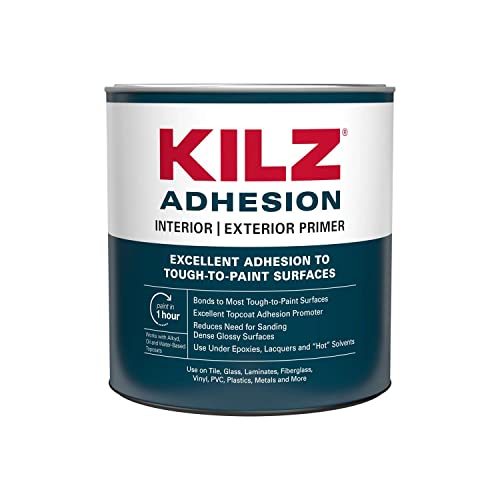
Choosing the right primer is imperative. A bonding primer designed for glossy surfaces will help the new layer adhere effectively. Apply an even coat and allow it to dry thoroughly, following the manufacturer’s advice for waiting times.
After priming, carefully layer on the new coating. Use high-quality brushes or foam rollers to ensure smooth application and avoid drips. Allow appropriate drying times between coats, typically around two to four hours, and lightly sand between applications for an ultra-smooth finish.


Once the final layer is applied, patience is key. Let the piece cure for a full week for optimal hardness and durability. This step ensures longevity and a beautiful appearance.
Application Techniques for Coated Surfaces
Preparation is key. I begin by cleaning the surface meticulously to remove any dirt, grease, or dust. Using a mix of mild soap and water with a soft cloth helps ensure a pristine base. After cleaning, I allow the surface to dry completely before moving on.
Sanding for Adhesion
I grab a fine-grit sandpaper (around 220 grit) and gently scuff the surface. This step increases adhesion by creating a rough texture for the new layer to grip onto. It’s crucial not to sand too aggressively; my aim is to just dull the sheen without damaging the existing finish. I wipe away any dust created from sanding with a damp cloth afterward.
Choosing the Right Coating
For the topcoat, I opt for a high-quality acrylic or chalk finish as these are compatible with various substrates. If I’m looking for durability, a water-based polyurethane can work, allowing me to achieve a lasting effect. I apply it with a foam roller or a brush, ensuring even strokes. I check the manufacturer’s instructions for drying times between coats, typically waiting a few hours before adding additional layers. Three coats often yield the best results.
Finally, I let the final coat cure for at least 24 to 48 hours before using the item to ensure maximum hardness and longevity of the finish.
Assessing the Condition of the Finish
To begin, I closely inspect the surface for any signs of wear or damage. Areas with peeling, cracks, or discoloration need immediate attention as they can affect adhesion during the upcoming refinishing process.
Surface Testing
I gently run my fingers over the coating to check for smoothness. If it feels rough or uneven, it might require extensive preparation to ensure a flawless application of the new layer. A simple water test can also be illuminating: I place a few drops of water on the surface. If the drops bead up, the finish is still intact; if they soak in, it’s time to prepare for stripping or sanding.
Compatibility Check
Before proceeding, I evaluate whether the current layer is compatible with the new finish I plan to use. Oil-based and water-based formulas can react unpredictably. If there’s uncertainty, a small patch test can indicate how the new product interacts with the existing layer.
By conducting these assessments, I ensure a smoother transition for my upcoming restoration work, minimizing potential complications.
Choosing the Right Type of Paint for Polyurethane
I recommend selecting a high-quality acrylic latex or chalk-based formula. These options provide excellent adhesion over a glossy surface while minimizing the risk of peeling or chipping. For those seeking a more polished finish, consider oil-based varieties. They may require extra drying time but offer superior durability.
Adhesion and Finish
Acrylic latex paints are versatile, allowing for easy application and clean-up with water. They dry quickly and produce a durable finish, ideal for the demands of daily use. Chalk paints, on the other hand, are popular for their matte appearance and ease of distressing. They adhere well and often do not require a primer, making projects more straightforward.
Drying and Cure Times
Oil-based options typically have longer drying periods. Ensure adequate ventilation when applying these products, as the fumes can be potent. Always check the manufacturer’s recommendations for drying times and apply the second coat after the first has thoroughly cured. Following these guidelines will ensure a long-lasting and professional look for your repurposed items.
Gathering Necessary Tools and Materials for the Project
To successfully transform a surface coated with a clear finish, several items are imperative. Ensure to collect the following:
Preparation Essentials
A high-quality drop cloth protects surrounding areas from dust and debris. Additionally, a mask and protective goggles shield against inhalation of particles during surface preparation. Select a medium-grit sandpaper (around 120-150 grit) for abrading the finish effectively.
Application Gear
An appropriate primer serves as the foundation for the new coating. Choose a bonding primer to enhance adhesion. For the actual covering layer, opt for durable acrylic or chalk finish products. Utilize a foam roller or high-density brush to ensure a smooth application. A fine sanding block will also assist in achieving a professional appearance after each coat. Collect a small tray or container for easy access to your paint and tools.
Having these materials ready allows for a seamless transition in achieving a refreshed look for the item. Ensure to have clean rags available for any touch-ups needed during the process.
Preparing the Workspace for Furniture Painting
Ensure a clean, organized area to maximize efficiency and minimize hazards. First, find a well-ventilated space, ideally outdoors or near a window, to disperse odors and fumes. If indoors, utilize a fan to promote airflow.
Clear the workspace of unnecessary items. This includes moving away any objects that might be damaged or create clutter. A designated zone for this task makes it easier to manage tools and materials.
Cover the floor with drop cloths or newspapers to protect against spills and drips. It preserves the surface underneath and simplifies cleanup. Use painter’s tape to outline the area you’re working on, keeping your focus sharp.
Gather tools and items needed for this project beforehand, including brushes, rollers, and containers for mixing. Keeping everything within reach minimizes interruptions.
- Wear protective gear such as gloves, masks, and goggles.
- Have a trash bag handy for immediate disposal of waste.
- Consider the time of day; avoid working in direct sunlight to prevent premature drying.
Check the weather conditions if working outside, as humidity and temperature can affect the outcome. Aim for a dry day with temperatures between 50°F and 90°F for optimal results.
Removing or Scuffing the Existing Polyurethane Finish
Begin with an evaluation of the surface to determine whether complete removal or just scuffing is required. For minor imperfections, use a fine-grit sandpaper (220-320 grit) to lightly abrade the finish, creating a key for the new coating. Be careful to sand evenly to avoid removing too much material.
For larger imperfections or areas with significant wear, consider using a chemical stripper. Apply the product according to the manufacturer’s instructions, ensuring the area is well-ventilated and you’re wearing protective gear. Once the finish begins to lift, use a plastic scraper to carefully remove it without damaging the underlying wood.
After stripping or sanding, clean the surface thoroughly with mineral spirits or a damp cloth to remove dust and residues. Let it dry completely before proceeding with your next steps. This preparation is vital for proper adhesion and a smooth final appearance.
Always test a small area first to ensure the method chosen achieves the desired results without damaging the wood beneath. Only then continue with the process for the entire piece, ensuring consistency in your approach.
Applying Primer for Better Adhesion
Using a primer specifically designed for adhesive strength is critical. I prefer an oil-based primer, as it adheres exceptionally well to slick surfaces. Start by applying a thin, even layer of primer with a high-quality brush or roller, ensuring full coverage without drips or bubbles.
It’s essential to allow sufficient drying time as indicated on the manufacturer’s instructions. I often find that overnight drying yields the best results. Once dry, lightly sand the surface with fine-grit sandpaper to ensure optimal surface preparation. This step enhances the bonding capability of the subsequent coat, resulting in a more durable finish.
Don’t skip using a primer in a spray can if you’re dealing with intricate details or hard-to-reach areas; it can provide a smoother application. Always ensure you work in a well-ventilated area to avoid inhaling fumes during this process.
Ultimately, proper priming establishes a solid foundation, facilitating the longevity and appearance of the final layer. Following these guidelines will enhance the overall outcome significantly.
Techniques for Applying Paint on Polyurethane Furniture
Utilizing a spray method can ensure an even finish and minimize brush marks. For this approach, select a high-quality spray gun or aerosol can; holding it 6-12 inches from the surface promotes a smooth application. Apply in thin, light coats to avoid drips.
Brushing Techniques
If opting for brushing, choose a synthetic bristle brush for water-based options or a natural bristle for oil-based selections. Follow these tips:
- Load the brush with enough paint to cover an area without running dry.
- Use long, smooth strokes, working in the direction of the grain.
- Avoid over-brushing; this can lead to premature drying and uneven texture.
Roller Application
Using a foam roller can help cover larger areas quickly. Here are some key points:
- Choose a roller with a ¼ inch nap for a fine finish.
- Work in sections to maintain a wet edge, ensuring seamless transitions.
- Use a brush to detail corners and edges after rolling.
Let each coat dry thoroughly according to the paint manufacturer’s instructions, assessing the surface between applications. Lightly sand between coats to promote adhesion and achieve a more polished look.
Drying and Curing Times for Optimal Results
Understanding drying and curing times is key for achieving a successful finish on surfaces with an existing clear coat. After applying any type of coating, I allow adequate time for each layer to dry before proceeding. Typically, a surface needs a minimum of 1 to 2 hours for a touch dry state, but I always refer to the manufacturer’s instructions for the specific products used.
General Guidelines
During my projects, I keep the following timeframes in mind:
| Action | Drying Time | Curing Time |
|---|---|---|
| Base Coat | 1-2 hours | 24-48 hours |
| Primer Coat | 1-3 hours | 3-5 days |
| Final Top Coat | 2-4 hours | 1-2 weeks |
Environmental Factors
Humidity and temperature greatly influence the drying process. I monitor the environment, ensuring optimal conditions, as higher humidity levels extend dry times. Conversely, warm, dry air might speed things up, but care must be taken to avoid issues such as bubbling or uneven textures. If possible, I utilize fans or dehumidifiers to create favorable conditions.
Proper drying and curing are vital for my projects, ensuring durability and adherence of the finish, resulting in a long-lasting, aesthetically pleasing outcome. Always adhere to product guidelines for the best results.
Finishing Touches and Maintenance After Painting
Allow the surface to dry completely before applying any protective sealant. Using a clear topcoat provides added durability and enhances the appearance. Opt for a water-based polyurethane or a polyurethane blend for optimal results, as these dry clearer and maintain the beauty of the new finish.
After the sealant dries, inspect for any imperfections. Lightly sand the surface using fine-grit sandpaper and apply an additional coat if necessary. This ensures a smooth, professional finish that can withstand wear and tear.
To maintain the newly refreshed piece, use a damp cloth for cleaning, avoiding harsh chemicals that can damage the topcoat. Regular dusting will help keep it looking pristine. It’s wise to add coasters or placemats to protect against scratches and heat damage, especially during everyday use.
Reapply the protective topcoat every few years, particularly in high-traffic areas, to extend the life of the finish. Routinely check for chips or wear; addressing these issues early will make maintenance easier in the long run.