Caleb Turner

For achieving that rustic elegance reminiscent of a charming provincial home, I recommend incorporating a chalky finish. This approach mimics the soft, matte texture often found in classic European styles. Opt for soft hues like dusty blue, muted white, or pale sage to create a serene and inviting atmosphere.
Before applying any color, it’s crucial to prepare your items properly. Clean surfaces thoroughly to remove any dirt or grime, and lightly sand them to ensure the new layer adheres well. This step vastly improves the end result, leading to a smooth and flawless application.
Layering is key. After your base coat dries, consider adding a second shade or a wax finish for depth. Applying a contrasting antique wax can enhance the worn, aged aesthetic that is synonymous with this design ethos. Pay close attention to edges and details, as highlighting these features can elevate the character of each piece.
Finally, don’t shy away from distressing. Gentle sanding on corners and raised areas creates an authentic vintage feel, reminiscent of timeworn treasures found in quaint French boutiques. This finishing touch will complete the transformation, making your items truly enchanting.
Techniques for Achieving a Rustic Elegance
Choose a muted color palette reminiscent of nature. Soft whites, pale blues, and earthy greens work well. I recommend testing colors on a discreet area first to see how they blend with your existing decor.


Preparation Process
Before applying any finish, clean the surface thoroughly. This ensures better adhesion. Sand lightly to create a smooth base for the product. Filling any holes or imperfections with wood filler enhances the overall look.
Application Methods
Apply your chosen product using a high-quality brush or foam roller for a smooth finish. Work in thin layers, allowing each coat to dry completely before adding another. This technique prevents drips and ensures an even application.
| Phase | Details |
|---|---|
| Color Selection | Opt for soft, muted tones |
| Surface Preparation | Clean and sand before starting |
| Product Application | Thin layers with drying time |
| Finishing Touch | Consider a clear wax for added protection |
For that final touch, applying a clear wax or matte polyurethane adds durability and enhances the handcrafted charm. Buff the surface lightly after application for a subtle sheen that complements the rustic style.
Selecting the Right Pieces for a Rustic Aesthetic
Opt for items that exude warmth and charm. Reclaimed wood tables with a weathered finish instantly evoke an inviting atmosphere. Consider pieces with gently curved lines and ornate details to enhance that cozy, lived-in feeling.
Prioritize Authenticity
Choose antique or vintage items to bring depth and history to your space. Look for sideboards and chairs that showcase intricate carvings or wrought iron accents. They add character and tell a story, making them perfect for an authentic ambiance.
Balance Function and Style
Select options that not only serve a purpose but also elevate the aesthetic. A shabby-chic cabinet can provide storage while complementing the overall design. Incorporate natural textures, like rattan or linen, to enhance the relaxed vibe of the setting.
Choosing Appropriate Paint Colors for a Rustic Look
For a genuine rustic aesthetic, opt for muted, earthy tones. Shades like soft cream, dusty blue, sage green, and muted gray impart warmth and homeliness. These hues echo the natural landscapes of rural settings.
Considerations for Color Selection
Test colors with samples on small sections to observe how they interact with your space’s lighting. Natural light can alter the appearance significantly, so observe them at different times of the day. Combine light shades with deeper accents to create a balanced palette.
Combining Colors Effectively
Use harmonious combinations, such as pairing soft beige with taupe or pale olive green with warm terracotta. This approach cultivates a serene atmosphere while maintaining visual interest. Consider using a distressed finish, as it can enhance the rustic charm by revealing underlying layers of color.
Preparing Your Furniture for the Painting Process
Before beginning any artistic transformation, I ensure my piece is ready and primed for change. I follow a series of steps to prepare, which greatly improve the final outcome.
Gathering Necessary Tools
- Sandpaper (120 and 220 grit)
- Cloth or tack cloth for dust removal
- Paintbrushes and foam rollers of various sizes
- Primer suitable for the material
- Sealant or wax for the finishing touch
Surface Preparation Steps
- Cleaning: I start by thoroughly cleaning the item to eliminate any dust, grease, or residue.
- Sanding: Using 120 grit sandpaper, I gently sand the surfaces to create a rough texture, which helps the new coating adhere better. I finish with 220 grit for a smoother touch.
- Inspection: After sanding, I inspect for cracks, chips, or imperfections that require repair before proceeding.
- Priming: I apply an appropriate primer if the original finish is glossy or the material is particularly porous. This step enhances adherence and provides an even base.
- Final Cleaning: Once the primer is dry, I wipe the surface with a tack cloth to remove any remaining dust particles.
Completing these tasks ensures a solid foundation for my artistic venture, leading to a more refined and elegant end result.
Applying the Base Coat for a Rustic Finish
For a charming, rustic aesthetic, I opt for a base coat that sets the stage for the desired effect. Begin with a quality chalk or mineral paint due to their matte finish and excellent adhesion properties, ideal for achieving that weathered look.
1. Color Choice: Select a light, neutral hue like soft cream, pale gray, or muted beige. These shades provide a perfect backdrop, allowing subsequent layers to shine without overwhelming the piece.
2. Application: Using a high-quality brush or roller, apply the base coat evenly. I prefer a brush for furniture as it allows for greater control in detailing, particularly in corners and intricate designs.
3. Thin Layers: It’s crucial to apply multiple thin layers rather than one thick coat. This prevents drips and ensures a more even texture. Aim for at least two coats, allowing adequate drying time between applications.
4. Sanding: Once the base coats are dry, I lightly sand the surface with fine-grit sandpaper. This step creates a smooth finish and helps the next layer adhere better.
5. Clean Up: Make sure to wipe down the surface with a damp cloth to remove any dust from sanding. This prepares the piece for additional finishing touches and enhances the overall look.
Following these guidelines ensures a strong foundation for the final rustic finish, lending an authentic and timeless appeal to the piece. This established base not only complements but beautifully enhances the following layers, resulting in a warm and inviting aesthetic.
Techniques for Distressing Your Painted Furniture
I recommend employing sandpaper with varying grits to create an authentic aged effect. Begin with a medium grit to remove the paint at edges and corners, mimicking natural wear over time. Follow up with fine grit for smoothing edges. Pay attention to areas that would naturally experience more wear, such as handles and legs.
An alternative method involves using a damp cloth for wet distressing. Lightly rub the surface after the topcoat has partially dried. This technique allows for a soft, subtle wear pattern while maintaining the depth of color beneath. It’s crucial to test this technique on a small, inconspicuous area first to achieve the desired level of wear.
<p.For a more pronounced look, consider using a damp sponge or brush to apply a dark wax on specific spots. This technique enhances crevices and adds depth to the finish. It creates shadows that highlight the contours without covering the paint entirely. Allow sufficient drying time before buffing off the excess wax for a smoother appearance.
<p.To replicate a weathered charm, I often use a misting technique with a spray bottle. Lightly mist water onto the surface before sanding gently. This activates the paint, allowing for easier distressing and producing a rustic texture. Be cautious, as too much water can lift the paint.
Another approach involves using a chisel or sharp object to create small nicks and scratches. This adds character and a sense of history. Focus on random spots for a natural feel. Ensure these details are not uniform to enhance realism.
Finally, I find layering different paint colors before distressing adds depth. Start with a lighter base color, then add a darker topcoat. Distressing reveals the lower layer, contributing to a more authentic, timeworn effect. This technique works exceptionally well with muted, earthy tones typical of rustic styles.
Sealing and Finishing for Durability and Shine
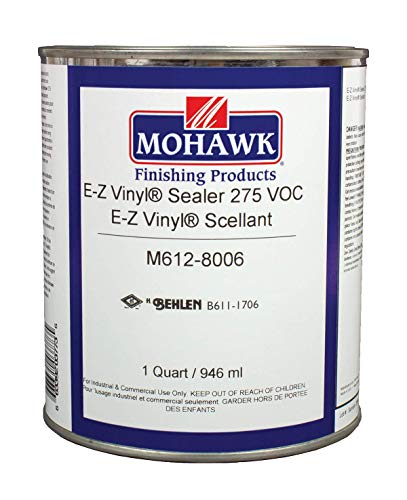
After applying the desired coating, I recommend using a high-quality topcoat to protect the surface. A water-based polyurethane finish provides excellent durability without yellowing over time. For a more traditional aesthetic, opt for an oil-based finish that offers a warm, amber hue.
Before sealing, allow the base layer to cure for at least 24 hours. This ensures proper adhesion of the topcoat. Use a fine-grit sandpaper to lightly scuff the surface, promoting better bonding for subsequent layers.
Apply the topcoat with a synthetic brush or a foam applicator for smooth, even coverage. I prefer to work in thin layers; this approach minimizes drips and allows for quicker drying times. After the first application, let it dry thoroughly before lightly sanding again with fine-grit paper. This process aids in achieving a smooth finish and also enhances the overall look of the piece.
For a bit of sheen, consider using a satin or semi-gloss finish. This not only adds elegance but also makes it easier to clean any marks or fingerprints that accumulate over time. If a matte look is preferred, a chalk-finish sealer can maintain that rustic charm while offering adequate protection.
Always follow the manufacturer’s instructions regarding drying times and application techniques for best results. Regular maintenance, such as applying wax or additional coats over time, can prolong the lifespan and retain the beauty of your piece.
Accessorizing Your Furniture for an Authentic French Country Feel
Incorporating rustic elements is key to creating an authentic atmosphere. Opt for vintage or antique accessories such as ornate candlesticks, distressed mirrors, and aged wooden trays. These pieces add character and warmth.
Textiles play a significant role; consider adding linen or cotton throws and cushions featuring floral patterns or checks. Natural fibers elevate the cozy vibe and enhance the overall aesthetic.
Avoid minimalism by layering decorative items. Use a mix of tall and short pieces to create visual interest. Grouping items such as glass vases, ceramic bowls, or woven baskets draws the eye and showcases craftsmanship.
Add greenery through potted herbs like lavender or rosemary, which not only enrich the decor but also infuse your space with delightful scents. Choose vintage terracotta pots for an extra rustic touch.
Lighting can make or break the mood. Incorporate wrought iron or brass fixtures that reflect the charm of rural France. Soft, warm light can create an inviting atmosphere for gatherings.
Consider artwork that captures pastoral scenes or botanical prints to adorn the walls. Framing them in distressed wood complements the antiquated theme and ties everything together.
Finally, personal touches like heirlooms or travel souvenirs can resonate with your story, making the space feel lived-in and truly unique to you.
FAQ:
What type of paint is best for achieving a French country look on furniture?
To achieve an authentic French country look, using chalk paint is highly recommended. Chalk paint adheres well to most surfaces and provides a matte finish that evokes the vintage aesthetic typical of French country style. It also allows for easy distressing, which can enhance the worn, rustic appearance that’s desirable in this decor style. You might also consider milk paint for a more traditional option, as it can create a similar effect while offering a more natural finish.
How do I prepare my furniture before painting it for a French country style?
Preparing your furniture is a key step to ensure that the paint adheres properly and that the final result looks polished. First, clean the surface thoroughly to remove dust and grease. If the furniture has a glossy finish, it’s wise to lightly sand the surface to help the paint stick better. If there are any scratches or imperfections, fill them with wood filler and sand again once it dries. Lastly, it can be helpful to apply a primer if you’re working with darker colors or stained wood, as this can help the paint’s color appear more vivid and ensure even coverage.
Can I achieve a distressed look easily, and what techniques should I use?
A distressed look can be achieved fairly simply with a few techniques. After you’ve painted your furniture and it has dried completely, you can gently sand areas that would naturally wear over time—such as edges and corners. Use fine-grit sandpaper for the best results. Another technique is to add a second layer of a different color, then sand through the top layer to reveal the color underneath. You might also consider using a wet rag to wipe away some paint in areas, creating a softer distressed effect. Finish with a clear wax to protect the paint and enhance the aged look.
What colors are most commonly used to create a French country feel?
French country decor often features a soft, muted color palette that reflects nature. Common colors include light blues, soft greens, and buttery yellows, often complemented by creamy whites and grays. These colors create a serene and inviting atmosphere. You might also find earth tones like terracotta or beige, which can add warmth to your space. When choosing colors, consider selecting shades that evoke a rustic feel while remaining harmonious with your existing decor.
How can I accessorize my painted furniture to enhance the French country style?
Accessorizing your painted furniture is a great way to enhance the French country aesthetic. Consider adding vintage hardware, such as ornate drawer pulls or knobs, to give pieces an authentic touch. Textiles also play a vital role; using natural fabrics like linen or cotton in cushion covers and table linens can add softness. Floral arrangements in simple vases or pitchers can bring life to your painted pieces. Rustic decor items, such as wooden bowls or ceramic pots, will further complement the look, creating a cohesive and inviting atmosphere in your space.