
 Caleb Turner
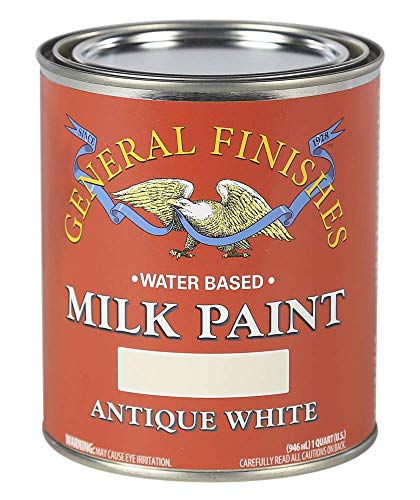
Choose a base coat of soft cream or light beige for a classic foundation. Apply a primer to ensure better adhesion, especially on surfaces like wood or laminate. Once the primer dries, layer on your selected base coat with a high-quality brush or roller for even coverage.
While the first coat sets, prepare for the aging process. Select a contrasting hue, perhaps a muted gray or soft taupe, for the finishing touches. After the base is fully dry, gently sand the edges and raised areas to expose the undercoat, creating an authentic weathered effect.


For an extra layer of texture, consider adding a wash of glaze. Mix a small amount of paint with a clear medium, allowing for a translucent coat that highlights the distressed areas without overwhelming the base color. Seal everything with a protective finish, ensuring longevity while preserving the charming character.
Application Techniques for a Vintage Finish
Begin with a thorough cleaning of the piece to remove any dust or grease. Use a gentle degreaser if necessary.
Layering Process
- Apply a primer suitable for the surface, opting for a chalk or mineral-based type for a better grip.
- Choose a creamy hue and apply a thin layer, allowing it to dry completely before adding another coat. Two to three applications may be needed for solid coverage.
Creating a Worn Appearance
- After drying, select sandpaper with a fine grit. Lightly distress edges and raised areas to mimic natural wear.
- To enhance the vintage look, rub in a dark wax or glaze, focusing on crevices and detailed sections.
- Finish with a protective topcoat to seal in your work and ensure longevity.
Experimenting with various tools like brushes or rags can yield different textures. Don’t hesitate to try new techniques for a unique result.
Choosing the Right Type of Furniture for Distressing
Select pieces made of solid wood or plywood. Avoid particle board, as it doesn’t hold up well during the distressing process. Look for items with intricate designs or carvings that can enhance the vintage appeal once aged.
Considerations for Material
Hardwoods like oak, pine, and maple are excellent choices due to their durability and ability to achieve a beautiful finish. Each type offers unique grain patterns that will become more pronounced once you start applying layers of color and texture.
Style and Structure
Opt for items that have a classic or rustic silhouette. Think of pieces with turned legs, ornate handles, or aged finishes, as these elements can be accentuated through distressing. Avoid modern or minimalist designs, as they may not convey the desired antique look.
Shabby chic decor often pairs well with a light touch of wear, so searching for vintage finds at thrift stores or flea markets can yield treasures perfect for this technique. Make sure the structure is stable; any necessary repairs should be completed before starting your transformation.
Assess the existing finish, as a well-aged piece will respond beautifully to distressing, offering character and depth. Look for signs of natural wear; this can guide how much distressing you’ll want to apply in your project.
Ultimately, the right choice sets the stage for a stunning piece that captivates with its aged charm.
Essential Tools and Materials for the Project
I recommend gathering the following items for a successful transformation: a high-quality chalk or acrylic substance that provides a matte finish, a good primer to ensure proper adherence, and a clear top coat for protection. Vintage or classic pieces benefit from a gentle approach during the application process.
Basic Tools Required
| Tool | Purpose |
|---|---|
| Brushes | For smooth application of the coating, using both wide and fine brushes is beneficial. |
| Foam Roller | To cover larger surfaces evenly and quickly. |
| Sanding Block | For creating a weathered effect; it helps to remove certain areas of the finish. |
| Drop Cloths | To protect surrounding areas from spills and drips. |
Additional Supplies
Don’t forget to pick up a dust mask to guard against particles during sanding, as well as painter’s tape to keep edges sharp. Having a sponge handy can also aid in weathering effects.
Preparing the Surface for Transformation
First, I ensure that the piece is clean. I use a mixture of warm water and mild soap to wipe down the entire surface, removing dirt and oils. After cleaning, I let it dry completely.
Next, I inspect for imperfections. Any nicks, scratches, or rough spots get my immediate attention. I fill larger dents with wood filler, allowing it to cure as per the instructions. For minor imperfections, I sand those areas with fine-grit sandpaper until smooth.
Once dried, I take a sanding block or orbital sander and gently sand the entire surface. This step is crucial for facilitating adhesion of the new finish. I focus on areas with glossy patches to ensure they become less slick and more receptive to the next layers.
After sanding, I use a tack cloth to remove any dust particles caused by the sanding process. This step prevents dust from ruining the finish and ensures a clean application.
For pieces that have previously been coated with a polyurethane or lacquer finish, I use a paint stripper. I apply it according to the manufacturer’s instructions, scraping away the old finish before sanding the surface to remove any residue.
Finally, I choose a primer suitable for the new coating material I will use. I apply it evenly, allowing it to dry completely before continuing with my decorative work. Proper preparation of the surface sets the foundation for a successful transformation.
Selecting the Best Antique White Paint
For achieving a vintage appearance, I recommend choosing a matte or eggshell finish. These finishes provide a softer look compared to glossy options while enhancing the overall distressed style.
Consider high-quality, acrylic-based products specifically designed for furniture. They offer durability and ease of application. Brands known for their excellent coverage and adherence include Annie Sloan and Rust-Oleum, which are frequently praised for their antiquing properties.
When selecting the shade, look for a warm tone that mimics aged plaster or aged wood. Test samples in different lighting conditions, as daylight can alter the perceived hue. Pay attention to undertones; some may lean towards cream, while others might appear more gray. The right undertone can significantly influence the final aesthetic.
Here’s a quick comparison of various paint options:
| Brand | Finish Type | Color Tone | Durability |
|---|---|---|---|
| Annie Sloan | Matte | Warm Cream | High |
| Rust-Oleum | Eggshell | Soft Off-White | Medium |
| Behr | Matte | Traditional Ivory | High |
For added depth, consider layering techniques. Applying a base coat followed by a lighter top coat allows you to sand through the layers to reveal the base color. This technique enhances the vintage vibe while allowing greater customization.
Finally, don’t forget to read reviews and gather recommendations from online forums or local DIY communities to find the perfect product that matches your vision and works well with your project setup.
Applying the First Coat of Paint Evenly
To achieve a uniform finish, using a high-quality brush or roller is key. I prefer a synthetic brush for water-based formulations, as it provides a smooth application without leaving noticeable brush strokes.
Technique
Begin at one end of the project and work your way to the opposite side. Apply the liquid in long, even strokes, ensuring each stroke overlaps slightly with the previous one. This method prevents lines and promotes a seamless look.
Drying Time
Allow the initial application to dry completely, which may take a few hours depending on humidity and temperature. Avoid rushing this step; proper drying can eliminate unsightly marks during subsequent layers.
After drying, inspect the surface for any imperfections or uneven areas. If necessary, lightly sand these spots once dry, then wipe away dust before applying the second coat.
Always aim for thin layers rather than thick ones, as thick applications can lead to drips and uneven textures. Patience is key; let each coat fully dry before proceeding.
Techniques for Creating a Distressed Look
I recommend using sandpaper or a sanding block to create wear on edges and surfaces. Focus on high-traffic areas and places that would naturally show signs of aging. Start with a coarse paper (around 120 grit) to remove the top layer before moving to finer grit (220 grit) for smoothing the edges.
For a more controlled approach, consider using a damp cloth to wipe the surface lightly before distressing. This will help remove dust and ensure that the distressing stays even.
Another effective method involves utilizing a glazing technique. After your first coat dries, mix a small amount of dark paint or glaze with a clear medium. Apply this mixture to crevices and details, then wipe off the excess, leaving it in the grooves and imperfections. This creates depth and enhances the weathered appearance.
If you desire a more random distressed effect, try hitting specific areas with a hammer or other tools to create small dents and imperfections. This adds character and makes the piece feel truly vintage.
Finally, layering different shades can provide a variation in the finish. After applying your base layer, use a slightly darker or lighter tone to accentuate the worn areas. This creates a multidimensional effect that mimics natural aging.
Sealing the Finish for Longevity
For achieving lasting durability in the final look of your piece, applying a quality sealant is crucial. I prefer a matte or satin polyurethane for its ability to protect while maintaining the desired appearance. Choose a water-based option, as it tends to dry clear and prevents yellowing over time.
Application Process
Using a high-quality synthetic bristle brush, gently apply a thin coat in even strokes, ensuring to cover every inch evenly. Pay attention to edges and corners, as these areas are often prone to chipping. Allow the first layer to dry completely before sanding lightly with 220-grit sandpaper. This creates a better bond for the next coat.
Final Touches
After the second coat, let it cure for at least 48 hours before heavy use. This waiting period allows the finish to harden, providing robust protection. For extra care, consider a third coat, especially for pieces in high-traffic areas. Ensuring the finish is sealed properly will maintain the charm of the piece through years of enjoyment.
Maintaining Your Distressed Antique White Furniture
To keep this charming appearance intact, I regularly dust the surfaces with a soft microfiber cloth. This prevents dirt buildup and helps maintain the finish. Avoid using abrasive cleaners, as they can damage the delicate surface. Instead, I opt for a mild soap solution if deep cleaning is needed.
Protecting Against Scratches
To minimize scratches, I place coasters under drinks and avoid sliding objects across surfaces. For heavier items, using felt pads on the bottom can prevent unwanted marks. Regularly assessing and touching up small damages checks further issues from expanding.
Reapplication of Top Coats
Annually, I apply a fresh coat of top sealant. This practice preserves the surface’s integrity and enhances the distressed look. It’s important to choose a sealant that complements the existing finish and allows the character to shine through without altering the intended style.
Common Mistakes to Avoid When Painting Furniture
Skipping surface preparation can lead to poor adhesion, resulting in chipped layers. Always clean, sand, and prime the area to ensure a smooth finish.
Choosing the Wrong Finish
Selecting a finish that is too glossy may mask the desired aged appearance. Opt for a matte or eggshell finish to enhance the rustic charm.
Ignoring Drying Times
Patience is key. Rushing to apply multiple coats before allowing adequate drying can blur the finish. Follow the manufacturer’s recommended drying times.
- Allow the first coat to dry completely.
- Check humidity levels that could affect drying.
- Don’t apply new layers in cold or damp conditions.
Failing to test techniques before application can result in unexpected outcomes. Experiment with distressing methods on a small hidden area first.
Over-distressing
Avoid excessive wear marks. Start with light distressing, as it’s easier to add more than to remove.
- Use fine-grit sandpaper for subtle effects.
- Focus on edges and high-contact areas.
- Step back often to assess the overall appearance.
Neglecting protection for the final layer can reduce durability. Always seal with a compatible topcoat to enhance longevity.
Rushing the Process
Hastiness can lead to mistakes. Take the time needed for each stage to ensure a quality outcome.
- Set aside dedicated time for the project.
- Don’t experiment with multiple techniques simultaneously.
- Allow each coat to cure fully before proceeding.
Lastly, ignore maintenance advice post-project at your own risk. Regular dusting and occasional resealing help to preserve the charm and integrity of your piece.


