Caleb Turner

Begin with a thorough cleaning of the item to remove dust and grease, ensuring optimal adherence of your chosen finish. A mixture of warm water and mild soap works well for this step.
Prepare the surface by lightly sanding it using fine-grit sandpaper. This not only helps the new coat stick but also smooths out any imperfections. Wipe away the dust with a damp cloth once finished.


Opt for a high-quality primer, preferably one designed for furniture surfaces. Applying a primer lays a solid foundation, preventing any old stains or colors from bleeding through. Allow ample drying time according to the manufacturer’s instructions.
Next, select a deep shade that aligns with your vision. A satin or matte finish can offer a sophisticated look, while keeping the charm of the piece intact. Use a brush or roller, applying thin, even coats. Multiple layers ensure durability and richness of color; be sure to allow adequate drying time between each coat.
Once the final coat is dry, consider sealing the piece with a clear protective topcoat. This will guard against scratches and wear, preserving its beauty over time.
Selecting the Right Coating for Your Pieces
I recommend using a high-quality acrylic or chalk-based solution for optimal results. These options adhere well, provide a matte finish, and are easy to work with. Make sure the product you choose is suitable for surfaces commonly used in indoors settings.
For a durable finish, consider polyurethane or water-based topcoats, as they enhance protection against scratches and wear. These sealers will help maintain the appearance of your masterpiece for years while providing a smooth texture.
Always check if the chosen solution is self-leveling. This feature minimizes brush strokes and promotes an even application, ensuring a polished outcome. Additionally, look for a low-VOC formula if working in an enclosed space for better air quality.
Testing different shades is crucial. Purchase small sample containers and apply them on a discreet area first. This step helps observe how the color interacts with the underlying tones and grains, allowing for an informed decision.
Finally, don’t overlook the importance of prep work. Cleaning and sanding the surface beforehand will improve adhesion and longevity. The right combination of products paired with diligent preparation will deliver impressive results.
Preparing the Surface for Transformation
Remove any existing finish using a stripper or sandpaper. If the surface has a glossy sheen, sanding is essential. I typically use 120-grit sandpaper followed by 220-grit for a smooth finish.
Cleaning the Surface
After sanding, thoroughly clean the surface. A damp cloth or a mixture of water and vinegar works well to eliminate dust and debris. Allow it to dry completely before proceeding.
Dealing with Repairs
Check for any imperfections like scratches, dents, or loose parts. Wood filler can be applied to fill in gaps. Once it’s dry, sand it flush with the surrounding area. Ensure everything is even and smooth to achieve a polished final look.
Choosing the Best Brushes and Tools for Application
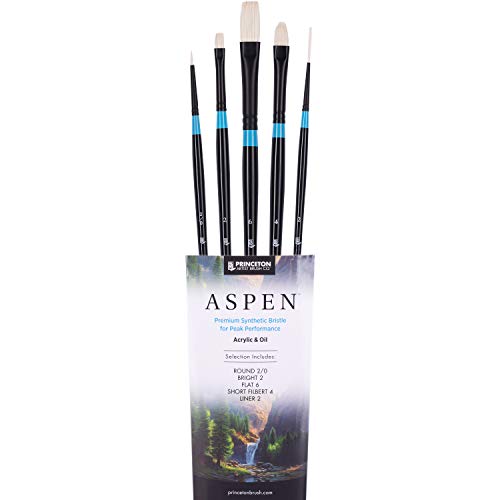
For achieving a flawless finish on your pieces, I recommend using high-quality synthetic brushes. These brushes hold their shape well and are ideal for applying water-based products, which are commonly used for this style. A 2- to 3-inch angled brush allows for precision around corners and detailed areas.
Rollers and Foam Applicators
Consider using a small foam roller for larger flat surfaces. This tool helps distribute the coating evenly while reducing visible brush strokes. A 4-inch roller is a good size for most items. Pairing it with an angled brush lets me tackle both expansive areas and intricate details effectively.
Additives for a Smooth Finish
Using a paint conditioner can enhance flow and level the finish on tabletop surfaces. I recommend mixing it with your chosen coating for a more professional end result. Additionally, have sandpaper or sanding pads on hand for between coats to ensure a perfectly smooth surface.
Applying a Primer Before Coating
Using a primer is non-negotiable for achieving a smooth and durable finish. I always opt for a high-quality bonding primer specifically designed for the material of the piece. This step enhances adhesion, prevents stains from bleeding through, and ensures that the final color appears uniform and rich.
Before applying the primer, I thoroughly clean the surface to remove dust, oils, or previous residues. Next, I lightly sand the area with fine-grit sandpaper to create a better bond. After sanding, I wipe it down with a damp cloth to eliminate any debris. This preparation ensures that the primer adheres properly and creates a solid foundation for the subsequent layers.
Application of the primer is best done with a high-density foam roller or a quality brush for corners and intricate details. I find that rolling on a thin, even coat minimizes the appearance of brush marks. I usually allow the primer to dry completely according to the manufacturer’s instructions before inspecting for any uneven spots that may need a second coat.
Once the primer is dry and fully set, I lightly sand it again with fine-grit paper. This smoothens out any imperfections and enhances the adhesion of the final finish. Following these steps ensures the look I aim for is not just visually striking but also long-lasting.
Techniques for Even Application of Dark Coating
To achieve a consistently smooth finish, I recommend employing the following methods:
1. Use a Synthetic Brush
A high-quality synthetic bristle brush facilitates an even distribution of the chosen hue. The flexibility of synthetic bristles allows for better manipulation of the coating, especially on intricate details.
2. Apply Thin Layers
- Begin with a light coat to avoid drips.
- Allow each layer to dry thoroughly before applying the next.
- Two to three thin applications lead to a smoother final surface compared to a single thick coat.
3. Employ a Foam Roller for Flat Surfaces
For large, flat areas, a foam roller can help achieve a seamless finish. It minimizes brush strokes and offers better fluidity of the application.
4. Maintain a Wet Edge
As I work, keeping a wet edge prevents visible lines and ensures that each section blends seamlessly into the next. Work in sections and don’t let the coating dry between passes.
5. Sand Between Coats
- Lightly sand with fine-grit sandpaper after each layer has dried.
- This creates a smooth surface for the subsequent coat and enhances adhesion.
Implementing these techniques transforms the overall appearance, giving a professional touch to the transformation. Patience during the process pays off in the quality of the final look.
Finishing touches for a polished look
To achieve a refined appearance for your piece, consider applying a clear protective finish, such as polyurethane or a wax sealant, to enhance durability and sheen. It’s crucial to select the right sheen level; satin finishes offer a balanced look, while gloss creates a high shine.
Application Steps
Before applying, ensure the surface is clean and properly cured. I typically use a high-quality brush or a lint-free cloth for wax application. If using a polyurethane, opt for a foam applicator for a smooth coverage.
| Finish Type | Applicator | Drying Time |
|---|---|---|
| Polyurethane (Gloss) | Foam Brush | 2-4 hours |
| Polyurethane (Satin) | Foam Brush | 2-4 hours |
| Wax | Lint-Free Cloth | 30 minutes – 1 hour |
Final Checks
After applying the finish, inspect for any imperfections. If needed, lightly sand between coats for an ultra-smooth final layer. This extra step pays off in achieving a professional-grade result.
Maintaining Your Newly Painted Items
Regular cleaning is crucial to keep the finish looking fresh. I use a damp microfiber cloth to wipe down surfaces, avoiding harsh chemicals that can damage the coating. For tougher stains, a diluted mild soap solution works wonders without stripping the finish.
Preventing Damage
Coasters are a must on surfaces to prevent rings from drinks, while placing felt pads under objects helps avoid scratching. I also avoid heavy items resting on the surface for an extended period, as this can create indentations.
Touch-Ups
Accidents happen, so I keep a small container of leftover color for quick repairs. A fine brush allows for precise touch-ups where needed, ensuring my pieces stay flawless. For larger areas requiring attention, I gently sand the affected area before applying a small amount of color.
It’s also beneficial to maintain a consistent environment. I try to keep items away from direct sunlight to prevent fading, and using a humidity control system can help avoid warping over time. This routine keeps my pieces looking their best and extends their lifespan.
FAQ:
What type of paint is best for painting French provincial furniture black?
For painting French provincial furniture black, using a high-quality chalk paint or an acrylic paint is recommended. Chalk paint adheres well to surfaces without requiring extensive prep work, giving a matte finish that is often desired for vintage furniture. On the other hand, acrylic paint offers durability and is suitable for pieces that will see heavy use. Look for paints that are specifically formulated for furniture use, as these will provide better adhesion and a more resilient surface.
How do I prepare my French provincial furniture before painting it black?
To prepare your French provincial furniture for painting, start by cleaning it thoroughly to remove any dust, grime, or oils. Use a mild soap solution and a soft cloth to wipe down the surfaces. If the furniture has an existing finish that is glossy, lightly sand it with fine-grit sandpaper to create a better surface for the paint to adhere. Repair any scratches or dents with wood filler, and once everything is clean and dry, apply a primer if your chosen paint requires one. This will help ensure an even finish and improve paint adhesion.
Can I skip priming my French provincial furniture when painting it black?
Skipping primer is an option in some cases, especially when using chalk paint, which often does not require it. However, if the furniture piece has been previously painted, has a glossy finish, or if you are switching from a light color to black, it’s advisable to use a primer. Primer will prevent potential bleed-through of older paint colors and help achieve a smooth finish with your black paint. If you are unsure, a coat of primer can be a small investment to ensure a better final result.
How many coats of black paint should I apply to my French provincial furniture?
The number of coats needed will depend on the type of paint used and the original color of the furniture. Generally, two coats of black paint are recommended for even coverage and a rich finish. After the first coat dries, assess the coverage. If the original color is still showing through or if the black appears uneven, apply a second coat. Allow adequate drying time between coats, and remember that thinner coats usually yield better results than thick ones.
What finishing options can I use after painting my French provincial furniture black?
After painting your French provincial furniture black, you may consider applying a protective topcoat for added durability. Options include a clear wax, which provides a soft sheen and a smooth surface, or a polyurethane finish for increased durability, especially on pieces that will be used frequently. Apply the finish according to the product instructions, and ensure the paint is completely dry before doing so. Choosing a finish will depend on the intended use of the furniture and the desired aesthetic effect.