Caleb Turner

The first step I recommend is thorough preparation. Carefully clean the surface using a mixture of mild soap and water, removing any dust, grease, or grime. After cleaning, let it dry completely. This foundational step ensures adherence of subsequent layers.
Next, I opt for a quality primer to create a strong bond for the color layer. Choosing a water-based primer is wise, as it dries quickly and minimizes odors. Apply it evenly across the entire area, using a foam roller for flat surfaces and a brush for detailed sections. Allow it to dry as per the manufacturer’s instructions.
Once the primer is dry, I proceed with the application of my desired topcoat. Selecting a high-quality acrylic or latex finish offers durability and a smooth appearance. It’s best to apply at least two coats, allowing adequate drying time between each layer for optimal coverage and finish.
For the final touch, I add a clear protective sealant to enhance longevity. This not only safeguards against scratches but also facilitates easier cleaning going forward. With these steps, your piece will be rejuvenated, showcasing a fresh, bright appearance that transforms your space.
Process for Transforming Surfaces to a Lighter Hue
Preparation is key to achieving a durable and appealing look. I begin by thoroughly cleaning the item with a mixture of mild soap and water to remove any grease or dust. After the surface dries completely, I lightly sand the existing finish using fine-grit sandpaper. This creates a better bond for the subsequent layers.

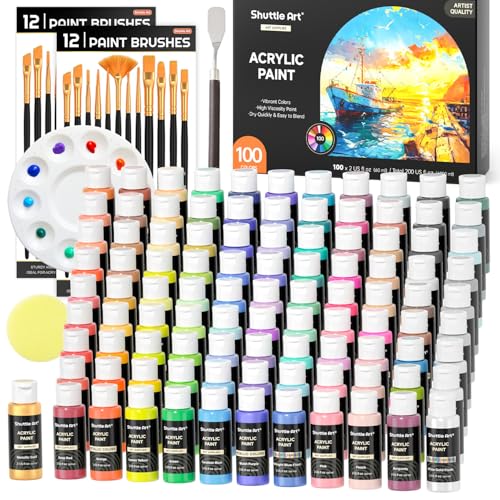

I select a high-quality primer designed to adhere to glossy surfaces. Applying the primer with a brush ensures even coverage and allows for a smooth finish. I let it cure as per the manufacturer’s recommendations, usually around 24 hours, before moving on to the next step.
Choosing the right topcoat is essential. I prefer a semi-gloss or satin finish for a more polished look. Using a foam roller helps minimize brush strokes, while a small brush can be used for corners and edges. I apply thin layers, allowing each coat to dry fully before adding the next, generally needing two to three layers for solid coverage.
To enhance durability, considering a clear protective sealant is wise. Once the final coat has dried, I apply the sealant according to the instructions, ensuring the longevity of the transformation.
Finally, patience is necessary during the drying process. I allow the piece to cure for several days before usage, ensuring the new appearance remains intact over time.
Choosing the Right Coating for Finished Timber
I recommend selecting a high-quality acrylic or latex-based option for applying a fresh color to your completed pieces. These types dry quickly, withstand wear, and provide a smooth finish without yellowing over time. Make sure to verify that the product is suitable for application on previously treated surfaces.
Key Factors to Consider
When deciding on the ideal coating, consider the following:
| Factor | Recommendation |
|---|---|
| Surface Compatibility | Choose products specifically labeled for use on sealed surfaces. |
| Finish Type | Satin or semi-gloss finishes tend to provide a subtle shine without overwhelming sheen. |
| Durability | Acrylic options are preferred for high-traffic areas due to their scratch resistance. |
| Application Method | Opt for water-based formulas if using a spray method for a more uniform application. |
Color Selection
Choosing the right shade can elevate the aesthetic of your item. A soft, muted tone can add warmth, while a brighter hue may create a more modern feel. Always test a small area to ensure the final look aligns with your vision.
Preparing the Surface Before Painting
First step involves thorough cleaning with a mixture of warm water and mild soap to remove dust and oils. I always ensure to rinse well and let it dry completely.
Next, I use a fine-grit sandpaper to lightly scuff the surface. This promotes adhesion. I focus on areas that may have been glossy or sealed, as those require more attention.
After sanding, I vacuum the dust off and wipe down the area with a damp cloth to catch any remaining particles. A clean surface is non-negotiable for achieving a smooth finish.
If there are any imperfections like scratches or dents, I fill them with a suitable wood filler. Once dry, I sand the filled areas smooth and even, blending seamlessly with the rest.
I prefer applying a primer designed for compatibility with the topcoat. This ensures better coverage and longevity. I choose a primer that applies easily and dries quickly, allowing me to move to the next stages without prolonged waiting.
Applying Primer for Better Adhesion
I always opt for a high-quality bonding primer to ensure that the top layer adheres properly to the surface. This step is non-negotiable; it provides a solid base and prevents peeling or chipping later on.
Selection of Primer
Choosing the right primer is essential. For non-porous surfaces, a shellac-based primer offers excellent adhesion and stain-blocking abilities. For more versatility, a water-based primer can work well, but I ensure it’s designed for semi-gloss or gloss finishes for the best results.
Application Method
I prefer using a foam roller for larger areas to achieve a smooth finish, while a high-quality brush caters to the edges and smaller sections. I apply a thin, even coat and allow ample time for it to dry completely, usually following the manufacturer’s instructions for drying time. Sanding lightly with fine-grit sandpaper once dried enhances the grip for the subsequent layer.
Painters’ Techniques for a Smooth Finish
To achieve an impeccable result, I rely on a few specific techniques that elevate the final look without turbulence. First, using a high-quality synthetic brush is key. These brushes hold paint well and provide even application, minimizing streaks and marks.
Always apply multiple thin layers rather than a single thick coat. This not only enhances adhesion but also promotes a smoother appearance as the layers dry more uniformly. It’s advisable to lightly sand between coats with fine-grit sandpaper. This step ensures any raised fibers are smoothed out, creating a flawless surface for the subsequent layer.
Roller Technique for Larger Surfaces
When working with larger expanses, I often switch to a foam roller. This tool distributes product evenly and helps reduce brush strokes. After rolling on the material, I cross-brush with a synthetic brush to blend and smooth any texture left by the roller.
Final Touches
For the final layer, I opt for a satin or eggshell finish. These finishes reflect light subtly and add depth, enhancing the overall aesthetic. After everything has dried, a gentle buffing with a soft cloth can add a touch of elegance while smoothing any imperfections. Always remember to let the surface cure fully before putting it to use.
Dealing with Common Painting Challenges
Adapting to obstacles during the transformation of my items can be straightforward with the right approach. Here are some frequent issues and solutions that I’ve encountered.
- Use of Wrong Brush or Roller: Selecting an inappropriate tool can leave streaks or texture. I recommend using a high-density foam roller for even coverage or a synthetic bristle brush for detailed areas. Always ensure they’re suitable for the type of coating utilized.
- Streaking or Uneven Coverage: This often arises from applying too thick a layer. I apply thin coats, allowing ample drying time between each. Light sanding between layers enhances adhesion and smoothness.
- Peeling or Chipping: This might occur if the surface wasn’t adequately prepared. Each time I tackle a project, I make sure to sand the surface and clean any dust or impurities. A good adhesion primer also helps prevent this issue.
- Yellowing Over Time: Some finishes may discolor. To combat this, I opt for high-quality, water-based options that resist yellowing, especially in spaces with strong sunlight.
- Odors: Many coatings release strong smells. Choosing low-VOC or zero-VOC varieties can significantly reduce odors and be safer for indoor use.
Staying mindful of these challenges during my projects allows for smoother progress and a more satisfactory outcome. It’s all about making informed choices and being prepared for the unexpected.
Sealing and Protecting Your Painted Furniture
To ensure durability and longevity of your newly coated surfaces, using a high-quality sealer is key. I opt for a polyurethane finish, which adds a robust protective layer. For indoor items, water-based options work well, providing a clear finish without altering the hue of the topcoat.
Before application, I lightly sand the surface with fine-grit sandpaper. This step enhances adhesion of the sealer, creating a seamless bond. After sanding, I clean the surface with a damp cloth to remove dust particles, ensuring a smooth, pristine finish.
I apply the sealer with a synthetic brush or foam applicator for even distribution, working in thin layers. Two to three coats typically suffice, allowing adequate drying time between each layer. I always check for manufacturer’s recommendations on drying times for optimal results.
For additional wear resistance, I choose a satin or semi-gloss finish, which not only provides a beautiful sheen but also simplifies cleaning. It’s essential to avoid harsh chemicals for maintenance; a gentle soap and water solution works effectively while preserving the sealant’s integrity.
After the final coat, I let the pieces cure for at least a week before heavy use. This ensures the protective barrier fully hardens, safeguarding against scratches and spills. Keep the furniture in a well-ventilated area during this period to aid the curing process.