
 Caleb Turner
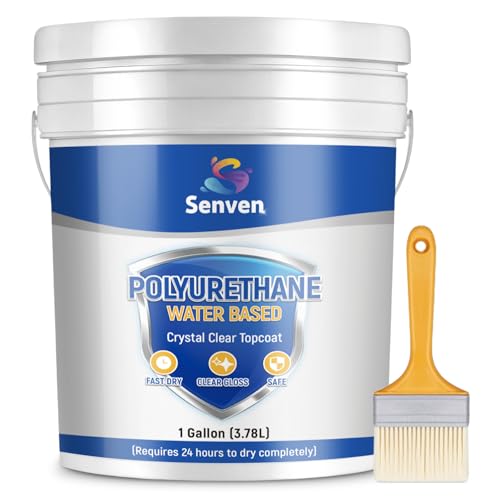
Begin with a smooth surface. Gently sand the item using fine-grit sandpaper to eliminate any gloss and ensure better adhesion of subsequent layers. Wipe away dust with a damp cloth for a clean application.
Next, choose a suitable primer. A bonding primer made for non-porous surfaces is ideal, as it enhances coverage and durability. Apply a thin coat, allowing it to dry completely before proceeding.
For the top layer, opt for acrylic or latex concoctions, which offer flexibility and resistance to wear. Use a high-quality brush or roller to achieve an even finish, applying multiple thin coats instead of one thick layer for optimal results.


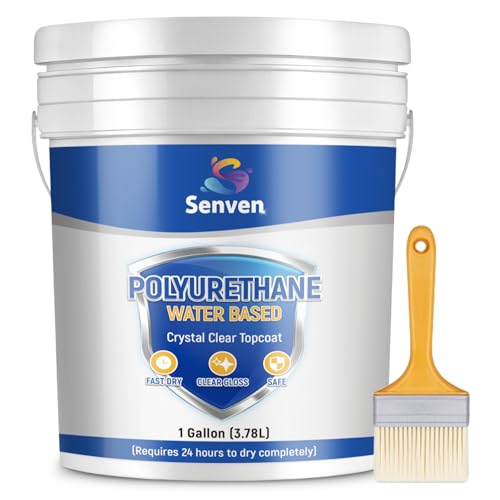

After finishing with the final coat, let it cure properly. Wait a few days before placing items back onto the transformed surface to allow for complete hardening and durability.
Techniques for Transforming Engineered Timber Surfaces
I recommend thoroughly cleaning your panels with a mixture of mild detergent and water. This removes dirt and grease, ensuring optimal adherence of your chosen coating. Once cleaned, dry the surfaces completely to avoid trapping moisture.
Next, lightly sand the surfaces with fine-grit paper. This step is crucial as it creates a textured profile, allowing the new layer to grip better. Focus on edges and corners where finish may have worn away. Be gentle to prevent damaging the underlying material.
Choosing the Right Coating
Select a primer specifically formulated for synthetic materials to enhance durability. Apply a thin coat evenly using a foam roller or brush, ensuring complete coverage. Allow the primer to dry as directed on the product label. A second coat may be necessary for optimal results.
Final Application for a Professional Finish
For the final layer, pick a high-quality acrylic or enamel coating suitable for synthetic surfaces. Apply uniformly, avoiding excess to prevent drips. Work in manageable sections to maintain a wet edge, ensuring a seamless finish. Allow ample drying time before using or moving the items.
Choosing the Right Paint for Compressed Wood
Opt for acrylic or latex formulations. These water-based options offer durability and flexibility, perfect for surfaces that may expand or contract.
Acrylic vs. Latex
- Acrylic: Ideal for indoor projects, providing a resilient finish and vibrant colors.
- Latex: Easily cleanable and suitable for many applications, making it user-friendly for DIY enthusiasts.
Specialized Coatings
- Chalk Paint: Delivers a matte finish, excellent for a vintage look. Minimal surface prep is required.
- Primer: Always use a primer designed for composite materials. It enhances adhesion and ensures even coverage.
Check for low-VOC options to minimize harmful emissions. The finish can significantly impact the final appearance; glossy or satin finishes add depth, while matte offers a subtle effect. Test on a small area first to ensure compatibility and satisfaction with the result.
Preparing Your Furniture for Painting
Ensure the surface is clean and free from dust and grease. I use a mixture of warm water and mild soap to wipe down the item, followed by a dry cloth to remove any moisture. For stubborn stains or residues, a gentle scrub with a soft sponge can help.
Assess the condition of the surface. If there are any rough areas, I lightly sand them using fine-grit sandpaper, which creates a better texture for adhesion. For holes and cracks, I apply a wood filler, allowing it to dry completely before sanding it smooth.
Consider using a primer specifically formulated for synthetic materials. Applying a thin layer helps seal porous surfaces and improves overall finish. I usually opt for a spray primer for an even coat; however, a brush can also suffice if I prefer more control.
After priming, I wait for the recommended drying time as indicated on the label before proceeding. This step prevents issues that arise from moisture interference. I also advise working in a well-ventilated area to facilitate adequate airflow during this process.
| Step | Action |
|---|---|
| 1 | Clean the surface thoroughly. |
| 2 | Sand rough spots if necessary. |
| 3 | Fill any holes with filler. |
| 4 | Apply primer to enhance adhesion. |
| 5 | Ensure proper ventilation while working. |
Tools Needed for Painting Compressed Wood
I recommend gathering the following items for a successful project:
Basic Supplies
Start with a high-quality primer suitable for particle board surfaces. Choose a roller and a brush for application–rollers cover larger areas, while brushes are perfect for hard-to-reach spots. A paint tray will simplify the process of loading your roller.
Safety Gear
Don’t forget safety gear. A dust mask will protect against any particles while sanding, and gloves will keep your hands clean. Consider safety goggles to shield your eyes from dust or splashes.
Lastly, always have cleaning supplies ready for any spills or overspray. Rags or paper towels and a mild detergent will keep things tidy throughout your work.
Applying Primer on Compressed Wood Surfaces
For optimal results, I always use a high-quality primer specifically designed for engineered surfaces. This step is crucial for creating a suitable base that enhances adhesion and blocks stains.
Choosing the Right Primer
A shellac-based primer works exceptionally well as it seals effectively and dries quickly. Alternatively, for those sensitive to odors, a water-based primer is less pungent but still effective. Always check the product label to confirm compatibility with the materials of your project.
Application Technique
Using a foam roller ensures an even application without leaving brush marks. I apply a thin coat and allow it to dry completely, I carefully sand with fine-grit sandpaper to create a smooth surface. Vacuum any dust before the next layer, and I usually apply one more coat for durability.
Techniques for Painting Compressed Wood Furniture
For optimal results, I recommend using a spray technique for a smooth finish. This approach minimizes brush strokes and provides an even coat. Ensure you maintain a consistent distance of about 6-12 inches from the surface while spraying.
Consider using a foam roller for larger areas. This tool allows for better coverage while reducing the likelihood of drips. Roll in long, even strokes, and follow the grain if applicable to achieve a seamless appearance.
When using a brush, select a high-quality synthetic bristle type. Apply the coating in thin layers, allowing each to dry fully before adding the next. This method prevents bubbling and peeling.
If you’re dealing with intricate designs or edges, a small artist’s brush can provide the precision needed to get into tight spots. Work slowly to ensure detailed coverage in these areas.
To enhance durability, consider a topcoat after the initial layers have cured completely. A polyurethane finish offers added protection against wear and tear, ensuring longevity.
Experiment with different techniques on a scrap piece to finalize which method yields your desired effect. This trial will guide you toward achieving a flawless appearance on your item.
Lastly, remember to control your environment. Adequate ventilation and a stable temperature can significantly improve drying times and finish quality.
Choosing the Best Finish for Durability
The most reliable option for longevity is polyurethane. This clear coating provides a tough barrier, protecting surfaces from scratches, stains, and moisture. For indoor items, water-based polyurethane is ideal as it dries quickly and emits minimal fumes. For outdoor pieces, an oil-based variant offers added resistance to UV rays and weather conditions.
Another durable alternative is acrylic varnish. It dries quickly and offers good adhesion and flexibility, making it suitable for frequently used items. If you prefer a matte finish, a satin or eggshell variant of acrylic varnish can provide a soft sheen while still ensuring robustness.
Consider oil finishes like tung oil or linseed oil for those who prefer natural products. They penetrate deeply, enhancing the grain while providing a protective layer. However, these may require more frequent reapplication compared to synthetic options.
Make sure to test your chosen finish on a small, inconspicuous area to evaluate its appearance and adhesion. This practice will help you confirm that the finish aligns with your expectations for durability and aesthetics.
Drying and Curing Time for Painted Surfaces
I recommend waiting a minimum of one hour for initial drying after applying a coat of finish to surfaces. This allows the outer layer to set, but be cautious as it may still be tacky underneath.
Full Curing Duration
For complete curing, I typically allow 24 to 48 hours. This time frame ensures that all layers have fully hardened, which is crucial for preventing scratches and ensuring longevity. Conditions such as humidity and temperature can extend this duration, so it’s important to keep that in mind.
Tips for Monitoring Progress
To check if surfaces are ready for use, I lightly touch the edge or an inconspicuous area. If there’s no tackiness and it feels firm, it’s likely cured enough for gentle handling. For protection during the initial stages, consider placing soft cloths or protective layers between items placed on the surface.
Finally, I advise avoiding heavy usage for at least a week. Patience during this phase enhances the durability of the finish and helps prevent damage.
Maintenance Tips for Painted Compressed Wood Furniture
I recommend regularly dusting the surfaces with a microfiber cloth to prevent scratches and maintain a clean appearance. For deeper cleaning, I use a damp cloth with mild soap diluted in water, ensuring I avoid any abrasive materials that could harm the finish.
To extend the lifespan of the finish, I suggest avoiding direct sunlight and heat sources. Place the items in areas with controlled lighting to minimize fading and warping over time.
If I notice any chips or scratches, I quickly address them by touching up with the same color product used initially. Blending in repairs prevents damage from worsening or becoming more visible.
Applying a quality furniture wax or protective sealant every few months can provide additional shielding against wear and tear. I find that this routine not only enhances the sheen but also adds a layer of defense against everyday use.
If moisture from spills occurs, I immediately blot the area with a soft cloth rather than rubbing, to avoid induction into the material; I then ensure it dries thoroughly to prevent any potential damage.
Lastly, I periodically check the legs and structural components for any loose screws or fittings, tightening them as needed to maintain stability and avoid mishaps.
Repairing Chips and Scratches on Painted Surfaces
To address chips and scratches on a coated surface, I recommend using a matching touch-up paint. Start by cleaning the damaged area with a soft cloth and mild detergent. Ensure it is free from dust and grease.
Steps for Effective Repair
- Apply a small amount of touch-up paint directly onto the chip or scratch.
- Use a fine brush or a small applicator for precision, feathering the edges to blend with the surrounding area.
- Allow the repair to dry completely. Depending on the product used, this may take several hours.
- If necessary, lightly sand the area with fine-grit sandpaper to achieve a smooth surface once it’s dry.
- Finish by applying a clear sealer over the repair to protect it and ensure durability.
Tips for Best Results
- Choose a touch-up paint that’s designed for the specific type of surface finish.
- Test the color match on a hidden area or a sample piece before applying it to the visible area.
- For larger areas, consider lightly blending the edges with a broader tool to ensure an even appearance.
Regularly inspect surfaces for any new damage and address them promptly to maintain the appearance and longevity of your items.
FAQ:
What type of paint should I use to paint compressed wood furniture?
For painting compressed wood furniture, it’s best to use acrylic or latex paint. These types of paint adhere well to the surface and provide a durable finish. If your furniture will be subjected to heavy wear, consider using a paint specifically designed for furniture, which often includes added durability. Also, ensure to use a primer suitable for wood surfaces to enhance adhesion and ensure an even finish.
How do I prepare compressed wood furniture before painting it?
Preparation is key for a successful paint job. Start by cleaning the furniture thoroughly with soap and water to remove any dirt or grease. Next, sand the surfaces lightly with fine-grit sandpaper to create a texture that helps the paint adhere better. If the furniture has a glossy finish, use a sandpaper with a lower grit to remove the gloss. After sanding, wipe the furniture with a damp cloth to remove any dust particles and allow it to dry completely before applying primer and paint.
Can I paint over a previous finish on compressed wood furniture?
Yes, you can paint over a previous finish, but proper preparation is essential. Begin by cleaning the surface, then sand it lightly to create a better bond between the existing finish and the new paint. If the previous finish is glossy, thorough sanding is particularly important, as it helps the new paint adhere. If you’re unsure of the type of finish used, applying a primer designed for the specific surface may be a good idea before painting.
What steps should I follow for painting compressed wood furniture?
The painting process for compressed wood furniture generally follows these steps: first, clean and prepare the furniture surface as mentioned earlier. Next, apply a primer suited for wood surfaces to promote adhesion. Once the primer is dry, choose your paint and apply it in thin, even coats. Allow adequate drying time between coats—usually about 2-4 hours. After the final coat, consider applying a clear sealant to protect the painted surface, especially for items that will see heavy use. Make sure to allow the paint to cure completely according to the paint manufacturer’s instructions before using the furniture.
How long does it take for paint to dry on compressed wood furniture?
Drying times can vary based on the type of paint used and the environmental conditions, such as humidity and temperature. Generally, latex or acrylic paint can feel dry to the touch within 1-2 hours, but it’s advisable to wait at least 24 hours before using the furniture to ensure that the paint has fully cured. Always check the paint can for specific drying times and recommendations, as they can provide the most accurate guidance for the product you are using.
What materials do I need to paint compressed wood furniture?
To successfully paint compressed wood furniture, gather the following materials: sandpaper (preferably 120-220 grit), a clean cloth or tack cloth, primer suitable for wood surfaces, high-quality paint (latex or oil-based), a paintbrush or roller, and a sealant or topcoat. Additionally, protect your workspace with drop cloths and wear appropriate safety gear, such as gloves and a mask, to ensure a safe and clean painting process.


