
 Caleb Turner

Begin with thorough cleaning; a mixture of warm water and mild soap is ideal for removing dust and oils. This preparation is pivotal for ensuring the new hue adheres properly. Once dry, assess for any imperfections or damage that need addressing.
Choosing the correct base is key. Opt for a primer that matches the finish of your existing item, as it will create a seamless foundation. A high-quality, water-based option can significantly enhance the final result while minimizing the number of coats required.
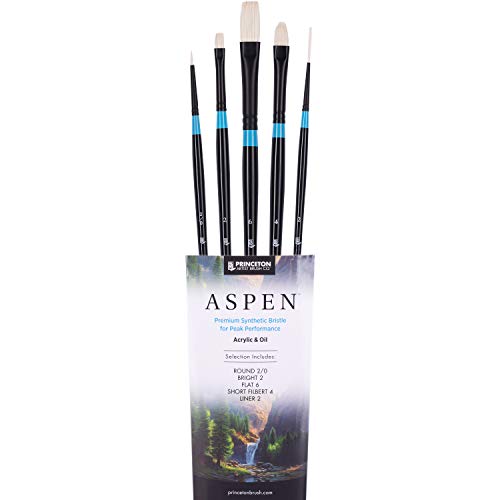
Once primed, add a fresh coat using a roller or brush, depending on the texture you’re dealing with. For intricate designs, a brush allows for better control, while a roller works well for flat surfaces. Apply thin layers, allowing each to cure fully before proceeding, which ensures an even finish without unsightly drips or streaks.


After achieving the desired shade, sealing your work with a protective topcoat is vital. This not only increases durability but adds a polished look. Consider the type of sheen based on your aesthetic preference; a matte finish can create a contemporary vibe, while a glossy layer delivers a classic touch.
Finally, reassemble any hardware or fixtures you’ve removed, applying a new color here as well if necessary to unify the appearance. By taking these steps, the transformation of your darker item into something brighter and more inviting becomes an achievable and satisfying project.
Transforming Dark Pieces to Brighter Hues
For optimal results, I always select a high-quality primer designed for contrasting shades. This initial step dramatically improves adhesion and reduces the number of topcoats needed.
Using a roller with a fine nap helps achieve a smooth finish, while a brush can reach intricate details. I find that applying thin, even layers enables better coverage and minimizes drips.
Before I begin, I meticulously clean the surfaces to eliminate dust and grease, enhancing the primer’s effectiveness. Allowing adequate drying time between coats is crucial; I usually wait at least 24 hours before applying subsequent layers.
When choosing a final coloration, I gravitate towards soft pastels or neutral tones, as they resonate well with diverse interior styles. A satin or semi-gloss finish not only offers visual appeal but also simplifies maintenance.
To protect my newly modified piece, I apply a clear sealant. This extra step ensures longevity and preserves the fresh look for an extended period.
Experimenting with distressing techniques post-painting adds character, revealing dark undertones subtly. I find this method particularly appealing for rustic designs.
Lastly, proper ventilation throughout the process is paramount. Good airflow guarantees quick drying and minimizes any lingering odors.
Selecting the Right Paint Type for Furniture
For transforming the appearance of your pieces, I recommend using acrylic or chalk-based formulations. These types adhere well and provide a desirable finish that can mimic a vintage or modern look.
Acrylic Paint
- Water-based, making cleanup easy with soap and water.
- Fast-drying, allowing for quicker application of multiple coats.
- Durable once cured, resistant to fading and chipping.
- Available in a wide range of colors, offering versatility in design.
Chalk-Based Paint
- Provides a matte finish that gives a rustic or shabby chic effect.
- No primer usually required, which can save time.
- Can be distressed easily for a vintage appearance.
- After applying a protective topcoat, it becomes water-resistant.
Choosing between these depends on your desired aesthetic and the final texture. Test both on a small area to determine which suits your style best.
Prep Work: Cleaning and Sanding the Surface
Thoroughly clean the surface to eliminate any dust, grease, or furniture polish residue. I use a mixture of warm water and mild soap with a soft cloth, ensuring all areas are covered. Rinse and dry with a lint-free towel to avoid streaks. Once it’s clean, let it air dry completely before proceeding.
Sanding the Surface
Sanding is vital for creating a uniform texture. I prefer using a medium-grit sandpaper (around 120-grit) to remove the existing finish and create a good bonding surface for the new coating. It’s beneficial to sand in the direction of the grain to avoid scratches. After sanding, I wipe down the surface with a damp cloth to remove all dust particles.
Checking for Imperfections
Inspect the area for any dents or imperfections after sanding. Filling these with a wood filler helps achieve an even finish. Once applied, I smooth the filled areas with fine-grit sandpaper (around 220-grit) before cleaning the surface again. This step ensures a smooth and flawless application in the next stages.
Choosing the Best Primer for Dark Furniture
Select a high-quality primer that offers excellent adhesion and coverage. Shellac-based or stain-blocking primers are ideal for this task, as they effectively seal the surface and prevent the underlying color from bleeding through. Look for a primer labeled as “bonding,” which enhances adhesion to various materials.
Water-based primers can work effectively as well, but may require additional coats if the original shade is very deep. Check for quick-drying formulas, allowing for faster project completion.
| Primer Type | Best For | Notes |
|---|---|---|
| Shellac-Based | Strong coverage and sealing | Fast drying, excellent adhesion |
| Stain-Blocking | Prevent color bleed | Great for deeply pigmented surfaces |
| Water-Based | Light and easy cleanup | May require multiple coats on dark hues |
| Oil-Based | Durability and blocking stains | Longer drying time, strong odor |
Test the primer on a hidden area to ensure compatibility and coverage before proceeding. This small step helps avoid any unpleasant surprises later in your project.
Applying the First Coat: Tips for Even Coverage
For optimal results, I recommend using a high-quality synthetic brush or a foam roller to apply the initial layer. These tools help achieve a smooth application, minimizing streaks and unevenness. Load the brush or roller with an appropriate amount of product; too much can lead to drips, while too little may leave bare spots.
Begin in a less visible area to practice your technique. This allows for adjustment before moving to the main surfaces. I find it best to work in sections, applying paint with long, even strokes. Overlapping slightly with each stroke ensures thorough coverage and prevents missed areas.
Maintain a wet edge during application. This means overlapping the previously painted area while it’s still wet. This technique helps fuse the layers together, reducing the appearance of brush marks or roller texture. If I notice any bubbles or imperfections, I smooth them out immediately while the coating is still soft.
Pay attention to corners and edges, as these spots often require extra care. I typically use the tip of the brush to carefully dab paint into these areas, ensuring consistent coverage without overloading the surface. This method realizes a more polished finish.
After completing the first coat, allow sufficient drying time as indicated on the product label. Inspect the surface closely for areas needing additional attention, and address them before applying the next layer.
Drying Time: How Long to Wait Between Coats
I typically allow a minimum of two to four hours between each layer for optimal results. This time can vary based on the type of materials I’m working with and the humidity levels in the room. It’s crucial to follow the manufacturer’s instructions for the specific product being applied.
I pay close attention to how the surface feels before proceeding. If it’s still tacky or slightly cool to the touch, I wait longer. Optimal conditions like proper ventilation can help expedite the drying process, while high humidity may require additional waiting time.
If I’m using a water-based finish, I usually find that two hours is sufficient for a touch dry, but I prefer to wait four hours to ensure a firm cure before adding the next coat. Oil-based finishes might need even longer–up to 24 hours in some cases–so I always check the guidelines.
Layering too quickly can lead to issues such as peeling or uneven texture, so patience pays off. I always have a fan or open window to enhance airflow and speed up drying when necessary.
In the end, I trust my instincts and experience to determine the right timing for each step, ensuring a smoother and more polished final appearance.
Choosing the Right Finish: Matte vs. Glossy
For transforming surfaces, the choice of finish significantly impacts the final appearance. Matte and glossy finishes serve different aesthetics and functional needs.
Matte Finish
- Offering a soft, understated look, matte is excellent for creating a warm atmosphere.
- It effectively hides imperfections and surface flaws, making it ideal for previously worn items.
- Drying time tends to be shorter, allowing for quicker project completion.
- However, it requires more care, as cleaning can be challenging; dirt and fingerprints may be noticeable.
Glossy Finish
- This option creates a bright, reflective surface that can enhance color vibrancy.
- Glossy finishes are easier to clean and more resistant to stains, making them practical for high-use pieces.
- They accentuate details and can add a modern touch to the look.
- Keep in mind that glossy surfaces can show imperfections more readily, so proper preparation is crucial.
In summary, consider the desired ambiance and practical usage of the item. For a contemporary feel with easy maintenance, choose a glossy finish. For a cozy, sophisticated look with character, a matte finish is your best bet.
Sealing and Protecting Your Painted Furniture
Apply a high-quality topcoat to enhance durability and safeguard the surface against wear and stains. I recommend using a water-based polyurethane for ease of application and fast drying time. Use a foam brush for an even layer and minimize bubbles. Be sure to cover all areas, including edges and corners.
Choosing the Right Sealant
Opt for a sealant that suits your intended use. For surfaces that receive regular contact, like tabletops, select a product that offers higher scratch resistance. For a more natural look, consider a satin finish, which provides protection without an overly glossy appearance.
Application Tips
After the initial coat has dried, sand lightly with fine-grit sandpaper to ensure good adhesion of subsequent layers. Wipe away any dust and apply a second coat of sealant for added protection. Allow adequate time for curing according to the product instructions to achieve the best results.
Maintaining Your Light Furniture After Painting
Regular dusting with a soft, dry cloth helps keep the surface clean. For deeper cleaning, mix mild soap with water and dampen a cloth, then wipe gently to avoid damage. Always follow up with a dry cloth to remove moisture.
To prevent scratches or scuffs, I use coasters and placemats under items placed on the surface. This is especially important for anything heavy or sharp.
Direct sunlight can fade finishes, so I position the pieces away from harsh light sources. If possible, I employ curtains or UV-filtering window film to protect the surfaces.
Occasionally, I apply a furniture polish or conditioning product recommended for the specific finish I’ve used. This adds a layer of protection and can enhance the appearance.
Inspect the surfaces regularly for signs of wear, and touch up any areas showing damage to maintain the overall look. Quick action at the first sign of wear can prevent larger issues.


